Portuguese
  Spanish


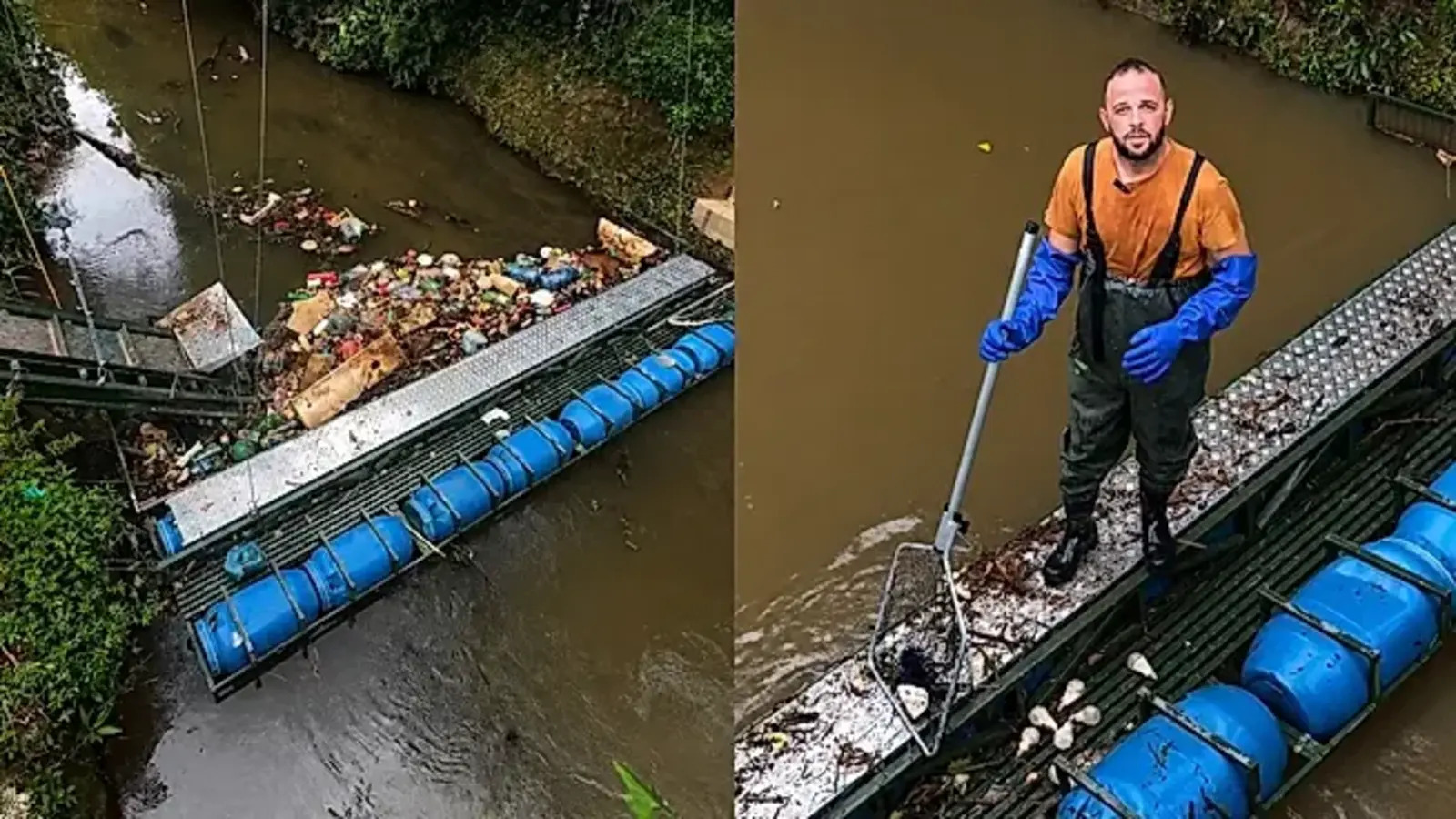

Created over 10 years ago in the backyard, in Colombo, Diego Saldanha’s ecobarrier holds back waste in the Atuba River, directs trash for proper disposal, and inspired projects in other states
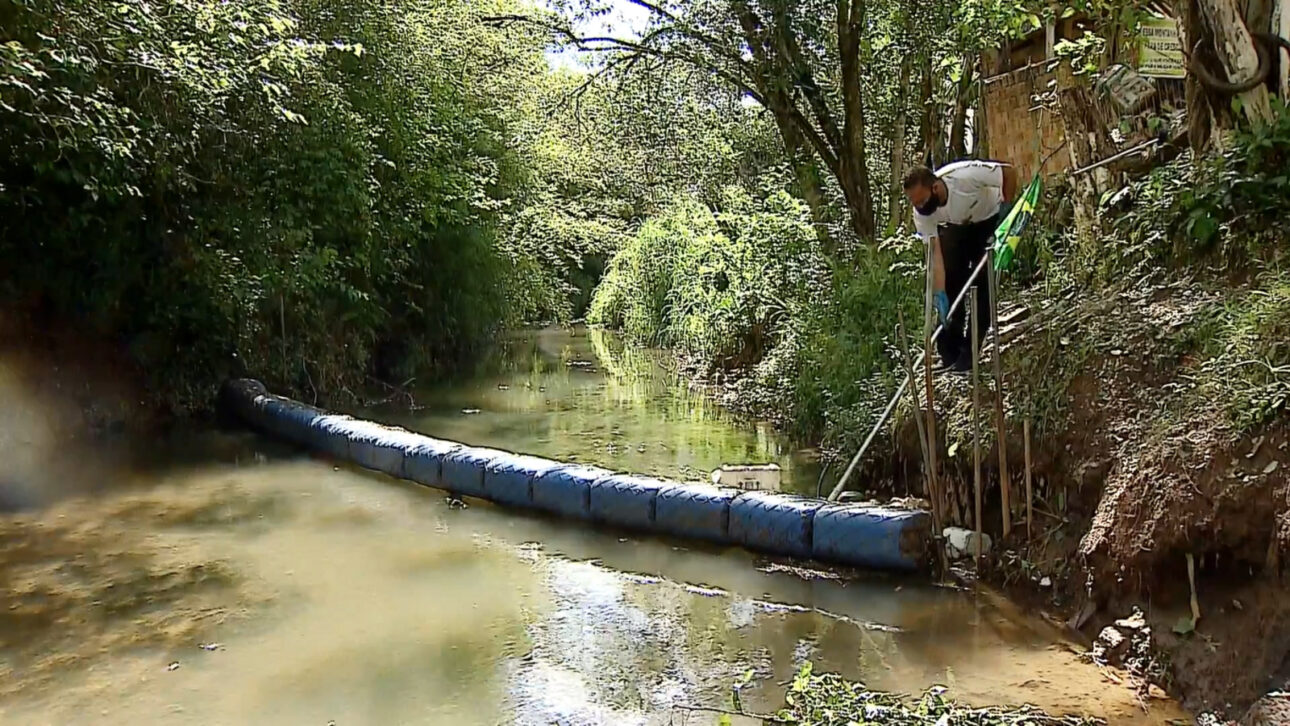
More than 40 tons of trash have already been removed from the Atuba River, in Colombo, in the Metropolitan Region of Curitiba, thanks to the ecobarrier created by environmental activist Diego Saldanha. The system, developed over 10 years ago, prevents waste from flowing down the river and helps reduce environmental damage.


Ecobarrier was born in the backyard, in Colombo
The initiative began after Diego Saldanha repeatedly saw kilos of trash flowing down the Atuba River, which runs behind his house. Faced with the scene, he decided to find a simple way to block the waste.
A self-employed fruit vendor, Diego researched alternatives until he came up with the idea of the floating ecobarrier. According to him, the system does not interfere with aquatic life and works to retain the trash that should never be in the river.
-
Farmer Revives Arid, Abandoned Land in Brazil’s Bahia into Thriving Forest, Demonstrates How ‘Syntropic Agriculture’ Can Transform Rural Futures

-
Study Reveals 40% of Brazilians Unaware of Circular Economy, Highlighting Challenges in Sustainable Transition and Recycling Expansion
-
Brazilian Startup Converts Rain into Potable Water Without Chemicals, Surpasses 10 Million Liters, Joins $1.2 Million Project to Bring Simple Technology to Drought-Stricken Areas in Northeast Brazil
-
Brazilian Company Innovates with Treated Water Billing Model, Surpassing 10 Billion Liters and Offering Up to 40% Savings for Large Industries
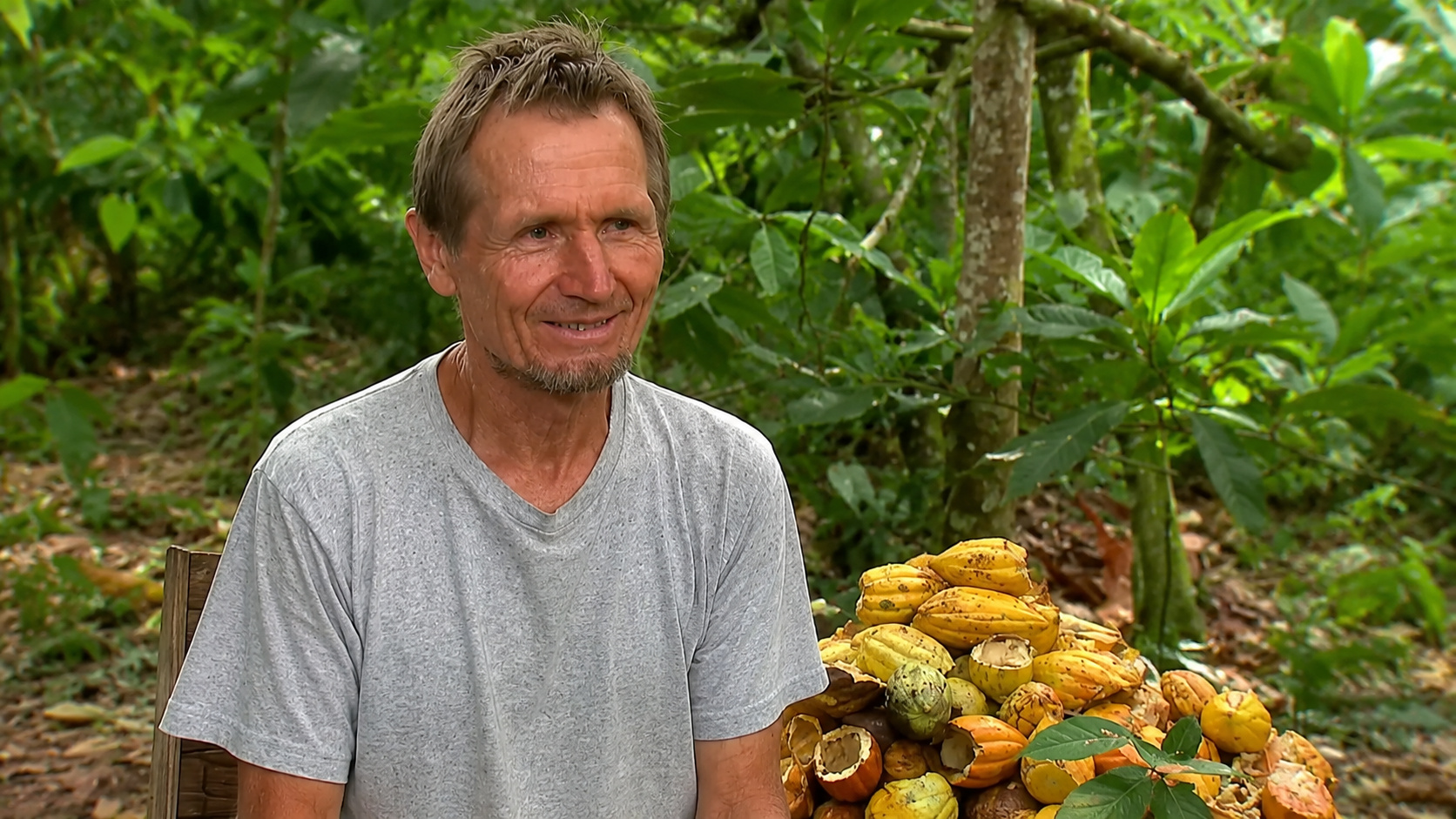

The motivation also came from a promise made to his children. Diego used to tell them that when he was younger, he could swim in the river, at a time when the water was cleaner and part of his childhood memories.
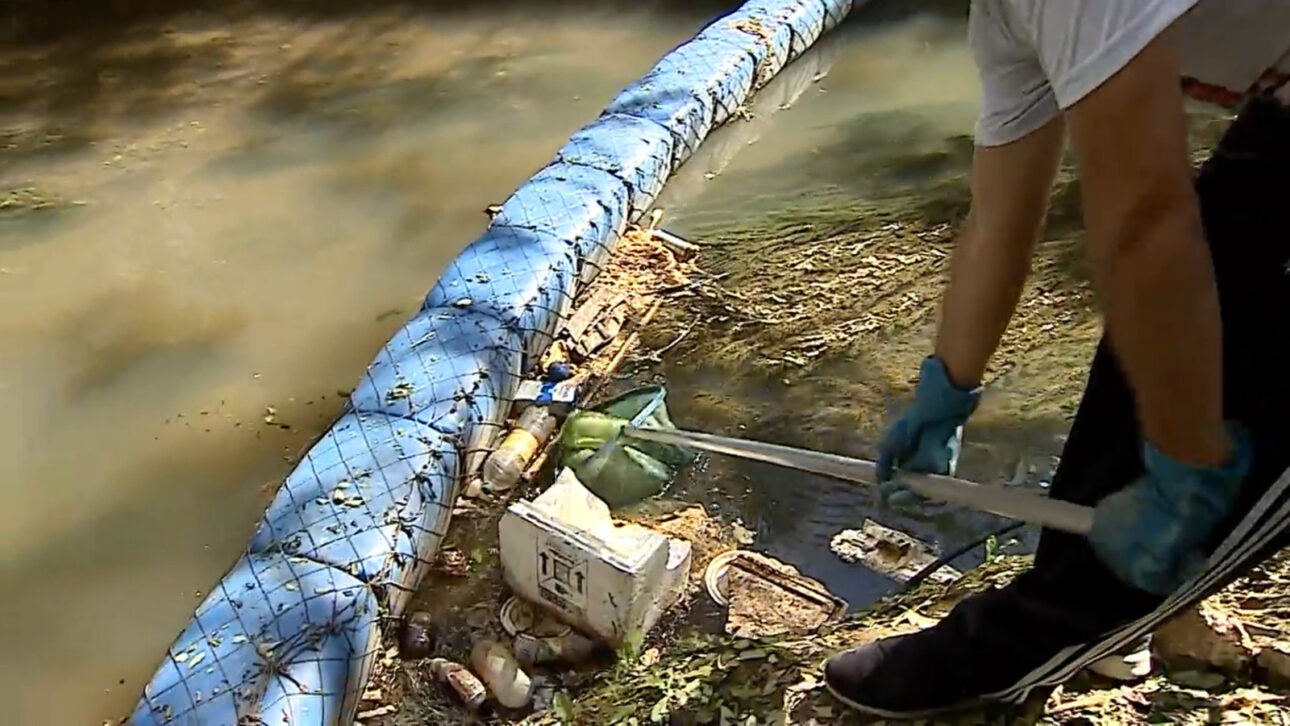
More than 40 tons of waste have stopped flowing down the river
Since the creation of the ecobarrier, more than 40 tons of trash have been removed from the Atuba River. The collected waste is directed to recycling projects or for proper disposal.
In practice, the system prevents improperly discarded materials from continuing to be carried by the water. As a result, the trash no longer reaches other parts of nature and reduces environmental impacts.
The solution stands out for being simple, cheap, and possible for Diego to maintain during his free time. The work, which started as a local response to the problem, gained visibility due to the volume of waste removed.
Idea was replicated in other states of Brazil
The ecobarrier created by Diego also began to inspire actions outside of Paraná. Some states have already replicated the idea, including Pará, which hosted COP30 in 2025.
Diego traveled to the state to assist in the installation of two structures: one in Benevides and another in Belém, the host city of the climate event. In Pará, the project began to be maintained by the public authorities, responsible for removing the accumulated waste.
For Diego, seeing a solution created in his backyard being applied in other regions of the country shows how an individual action can serve as an example for larger environmental actions.
Irregular disposal can result in fines starting at R$ 5,000
Diego also uses the profile @ecobarreiradiegosaldanha on Instagram to showcase the work done in the river and guide the population on the correct disposal of bulky waste.
In one post, upon finding a mattress, he contacted the Secretary of the Environment to request the proper removal of the material. The guidance is for citizens to seek the service responsible for collecting this type of waste.
Items like mattresses, sofas, furniture, and appliances can end up in rivers, streams, vacant lots, and green areas when disposed of irregularly. According to the alert mentioned in the material, the fine for this type of infraction can start at R$ 5,000.
This article was prepared based on the information provided in the source material about Diego Saldanha and the ecobarrier of the Atuba river, with data, numbers, and statements preserved as per the consulted material.