






 Portuguese
  Spanish


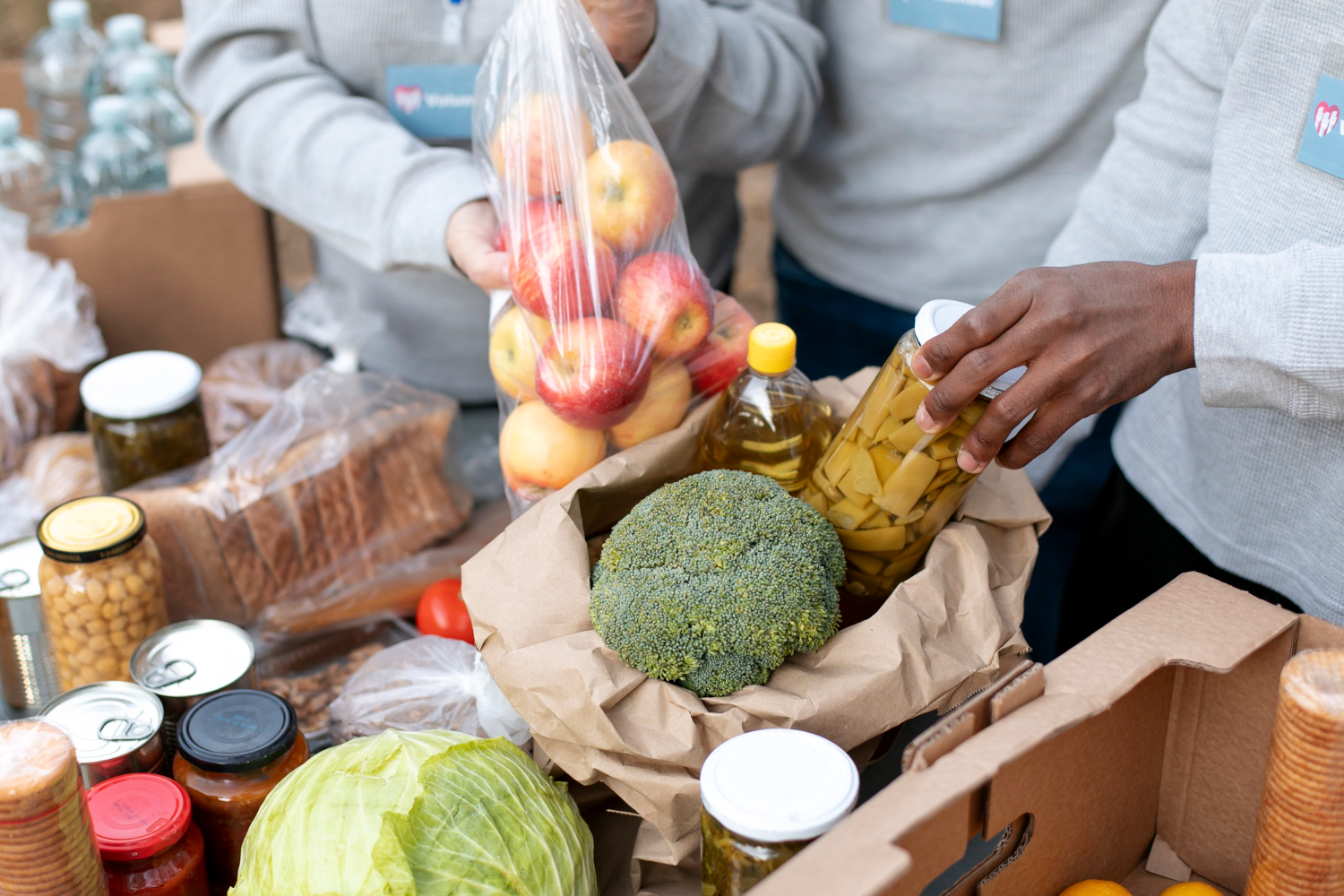

In Pará, Agribusiness Seminar Highlighted How the Food Acquisition Program Drives Family Farming with Technical Support from Conab and Incentive for Simultaneous Donation
The Food Acquisition Program stood out at the Agribusiness Seminar held in Dom Eliseu (PA), bringing together around 200 participants, including family farmers, representatives from associations, and public managers, according to a report published.
The meeting focused on clarifying doubts about accessing the program and explaining the criteria for price definition, a key point for those looking to expand the marketing of local production.
The National Supply Company (Conab) was invited by the city hall to conduct the main lecture, detailing the Simultaneous Donation Purchase (CDS) modality and the necessary steps for adherence to federal public policies aimed at the sector.
-
India’s Sugar Export Cuts and Ethanol Shift Amid El Niño Threat Could Impact Global Prices and Stocks

-
Quarantine Pest Threatening Palm Trees Puts Brazilian Authorities on Alert, Prompts Monitoring at University of Taubaté and Potential Control Measures Across São Paulo
-
Global Alert: Report Finds 159 Pesticides in Coffee Beans Sold in Europe, Posing Serious Risks to Millions of Farm Workers
-
Green Roofs on Homes Gain Popularity for Reducing Heat, Noise, and Rain Impact in Brazil



The central goal was to bring producers and institutions closer, strengthening the regional production chain and encouraging sustainable food security practices.
Conab Support Strengthens Access to the Food Acquisition Program
During the event, Eraldo Sousa, head of the Operations and Institutional Programs Department of Conab in Pará (Seopi/PA), presented the main guidelines of the Food Acquisition Program, highlighting its importance in marketing production and valuing family farming products.
He explained that the program allows farmers to sell directly to the government, with prices set fairly, stimulating the local economy.
According to Sousa, the municipality of Dom Eliseu maintains an ongoing partnership with Conab, closely monitoring the performance of the organizations involved in the initiative.
This collaboration ensures that more producers have access to the Simultaneous Donation Purchase, a mechanism that distributes food to social institutions, benefiting communities in vulnerable situations.
Simultaneous Donation Purchase Expands Sustainability and Local Market
The Simultaneous Donation Purchase modality was presented as an essential instrument to unite production and social responsibility.
Through it, food acquired from family farmers is directed to social assistance entities, schools, and food banks.
This practice ensures that fresh, local products reach those in need while generating income for small producers.
During the seminar, Conab technicians highlighted that price transparency and the monitoring of operations help strengthen the bond between farmers and federal public policies.
Thus, the Food Acquisition Program consolidates itself as a strategic tool for economic and social inclusion in the state of Pará.
Regional Agribusiness and Public Policies Drive Development in Pará
The Agribusiness Seminar in Dom Eliseu demonstrated how the integration between public power, Conab, and family farmers is fundamental for the sustainable growth of the region.
The dissemination of technical information and support for the formalization of cooperatives have allowed the expansion of sales through the Food Acquisition Program, which also promotes food security and waste reduction.
The presence of more than 200 participants highlights the growing interest in solutions that balance productivity and social responsibility.
Initiatives like this reinforce the role of family farming as a foundation for rural development in Pará and a model for other regions of the country.








