





 Portuguese
  English
  Spanish
  3 min of reading
  0 comments



Boost in Sales and Environmental Sustainability
The Brazilian automotive sector starts 2024 with a growth perspective of 6.2%, driven by Mover, a new government initiative that replaces Rota 2030. This strategic program from the Federal Government aims to promote the development of the automotive industry in Brazil, focusing on sustainability and innovation. According to Anfavea, the representative entity of automakers, this growth forecast is a direct response to Mover’s guidelines, which encourage the production of cleaner and more efficient technologies.
Mover: Strategies for a Greener Future
The Mover implements policies to decarbonize national vehicles, encouraging the use of biofuels and alternative energies. Denys Cabral, a specialist at Becomex and Head of Automotive Innovation, highlights that the program aims to promote new technologies and reduce carbon emissions. Becomex, with its extensive experience in the market and partnerships with various automakers, emphasizes the importance of Mover in steering the sector toward more sustainable practices.
Tax Reduction and Fiscal Incentives
A crucial aspect of Mover is the implementation of the “Green IPI”, a fiscal strategy that benefits less polluting companies. The program promises incentives of up to R$ 19 billion over five years, reducing taxes for companies committed to research and development in sustainability. Becomex analyzes that this tax reduction will revitalize the market, create jobs, and stimulate the production of more eco-friendly cars.
-
Japan and Mercosur may reach an agreement to lower the cost of cars and auto parts, with manufacturers like Toyota, Honda, and Nissan coming into focus.

-
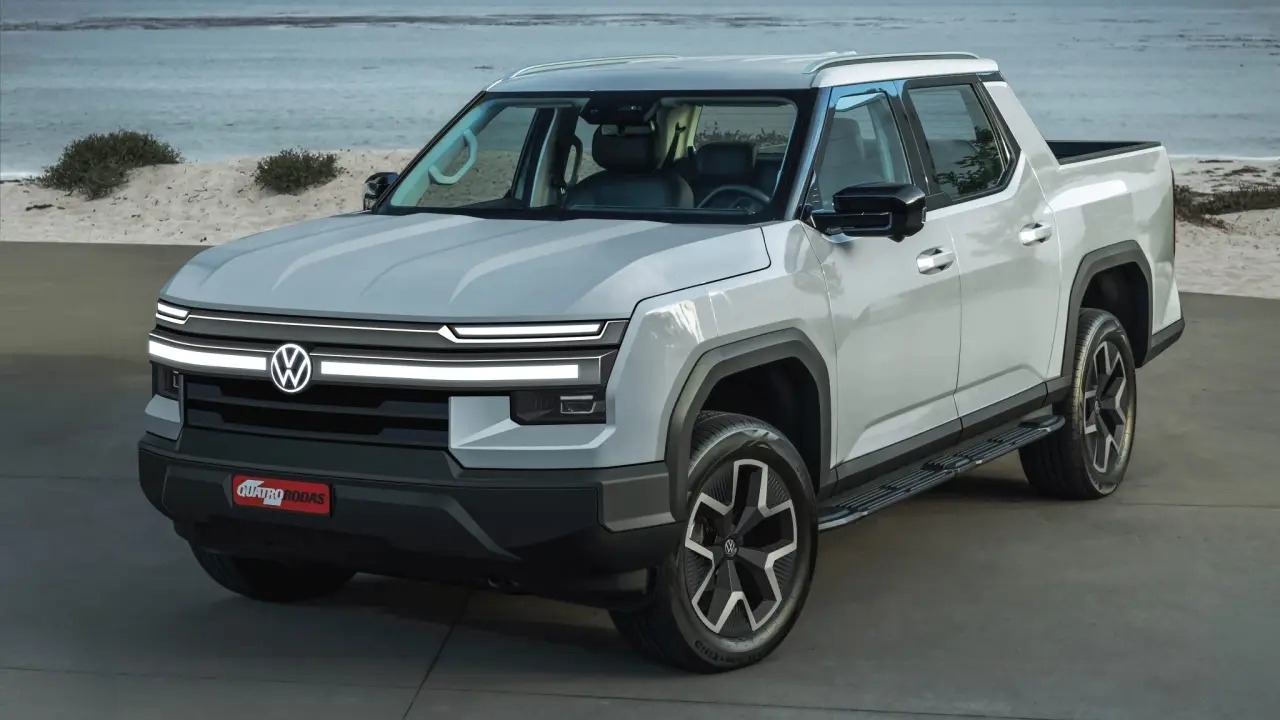
Volkswagen is preparing an SUV derived from the new Amarok to compete with the Toyota SW4 and Haval H9, utilize the Argentine Pacheco factory, and transform a pickup into a more profitable family of products.
-
Brazil gets its first ultra-fast 480 kW charger for electric cars, serving up to four vehicles at the same time and promising a charge from 10% to 80% in about 15 minutes.
-
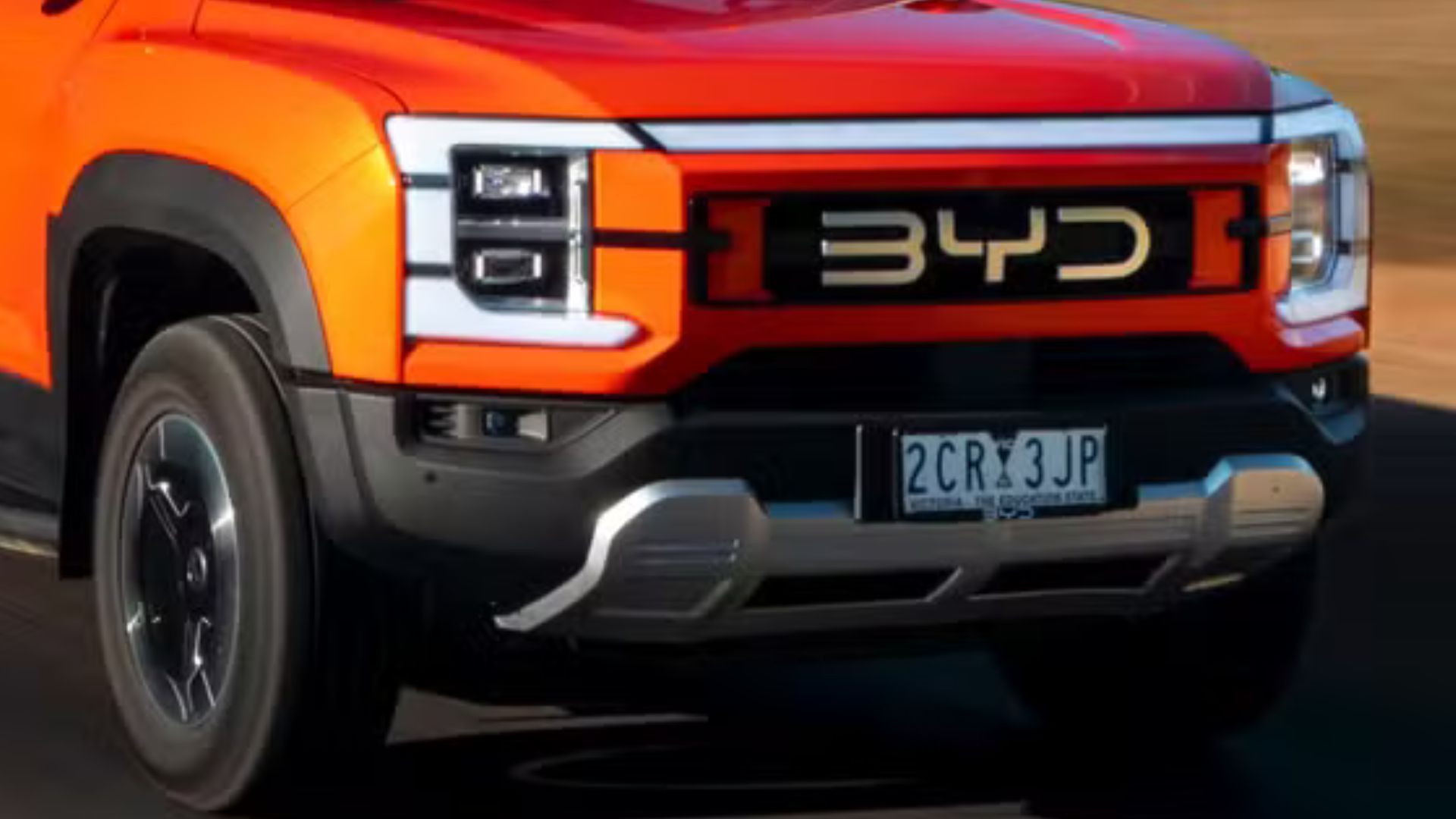
Forget the Toyota Hilux: with a 2.0 turbo engine and 475 hp, the new BYD Shark Performance tows 3,500 kg, accelerates in 5.5 seconds, and addresses historical criticism, but loses load capacity and surprises even medium pickup truck owners.



The Impact of Mover on the Automotive Industry
Mover sets an ambitious goal for the automotive chain to cut carbon emissions by half by 2030. This requires that the produced vehicles be more efficient, safe, and less polluting. Becomex plays a fundamental role in helping companies navigate the challenges posed by the program and maximize their benefits. Denys Cabral’s global experience, which includes stints at PSA and Stellantis and experiences in Argentina and France, is a valuable asset in interpreting and applying Mover’s regulations.
International Benefits and Expectations for 2024
The program not only focuses on the domestic market but also offers advantages for international companies that relocate their operations to Brazil. Through Mover, these companies can obtain financial credits equivalent to import taxes, as well as tax benefits on exports of products manufactured in the country. For 2024, incentives are projected at R$ 3.5 billion, with expectations of an increase to R$ 4.1 billion by 2028. Compared to Rota 2030, where the average annual incentive was R$ 1.7 billion, Mover marks a significant advancement in efforts to stimulate the automotive industry.
Adequate Goals and Future of Mobility
The Mover establishes challenging targets for companies in the automotive sector, aiming for a 50% reduction in carbon emissions by 2030. This goal reflects a deep commitment to producing more efficient and environmentally responsible vehicles. The program emphasizes the importance of more economical, safe, and less environmentally impactful vehicles, aligning the Brazilian automotive industry with global trends in sustainability and innovation.
The implementation of Mover represents an important milestone for the automotive sector in Brazil, placing it at the forefront of sustainability and technological innovation. With tax incentives, emission reduction targets, and encouragement for innovation, the program promises not only to invigorate the economy but also to position the country as a leader in developing a greener and more sustainable automotive industry.
Source: bruna@bf3comunicacao.com.br.
| bruna@bf3comunicacao.com.br |




Be the first to react!