






 Portuguese
  Spanish


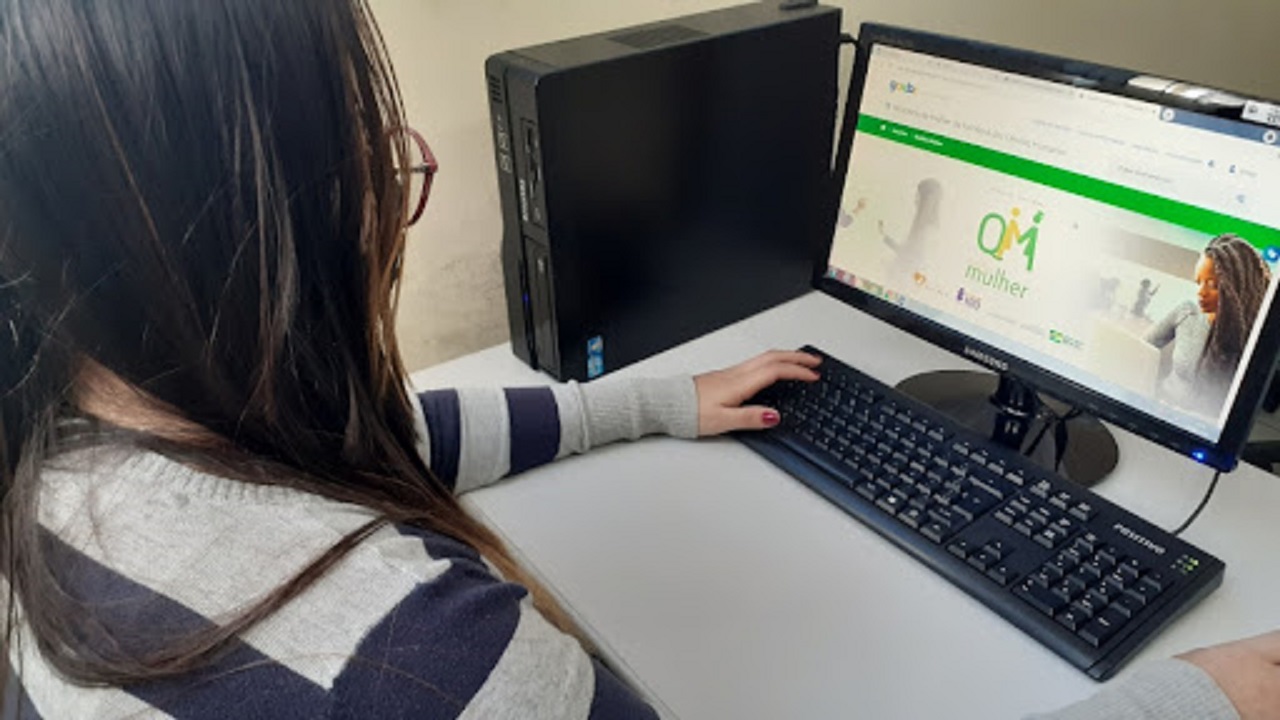

The Qualifica Mulher Project Is Offering Thousands of Spots in Free EAD Courses in the Areas of Marketing, Entrepreneurship, Beauty, and Many Others. The Opportunities Are Aimed at Women Living in Rio de Janeiro with a Certificate of Completion at the End of the Chosen Course
The program aimed at women’s economic autonomy is offering free courses in Rio de Janeiro. The classes will be taught in the EAD format, and at the end, all participants will receive a certificate of completion. The Qualifica Mulher Project, which was created in partnership between the Ministry of Women, Human Rights, and Family and the Entrepreneurial Alliance, aims to enable Brazilian women to be financially independent.
Read Also
Find Out Which Free EAD Courses Are Being Offered in Rio de Janeiro
The residents of Rio de Janeiro will have the chance to take free EAD courses in financial education, digital marketing, entrepreneurship in times of crisis, and several others, all for free and with a certificate of completion at the end.
The classes will be in EAD format, and if the women do not have internet access to attend the classes, they may use one of the computers at the Casa da Mulher Carioca in Rio de Janeiro.
-
Surprising opportunity in the railway sector: MRS offers a free course for assistant train driver and shunter in Juiz de Fora with a R$ 1,600 scholarship, specialized training, and the chance to join one of the largest railway operators in Brazil.

-
It’s official: IFMS opens spots in free courses on artificial intelligence, drones, and app creation, expanding technological education in 2026 and preparing students for areas with high professional demand and accelerated digital transformation.
-
Senai launches an unprecedented program with Petrobras and opens 2,000 spots in free courses with recognized certification, a monthly allowance of R$ 600, and training for industrial professions that continue hiring across the country.

-
Petrobras and SENAI open 480 spots in free technical courses with a scholarship of up to R$ 858, meal allowance, and training in Mechanics, Welding, Metallurgy, and Industrial Automation to meet the growing demand of the industry and the oil and gas sector.


There are two available units in the state, located in Realengo, the Dinah Coutinho, at Rua Limites 1.349, and another in Madureira, the Tia Doca, located at Rua Julio Fragoso. See below for other available courses:
- Formalization for Women Entrepreneurs;
- Beauty Entrepreneurs;
- Craftsmanship and Sewing;
- How to Shine in Online Sales;
- How to Manage Your Business’s Finances.
Learn How to Register for EAD Opportunities with a Certificate
Those interested in the free courses in Rio de Janeiro should visit the website of the Entrepreneurial Alliance and select the desired opportunity to check all the details about the course with a certificate and other information, such as dates and workload.
To register, it is necessary to create an account on the site with Full Name, Email, CPF, Gender, Race, Date of Birth, Phone, Address, Country of Residence, Education, and sources of income, among other essential data.
Get to Know the Qualifica Mulher Project
According to the National Secretary for Women’s Policies, Cristiane Britto, the program aims to promote actions that encourage women’s economic autonomy to contribute to the social and economic development of the country.
The secretary also thanked and congratulated the initiative of Deputy Tia Ju, who brought the actions and projects of the SNPM to all corners of the country through Legislative Houses, Institutions, and municipal governments.
The expectation is to train and prepare as many women as possible. According to accountant and lawyer Paula Alves, who attended the launch event held in October this year and also acts as a volunteer in the project, the Qualifica Mulher is a project of significant positive impact on society, aimed at preparing women, especially the most disadvantaged, for the job market.
The opportunity to learn through free courses in the comfort of home or even in-person, aimed at women, will impact not only their lives but also their families, as the vast majority are providers for their households.








