Portuguese
  Spanish


Submarine Railway Tunnel Between Europe and Africa Advances With Bullet Trains at 250 km/h, Shortening Distances and Paving the Way for a New Era of Intercontinental Transportation With Unprecedented Economic, Logistical, and Technological Impact in the Modern World.
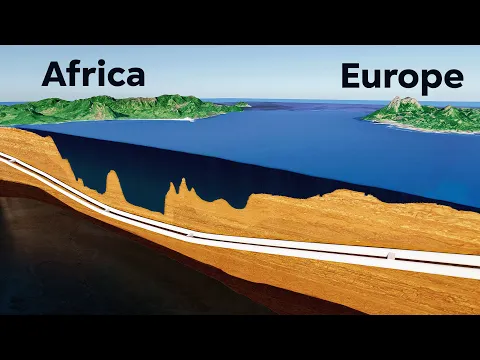
An ambitious infrastructure project promises to revolutionize the connection between Europe and Africa by proposing the construction of a high-speed submarine railway tunnel under the Strait of Gibraltar.
According to the latest studies, this billion-dollar project will have a length of between 28 and 30 kilometers and could reach depths of up to 475 meters below sea level, making it one of the most challenging submerged tunnels in the world.
According to engineers involved, the forecast is that the tunnel will be operational by around 2040, allowing bullet trains to travel at speeds between 200 and 250 km/h.
-
Brazilian Entrepreneur Sells $50,000 Monthly in Sustainable Luggage Made from Recycled Bottles, Eyes International Market

-
Brazil to Phase Out Gasoline Subsidy, Fuel Prices Set to Rise Amid National Debate

-
Venice Deploys 78 Massive Steel Gates to Shield City from Extreme Adriatic Tides

-
Brazil Aims to Boost Critical Mineral Production to 12.2% of Global Output, Targeting Battery and Tech Industries




This speed could drastically reduce travel time between cities such as Casablanca in Morocco and Madrid in Spain from over 12 hours to approximately 5 and a half hours.
The project includes the construction of two parallel tunnels exclusive for railway traffic, as well as a third tunnel intended for maintenance and safety services, ensuring continuous operation and greater efficiency.
According to experts, the tunnel could serve about 13 million passengers annually and also move a similar amount in tons of cargo.
This is expected to boost not only passenger transportation but also trade and logistics between the African and European continents, deepening economic and cultural ties.
Roots and Challenges of the Project
The idea of permanently linking the two continents through a fixed structure dates back to an agreement signed between Spain and Morocco in 1979.
Since then, the so-called Fixed Link of the Strait of Gibraltar has undergone numerous phases of technical, economic, and environmental studies, reflecting the complexity and impact of the undertaking.
The challenges for construction are considerable.
The local geology presents unstable and hard-to-drill soils, as well as a seismic risk that requires heightened care in engineering.
Advanced excavation technologies and modern ventilation, safety, and emergency evacuation systems are essential to ensure the viability and safety of the tunnel.
The estimated cost for the project varies between 6 and 15 billion euros, potentially exceeding 25 billion depending on the technical solutions adopted during construction.
Despite this, the governments involved keep the project active, aware of the transformative potential it represents for regional development.
The Global Context of Intercontinental Tunnels
The Gibraltar-Spain submarine tunnel is currently the most advanced project among the proposed intercontinental tunnels.
Other ideas, such as the Transatlantic Tunnel linking Europe and the United States, or the connection through the Bering Strait between Russia and Alaska, are still in early stages and face much greater technological and financial obstacles.
The construction of this tunnel will be an unprecedented engineering feat, capable of generating thousands of jobs during its execution and strengthening economic and tourist integration between the two continents.
Furthermore, the environmental impact, carefully assessed, will be monitored to minimize damage to the marine ecosystem and ensure the sustainability of the project.

Impacts on Mobility and Economy With the New Tunnel
Experts emphasize that the bullet train, by drastically reducing travel time, could stimulate tourism and expand business opportunities between Europe and Africa.
The increase in mobility is also expected to benefit the local population, providing a fast and safe alternative for daily transportation, connecting important urban centers.
In the era of globalization, the tunnel under the Strait of Gibraltar emerges as a symbol of unity between two worlds, reinforcing the importance of international cooperation to tackle common challenges.
With an investment of billions of euros and the use of the most advanced technologies, the project promises to transform the landscape of intercontinental transportation.
Do you think projects of this magnitude can permanently change the way we travel between continents? What other economic and social impacts do you believe this fixed link could bring to Europe and Africa? Share your opinion!