Portuguese
  Spanish


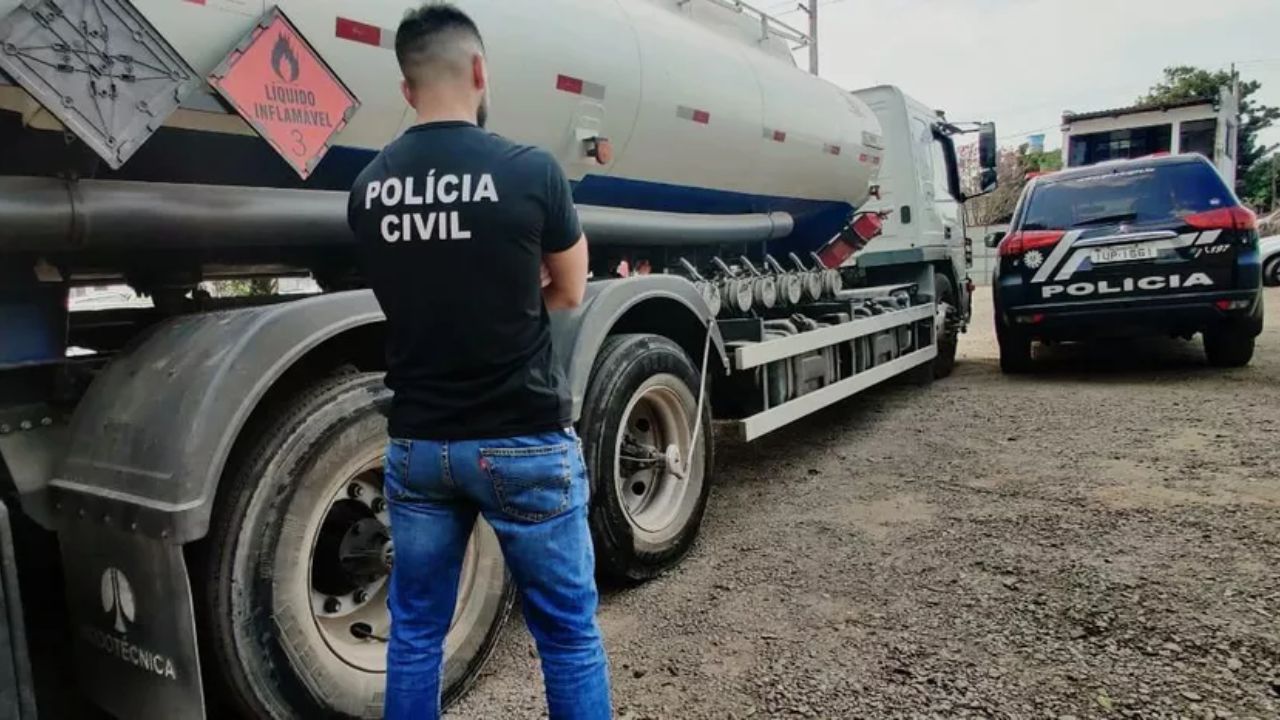


Bill Approved by the Chamber Increases Penalty for Fuel Theft and Robbery, with Prison Time of up to 16 Years. Use of Cameras Will Also Be Expanded in Oversight.
For cases of fuel theft, the Bill establishes a penalty of imprisonment from 4 to 10 years at the qualified level. When two or more people are involved, there is abuse of trust or a link to the company, a one-third increase applies.
If the theft results in the suspension of activities, pollution, or environmental risk, the penalty can increase by up to two-thirds.
Fuel Theft with Enhanced Penalty
The crime of fuel theft (when there is violence or serious threat) will also be treated as a qualified offense.
-
Unusual Traffic Signs in Brazil: Wheelbarrow Ban, Crosswind Warning, and Customs Stop

-
Are Companies Required to Release Employees During Brazil’s World Cup Matches? Understanding Workers’ Rights

-
Brazilian Family’s Homeschooling Success Sparks International Debate: Daughters Read 30 Books Annually and Speak Multiple Languages
-
Piauí Governor Enacts Law Requiring State Contractors to Reserve Jobs for Former Inmates with Minimum Wage and Verification Before Payment



The standard penalty for theft, between 4 and 10 years, will be increased to 1/3 to 1/2 when it involves fuel.
In the most serious cases — such as death, fire, or supply disruption — the increase can reach up to 2/3 of the base penalty.
Receiving Fuel: New Crime and Increased Penalty
The Bill includes new types of crimes against the economic order for those who receive, transport, store, or sell fuel that is known to be illegal.
In these cases, the expected penalty is imprisonment from 3 to 8 years plus a fine.
Even if the main perpetrator of the theft or robbery is unknown, those engaging in illegal trade will be held accountable.
How the Use of Cameras Relates to the Bill
The Bill provides that equipment such as surveillance cameras can assist in monitoring fuel facilities, pipelines, and storage areas, recording suspicious actions and supporting investigations.
This strategy primarily aims to facilitate the identification of offenders and enhance the security of vulnerable facilities.
Justifications for Increasing Penalties for Fuel Theft
The rapporteur highlighted that fuel theft or robbery poses environmental risks, contamination of water bodies, disruption of urban supply, and threats to public safety.
He warned that many of these crimes are executed amateurishly, increasing the danger of explosions and spills.
It is estimated that millions of liters of fuel are stolen daily from pipelines, aggravating economic and logistical damages.
Expected Impacts and Possible Criticisms
If it becomes law, the Bill could lead to greater rigor in combating the illegal fuel market and local economic instability.
It is also likely to encourage investment in security (such as cameras).
On the other hand, experts warn that simply increasing penalties may not solve the problem if there is no effective oversight and recovery structure.
Additionally, it is essential to ensure that the use of cameras and monitoring respects legal privacy guarantees and judicial procedures.
Next Steps in the Legislative Process
Now that it has been approved by the Chamber, the Bill goes to the Federal Senate for consideration. There, it may be amended or rejected.
It will only become applicable law with approval in the Senate and presidential sanction.
In the meantime, the debate revolves around the balance between stricter penalties, control mechanisms (such as cameras), and the necessity for oversight structure.
The Bill approved by the Chamber increases the penalty for crimes of theft, robbery, and receiving fuel, with additional qualifiers for cases of greater harm.
The use of cameras as a means of evidence appears as a strategy to strengthen prevention and oversight.
With these changes, the project aims to more effectively tackle crime in strategic sectors of the country, protecting the environment, the economic order, and public safety.