Portuguese
  Spanish


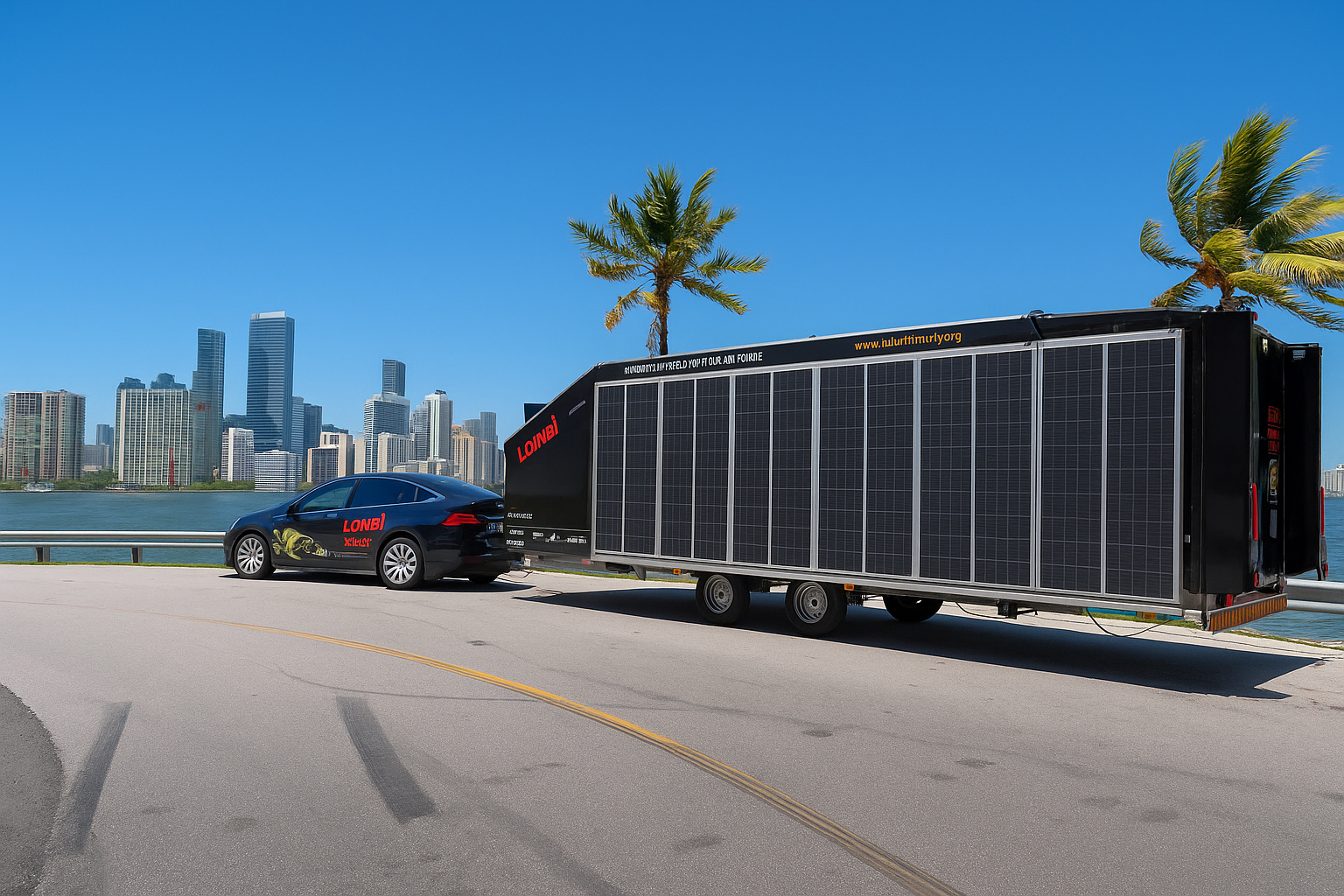

Meet the Solar Butterfly Project, the largest solar-powered vehicle in the world that inspires the transition to a more sustainable future.
The Solar Butterfly Project has stood out as one of the most inspiring initiatives in the fields of sustainability and technological innovation. Its arrival at the Federal University of Viçosa (UFV), from October 16 to 19, marks a symbolic moment of union between science, education, and environmental awareness. The event takes place in partnership with the UFV+Sustainable program, promoted by the institution’s Environmental Directorate.
The vehicle, which began its journey in Montevideo, Uruguay, is on a full tour around South America and is headed to Belém (PA), where COP 30, an international conference on climate change, will take place.
The Solar Journey and the Symbol of Transformation
The Solar Butterfly is not just a means of transportation; it is a true house on wheels powered exclusively by solar energy. Created to demonstrate that it is possible to travel and live self-sufficiently, the project combines clean technology, innovative design, and environmental awareness.
-
Solar energy can increase property value by up to 10% and become a selling point.

-
Solar and wind energy surpass natural gas for the first time in the world and accelerate energy revolution

-
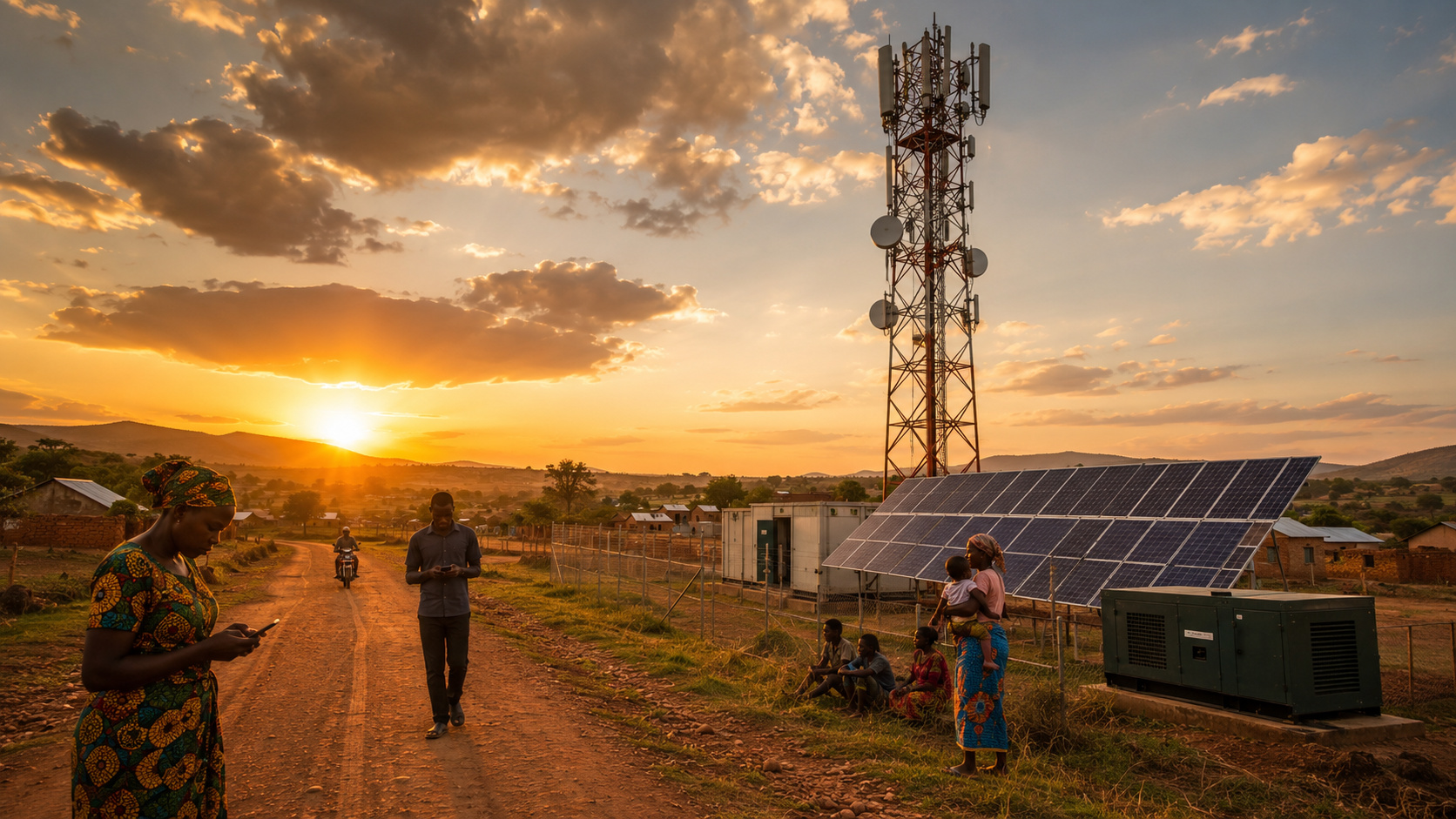
Africa has about 500,000 cell towers and most still burn diesel to operate, while companies rush to cover antennas with solar energy and avoid signal blackouts.
-
Farmers swapped diesel for solar panels in Pakistan, powered irrigation pumps almost cost-free, expanded rice fields, and now groundwater has become a red alert in the countryside.



With a shape reminiscent of a butterfly, the vehicle symbolizes the metamorphosis needed toward a greener and more balanced future. This metaphor reinforces the importance of individual and collective transformation in the face of the climate crisis.
Furthermore, the sustainable design of the Solar Butterfly draws attention for its retractable “wings,” equipped with solar panels covering up to 80 m². This structure allows the vehicle to generate enough energy to travel about 200 kilometers per day, without relying on fossil fuels and without emitting carbon.
The interior has been carefully designed to provide comfort and functionality, housing a kitchen, bathroom, and bedroom. The project shows that energy efficiency and well-being can go hand in hand.
Innovation and Recycling: A Model of Circular Economy
Another aspect that makes the Solar Butterfly Project so special is the use of recycled materials in its construction. Over 800 kilograms of PET bottles removed from the ocean were used, transforming waste into a robust and eco-friendly structure.
This gesture reinforces the concept of circular economy, in which resources are reused and reintegrated into the production cycle. Thus, the vehicle not only demonstrates the efficiency of solar energy but also serves as an example of intelligent material reuse.
In addition to technology, the project represents a dialogue between different fields of knowledge, such as engineering, architecture, environmental sciences, and social sciences. Each contributes to reflection on electric mobility, energy efficiency, and the role of innovation in the transition to a low-carbon economy.
A Legacy of Inspiration and Global Sustainability
Since its inception, the Solar Butterfly has traveled over 86 thousand kilometers in 44 countries, visiting universities, companies, and communities. Throughout this journey, it has collected sustainable solutions and disseminated knowledge about ecological practices applicable in different contexts.
During its visit to the Viçosa campus, the project offers a unique opportunity for students, teachers, and visitors. It is a chance to see up close a concrete example of environmental innovation applied to everyday life.
More than just an event, the gathering is a call to action. It encourages the public to rethink their habits and adopt sustainable solutions on both small and large scales. Thus, the exchange of experiences between the project and the academic community enhances awareness of the importance of energy transition and global carbon emission reduction.
The Power of Solar Energy and the Sustainable Future
The story of the Solar Butterfly Project reflects the advancement of renewable energy worldwide. Solar energy, once seen as expensive and limited, has become a symbol of energy independence and sustainability.
In recent years, the cost of photovoltaic panels has dropped significantly, accelerating their widespread adoption. Countries like Brazil, with high solar incidence, have an immense potential for expanding this clean and inexhaustible source.
The arrival of the Solar Butterfly at UFV is also a recognition of the role of universities in promoting sustainable innovation. These spaces are living laboratories where theory and practice meet to transform ideas into real solutions.
The Educational and Inspirational Role of the Solar Butterfly
The project goes beyond demonstrating technology: it educates and raises awareness. Each stop in a city or institution becomes a moment of collective learning.
At UFV, the presence of the vehicle will serve as a platform for dialogue on sustainability, bringing together students and researchers interested in discovering new ways to reduce environmental impact.
This experience reinforces the idea that sustainability is not just a theoretical concept but a practical and urgent action that depends on collaboration from all sectors of society.
Moreover, the Solar Butterfly helps to popularize science, showing in an accessible way how solar energy and recycled materials can integrate into modern life. This connection between innovation and everyday life is essential to stimulate more conscious behaviors and generate lasting positive impact.
A Message of Hope for the Future
The presence of the Solar Butterfly Project in Brazil, especially in Viçosa, symbolizes a message of hope in times of environmental challenges. It demonstrates that it is possible to live sustainably by combining technology, creativity, and responsibility.
As the world moves towards COP 30, events like this show that the transition to a cleaner future has already begun. The Solar Butterfly is, therefore, a symbol of change and inspiration, a reminder that every sustainable action contributes to the balance of the planet.
With its innovative design and educational proposal, the project becomes a bridge between science and society, showing that development can be inclusive, responsible, and renewable.
Thus, the Solar Butterfly not only travels roads but charts paths for a more conscious world, where solar energy and sustainability walk side by side in building a better future.