Portuguese
  Spanish


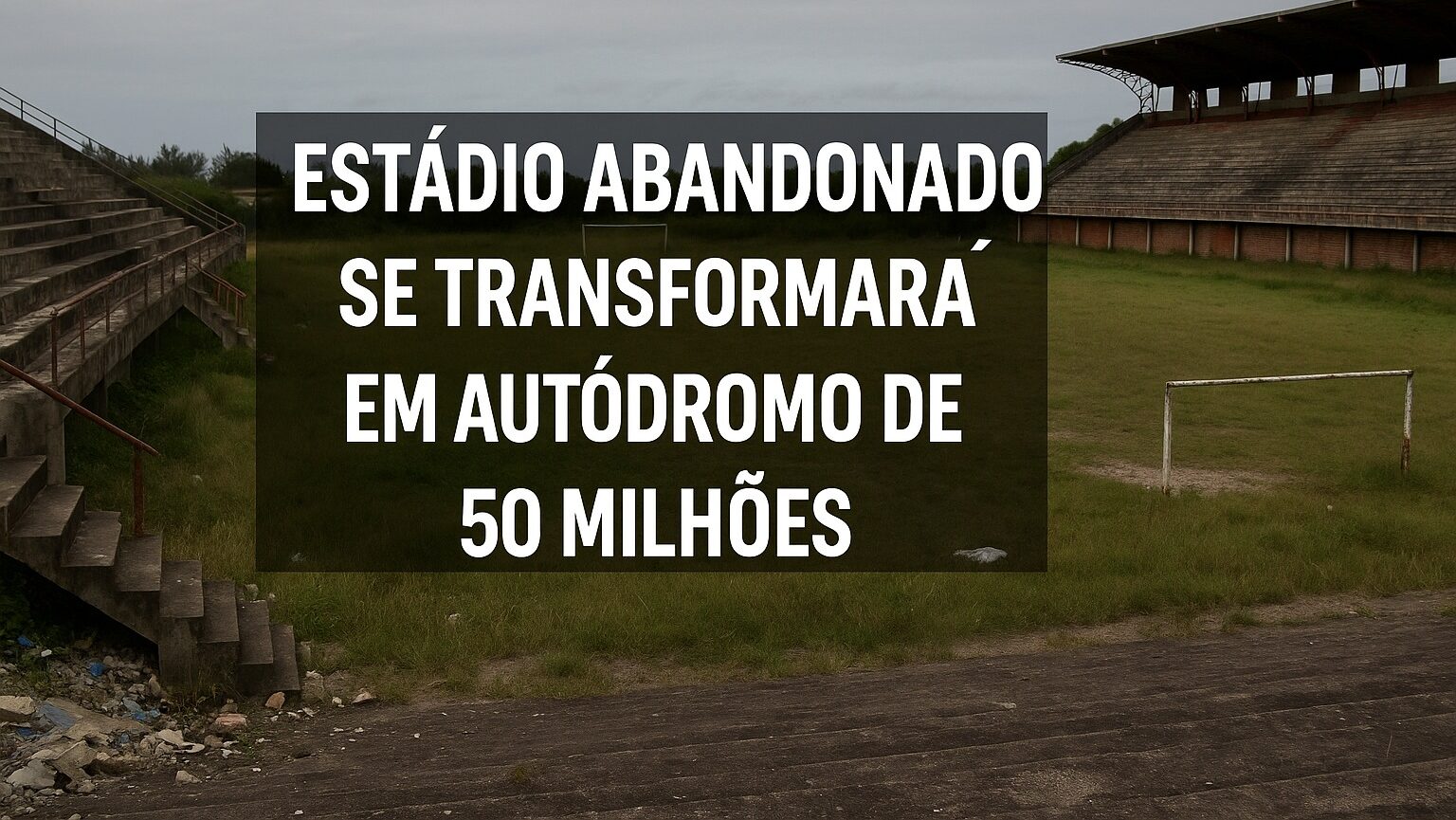


Built In The 1990s To Put Cidreira On The Football Map, The Sessinzão Turned Into Ruins And Debts. Now, A R$ 50 Million Raceway Project Emerges As The Last Chance For Change For The City
Between dunes and the quiet rhythm of a small town, Cidreira gained a work in the 1990s that promised to change its fate. The Antônio Braz Sessin Stadium, nicknamed Sessinzão, was inaugurated in 1996 with an investment of just over R$ 2 million.
The idea was to boost the local economy and put the city, 150 kilometers from Porto Alegre, on the football map.
The stadium had a capacity for 18 thousand people, a number higher than the current population, of just over 17 thousand inhabitants, according to the last Census.
-
Pizza Day highlights a curious contrast in Brazil: while 13 new pizzerias open every day, the price of mozzarella skyrockets, and the country’s most beloved dish weighs increasingly on family budgets.

-
It’s official: Petrobras takes 75% of block 3 in São Tomé and Príncipe and debuts as an offshore operator outside South America.

-
US$ 1.5 billion dam project on the Rio Indio promises water for the Panama Canal for 50 years, but it could flood rural areas and displace 2,000 residents from 38 farming communities.

-
At 14 years old, she worked in a factory in Hong Kong, studied economics abroad, and then entered the Chinese real estate market, which helped change the landscape of Beijing.



Even grand, the space never fulfilled the dreamed role.

Few Games And Rapid Decline
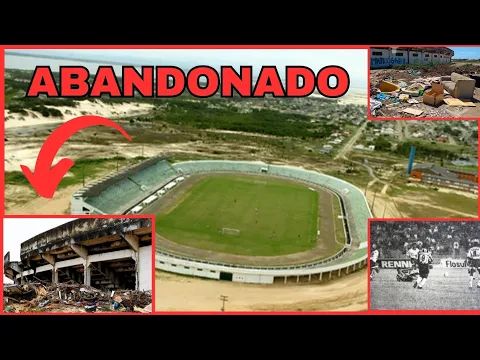
In nearly three decades of existence, the Sessinzão hosted only 19 official games, the last one in 2007. Shortly after, in 2010, the location was closed due to structural problems and lack of permits.
Without professional clubs in the city and without resources for maintenance, the stadium became a burden. What should have been a leisure space turned into ruins and debris.
The Portrait Of Abandonment
Those walking around find crumbling bleachers, invaded locker rooms, and stolen faucets.
On the field, what remains of life is a horse that has turned the grass into improvised pasture.
The caretaker who took care of the space passed away, and his ashes were scattered in the center of the field. Since then, neglect has increased. Today, the stadium is used by the population as a landfill area.
Debts And The Weight Of A “White Elephant”
The city hall estimates a debt of approximately R$ 10 million, adding unpaid works, renovations from 2006, and overdue energy bills.
The high cost makes any attempt at revitalization or demolition unfeasible.
Imploding and cleaning the area would require resources that could compromise funds for health and education. Therefore, the municipality keeps the space idle, a “white elephant” that causes embarrassment and challenges.
The Public Authority’s View
Mayor Beto do Litoral (AVANTE) acknowledges the difficulty. He states that the area is abandoned, surrounded by trash, but highlights the potential of the site.
According to him, with adequate investments, the space can become a “turning point” for Cidreira. Football is in the past, but the location can gain new life in another sporting activity.
Eloi Sessim And The Link To The Stadium
The person responsible for the project, Eloi Braz Sessim, passed away in August 2024, at the age of 75, due to heart complications. The stadium is named after his father, Antônio Braz Sessim.
Eloi was mayor of Cidreira between 1993 and 1996 and of Tramandaí in two other terms. Despite his political influence, he faced impeachment in 1997 over corruption allegations and was imprisoned for a hundred days.
Nevertheless, he remained active in politics. He attempted to return to the mayor’s office in Cidreira in 2024 but received only 520 votes and finished in third place.
The Proposal For The Transformation Of The Stadium
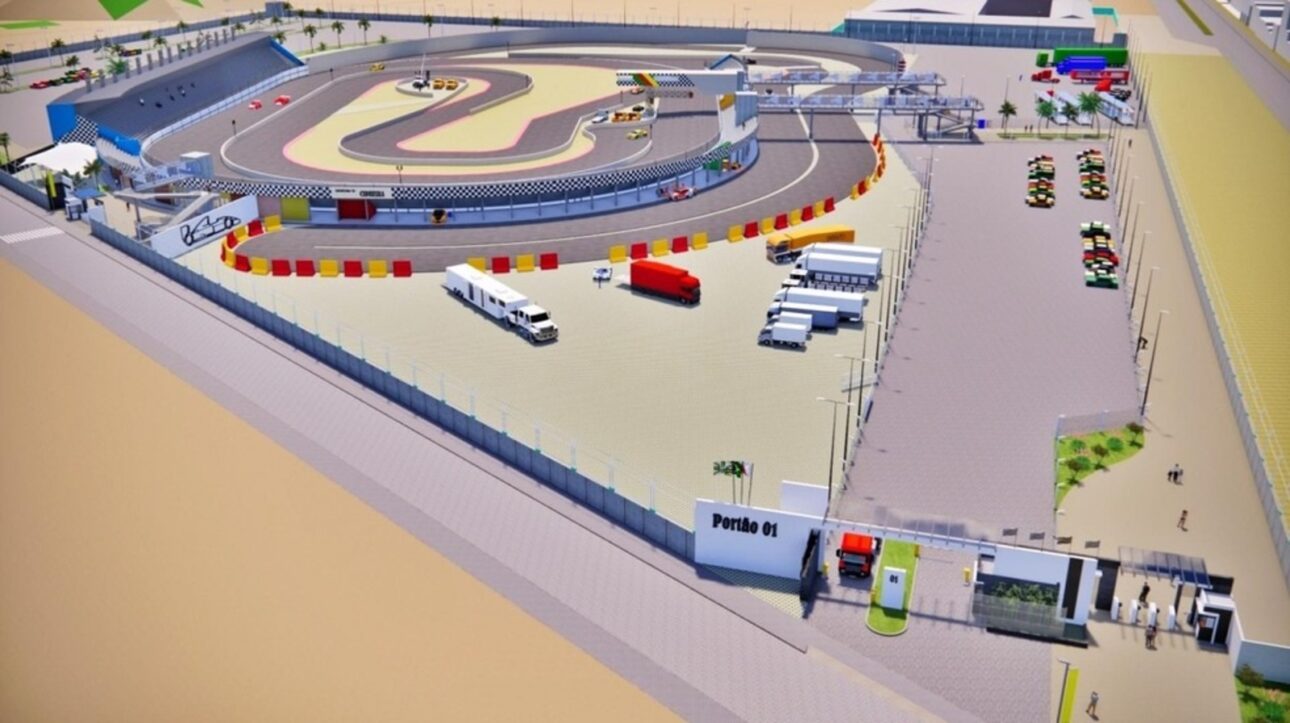
The possible salvation of the Sessinzão is far from football. A R$ 50 million project proposes to transform the stadium into a racetrack.
The Federação Gaúcha de Automobilismo (FGA) is expected to receive the space on a lease for 30 years. The idea is to build an oval track and a racing complex.
The project is in the final approval phase at the City Council.
According to the FGA, the work could take up to ten years, but it would positively impact the local economy, generating jobs and attracting tourists.
Federation Enthusiasm
Arlindo Signor, president of the FGA, believes in the project’s viability. He states that investors, state and federal government, and major national promoters have already shown interest.
Signor emphasizes that it would be the only oval circuit in Latin America, attracting major events and even international competitions.
The Dream Of Nascar
One of the greatest desires is to host a stage of the American Nascar, one of the most traditional categories in world motorsport.
According to Signor, there is dialogue with Nascar Brazil and interest from the parent company in the United States in holding races in the country.
Although it seems distant, this goal fuels the hopes of transforming the stadium into an international reference.
Million-Dollar Raceway: Last Effort
The project is seen as the last opportunity for the Sessinzão to cease being just ruins. If realized, it could transform the image of Cidreira, which has lived for years with a stadium larger than the town itself.
From a past of dreamed glories to the current ruins, the story of the Sessinzão now depends on a bold bet: exchanging the ball for the roar of engines.
With information from GE.