Portuguese
  Spanish


With 24 hours of production and approval from volunteers, students from Amazonas transform coffee grounds into exfoliating soap. Check out the formula and the results.
A field test conducted with 20 volunteers from the community of Barreirinha, in Amazonas, validated the effectiveness of a new sustainable cosmetic: an exfoliating soap produced entirely by local students. The sensory analysis, which evaluated criteria such as the creaminess of the foam, durability of the bar, and smoothness on the skin, revealed that more than 60% of the participants fully approved the product.
The unique aspect of the formula is the use of coffee grounds, an organic waste that, after preparing the beverage, is usually discarded, but has shown ideal properties for skin treatment. Under the supervision of Chemistry teacher Karliany de Souza Lima, the young researchers conducted theoretical and practical studies to ensure that the personal hygiene item had competitive quality.
The external acceptance served as proof that the science produced within public schools can result in viable and environmentally friendly market solutions.
-
Tourist Discovers Forgotten Joaquín Sorolla Painting Worth Up to 60,000 Euros While Strolling in Seville

-
Brazil’s Fernando de Noronha Boasts World’s Most Beautiful Beach, Accessible Only by Descending 208 Cliffside Steps and With No Food Vendors Allowed

-
Brazilian Startup Converts Tucumã Seeds into Bioplastic for Bicycle Pedals, Cups, and Construction Materials

-
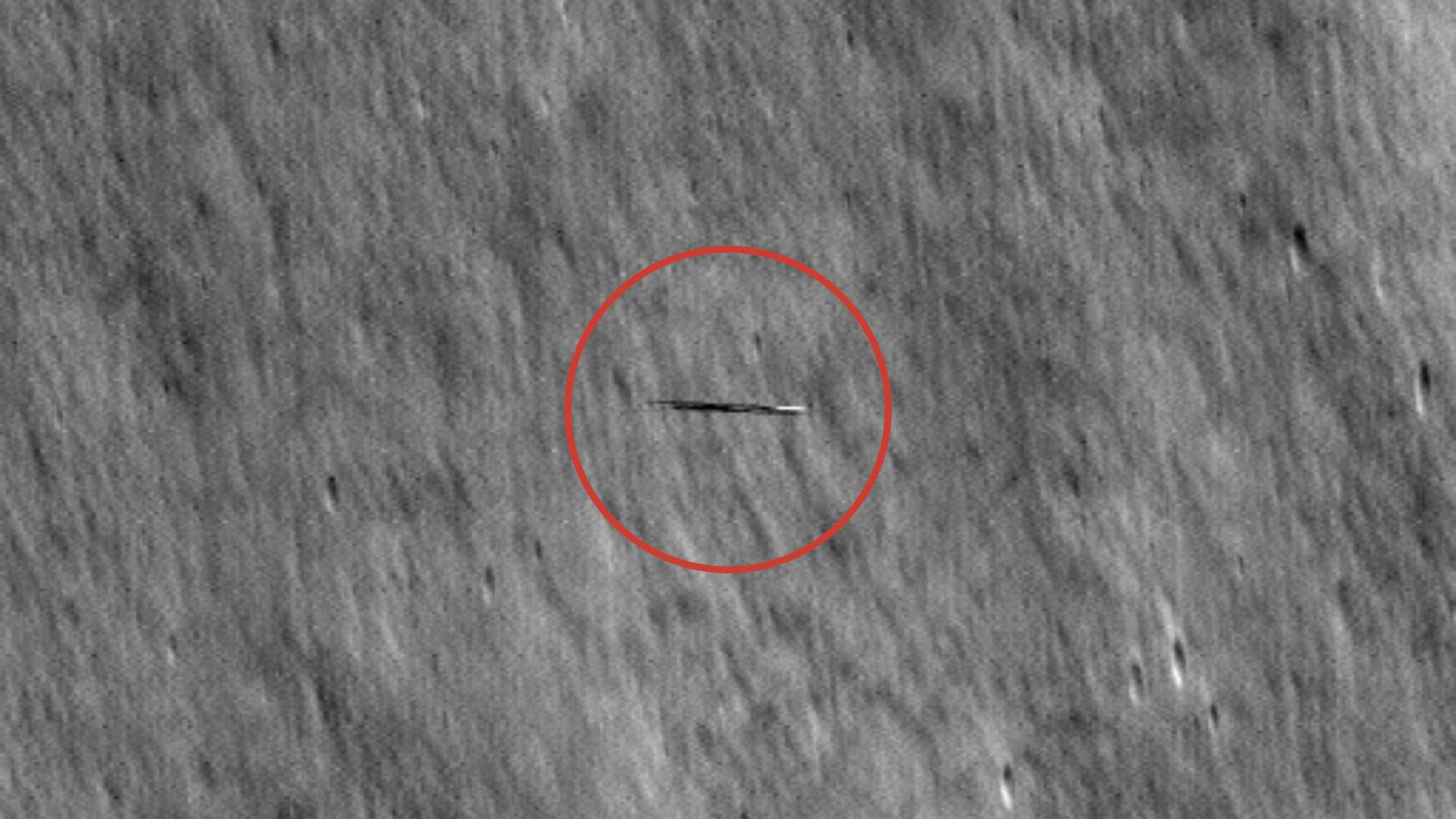
NASA Captures Rare Encounter of South Korean “Surfboard” Spacecraft Crossing Lunar Orbit at Over 11,000 km/h


Technical formulation and the reuse of coffee grounds
The production of the cosmetic was not just artisanal, but rather an applied chemistry experience that required precision. The students developed two variations of the product, exploring both domestic use and commercial potential.
The curing and finishing time of the soap was exactly 24 hours, the period necessary for the mixture of ingredients to achieve the desired hardness and texture for exfoliation.
To reach the final result, the team used a combination of chemical and natural components:
- Exfoliating agent: Reused coffee grounds (rich in antioxidants);
- Moisturizing base: Almond oil and liquid glycerin;
- Structure: Glycerin soap and pure glycerin base;
- Solvents and auxiliaries: Grain alcohol and lauryl (responsible for cleaning and foam).
According to the research, the choice of coffee grounds was justified by its chemical characteristics, which include anti-inflammatory and antitumor actions, as well as the ability to remove impurities from the skin through adsorption.
Scientific formation and socio-environmental impact
The trajectory of the project, titled “Production of Exfoliating Soap from the Reuse of Coffee Grounds,” reflects a movement of environmental awareness in Barreirinha. By transforming waste into raw material, the 3rd-year high school students from Prof.ª Maria Belém State School were encouraged to seek answers to ecological dilemmas in their own region. Meanwhile, the academic activity helped to form citizens more attentive to the preservation of nature.

In addition to the environmental impact, the initiative aimed to bring young people closer to technological careers. Support is crucial to connect young people with scientific careers, emphasizes coordinator Karliany Lima. Active participation in writing reports, recording explanatory videos, and conducting laboratory tests placed students as protagonists of their own learning, changing the traditional classroom dynamic.
Institutional Support and the Science in School Program
The success of this school research was made possible by the public notice no. 002/2024 of the Science in School Program (PCE). This public policy, maintained by the Foundation for Research Support of the State of Amazonas (Fapeam), is what allows innovative ideas from teachers and students to gain financial and structural support.
Thus, the State Government promotes a culture of innovation from basic education in various Amazonian cities. Therefore, the soap made from coffee grounds is more than a cosmetic; it is the symbol of an education that unites theory and practice. By decentralizing scientific research to the interior of the state, the program opens doors for new talents to emerge outside the major urban centers.
With information from Amazonas News Agency and Compre Rural