






 Portuguese
  Spanish


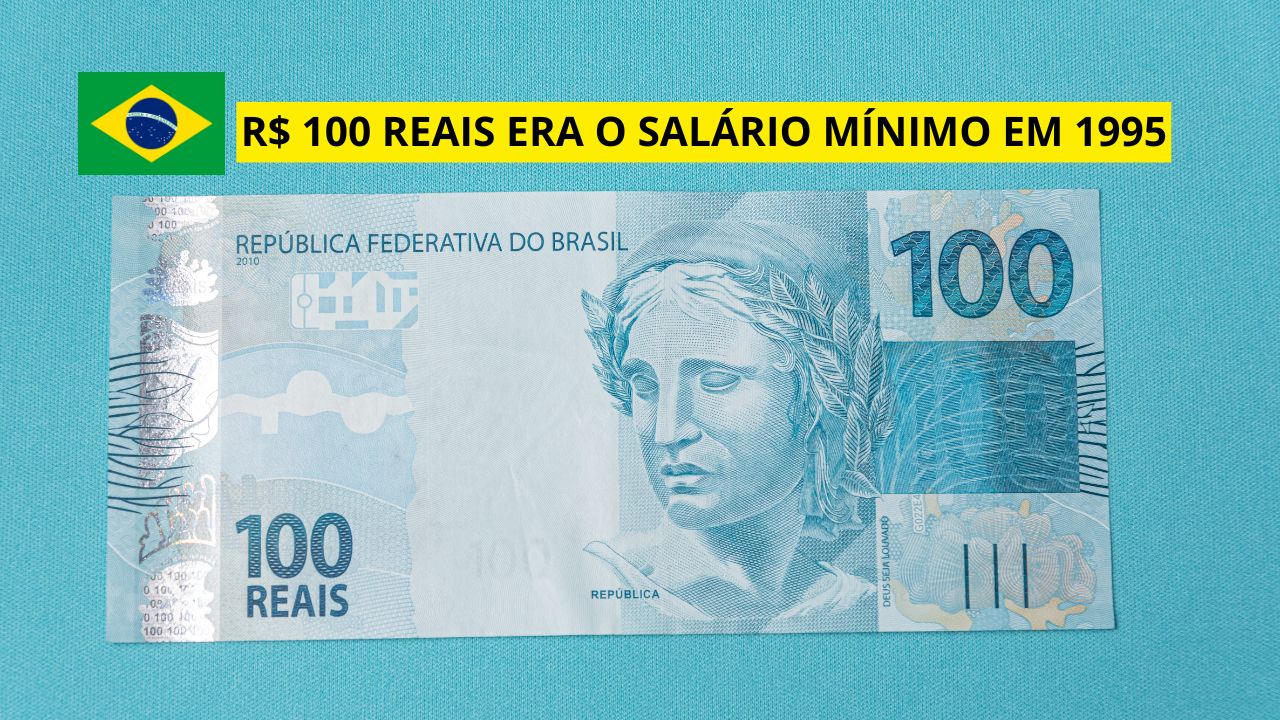

Discover What the Minimum Wage Was in 1995, How It Was Defined, and What Impact It Had on the Lives of Brazilians. Learn All About This Milestone in the Economy.
Have you ever stopped to think about what the minimum wage in Brazil was in 1995 and how it influenced the lives of workers at the time? On May 1, 1995, the minimum wage of R$ 100.00 came into effect, established by Ordinary Law No. 9,032/1995, with a real increase compared to the previous period.
This change came from the federal government, which aimed to adjust the purchasing power of workers in the face of high inflation that marked the early years of the Real Plan.
The corresponding value was R$ 3.33 per day and R$ 0.45 per hour according to the same law.
-
In the Caucasus Mountains, a Community Preserves a Language So Rare Few Outsiders Can Understand It

-
Slovakia’s Ice Cave Holds Over 110,000 m³ of Frozen Wonders, Boasts Walls Up to 27 Meters Thick, and Was Among the First Electrified Caves Globally

-
Street Cleaner Accidentally Receives $200,000 Transfer, Returns Unexpected Fortune to Rightful Owner
-
Australian Space Agency Investigates Six Mysterious Metal Spheres Found on Queensland Beach, Isolating Area Over Possible Space Debris Risk





Why Change the Minimum Wage: Economic Context of 1995
Since the creation of the Real in July 1994, Brazil has sought to stabilize the economy with inflation control.
In this context, the minimum wage was a central instrument of social policy and the enhancement of workers’ earnings.
By promoting this adjustment to R$ 100, the government sought to compensate for the loss of purchasing power that had occurred until then, as well as to respond to pressures for economic adjustments.
This increase was considered “real,” that is, above what was already expected to offset inflation.
Value from Other Years for Comparison: Evolution of the Minimum Wage
To understand how much R$ 100 in 1995 represented, see how the minimum wage behaved in the following years:
- In May 1996: R$ 112.00
- In May 1997: R$ 120.00
- In May 1998: R$ 130.00
- In May 1999: R$ 136.00
This trajectory highlights real and nominal increases over the years, with gradual values until reaching much higher levels in current times.
Legislation That Defined the Minimum Wage of 1995
The adjustment to R$ 100.00 was formalized by Ordinary Law No. 9,032/1995, enacted on April 28 of that year.
According to the legal text:
“On May 1, 1995 … the minimum wage will be raised to R$ 100.00 …”
Additionally, the law defined the corresponding daily and hourly values, extending the adjustment to social security benefits based on the minimum wage.
Social Impacts: Who Felt This Change the Most
For low-income workers, this increase represented a significant rise in earnings — especially in a scenario of still-active inflation.
Many families depended on the minimum wage as their main source of livelihood, so any variation directly affected consumption and purchasing power.
Moreover, the increase in the minimum wage had a cascading effect on social benefits that used the minimum as a reference, such as pensions, social security benefits, and assistance programs.
Minimum Wage, 1995, and the Expansion of Purchasing Power
Although R$ 100 in 1995 may seem like a symbolic amount today, it was relatively high for that economic moment.
While in 1995 a basic basket full of items was accessible with the minimum wage, today the same amount barely covers rice and beans on the table of many Brazilian families.
The adjustment marked an attempt to restore part of the purchasing power of workers, which had been eroded by the inflation of previous years.
In the long term, this initial minimum wage of 1995 served as a foundation for subsequent minimum wages, being an important historical reference when evaluating the appreciation of the minimum wage in modern Brazil.


