Portuguese
  Spanish


The Labor Day holiday is expected to move 857,000 vehicles on SC highways between April 30 and May 3, with a 25% increase in traffic on the Florianópolis Beltway and BR-101 in the stretch between Garuva and Palhoça, where Arteris Litoral Sul reinforces operations with 24-hour monitoring and assistance.
The Labor Day holiday turns Santa Catarina’s highways into a test of patience for those who don’t plan their travel in advance. Around 857,000 vehicles are expected to circulate on Santa Catarina’s roads between Wednesday (30) and Sunday (3), a volume especially concentrated in the stretch between Garuva and Palhoça, a route that includes access to the state capital via the Florianópolis Beltway and BR-101, roads that historically record the biggest holiday traffic jams in the entire state. Arteris Litoral Sul’s special operation begins on Wednesday and continues until Sunday with reinforced 24-hour monitoring and assistance teams along the highways.
The rain forecast during the holiday adds an extra layer of risk to the scenario. The possibility of precipitation in the Greater Florianópolis region can impact traffic by reducing visibility and asphalt grip, conditions that on crowded highways with 25% above normal volume multiply the probability of accidents that block traffic for hours and turn the holiday into a congestion experience no driver wants to face. Authorities recommend reducing speed, maintaining a safe distance from the vehicle ahead, and using low beams even during the day.
Which times have the most traffic on highways during the holiday

Arteris Litoral Sul released the periods of highest expected movement for each day of the holiday. On Wednesday (30), the eve of Labor Day, the peak extends from 5 AM to 10 PM, a wide range that reflects the flow of drivers who anticipate their trip to avoid the holiday congestion itself and end up creating congestion precisely because they think alike. It is the most critical day because it concentrates both those traveling in the early morning and those leaving after work, mixing work traffic with leisure traffic on the same roads.
-
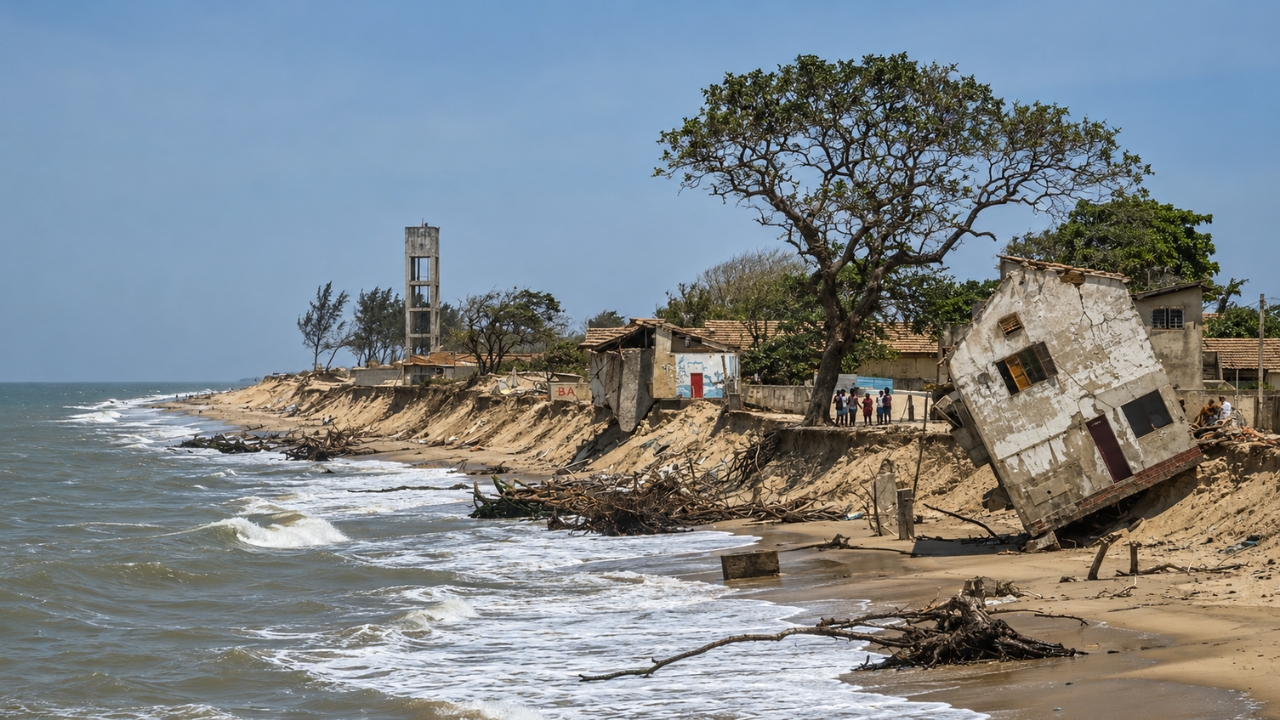
Coastal City in Rio de Janeiro Faces Slow Destruction as Sea Claims 500 Homes and Businesses

-
48-Year-Old Woman Wins Million-Dollar Prize, Gifts Neighbor First International Trip as Thanks for Years of Support

-
Women Once Mocked for Collecting Trash Form Group to Turn Organic Waste into Compost, Generate Daily Income, and Improve Market Cleanliness in One of the World’s Lowest GDP per Capita Countries
-
Archaeologists Uncover 40,000 Roman Bronze and Copper Coins from the 3rd Century in Fire-Destroyed French Neighborhood


The remaining holiday days have more defined peak windows. On Thursday (May 1st), the most intense movement occurs from 7 AM to 10 AM, a period corresponding to the morning travel of those who decided to travel on the holiday itself. On Friday (2), the peak is concentrated between 10 AM and 6 PM, and on Saturday (3) the highest movement occurs from 10 AM to 4 PM, a time that marks the return of those who enjoyed the long holiday weekend and need to return before Sunday. Those who manage to avoid these windows will find highways with significantly less traffic.
What is the most critical stretch of highways during the holiday

The corridor between Garuva and Palhoça is where the holiday exacts its highest price in travel time. This stretch of BR-101 includes access to Florianópolis via the Beltway, roads that funnel the traffic of hundreds of thousands of vehicles heading to the coast or simply transiting through the state towards the South or North. The combination of high volume, toll booths, sections under construction, and access to intermediate cities creates conditions for congestion that can last for hours when any incident interrupts the flow.
For those leaving or arriving in Florianópolis, the Beltway is a known bottleneck that the holiday intensifies. The road was designed to divert through traffic from the urban center, but during holiday peak periods, it absorbs both transit vehicles and local drivers accessing neighborhoods along the route, a combination that reduces average speed and generates queues that stretch for kilometers. Planning your trip for off-peak hours is the most effective way to avoid the congested Beltway.
What Arteris prepared for the holiday on SC highways
The concessionaire responsible for the highways in the stretch has set up an operation covering the entire holiday period. Arteris Litoral Sul has positioned vehicles, tow trucks, and ambulances along the highways between Garuva and Palhoça, with camera monitoring that allows identifying congestion, accidents, and stopped vehicles in real-time to activate response teams before the problem worsens. The service operates 24 hours throughout the entire operation, from its start on Wednesday until its conclusion on Sunday.
Emergency service is an essential part of the holiday structure. Every minute an accident-involved or broken-down vehicle remains on the road reduces the highway’s traffic capacity and creates a ripple effect that can turn minutes of delay into hours of congestion, and the presence of strategically positioned tow trucks and ambulances allows for quick removal that minimizes the impact on traffic flow. For drivers facing mechanical problems or involved in an accident during the holiday, the advice is to turn on the hazard lights, signal with a warning triangle, and contact the concessionaire via the emergency phone number available on signs along the entire highway.
How to plan your trip to avoid getting stuck in holiday traffic
The most effective strategy is simple: leave outside of peak hours. Those who need to travel on Wednesday (30), the most congested day of the holiday, should consider departing before 5 AM or waiting until after 10 PM, times when vehicle volume drops significantly and the stretch between Garuva and Palhoça, including access to Florianópolis, can be covered in near-normal time. On Thursday (1st), traveling after 10 AM avoids the morning peak, and on Friday and Saturday, leaving before 10 AM or after 6 PM and 4 PM respectively reduces exposure to congestion.
For those who cannot choose the time, preparation makes a difference during the holiday. Filling up before entering the highway, bringing water and food, checking tire pressure, oil level, and brake condition are precautions that prevent forced stops that worsen both collective congestion and the individual driver’s experience. The forecast of rain during the holiday reinforces the need to check windshield wiper blades and ensure the lighting system is working, precautions that in wet road conditions with heavy traffic can prevent accidents.
And you, will you be hitting the road for the Labor Day holiday? What time do you plan to leave? Leave your opinion in the comments.