Portuguese
  Spanish


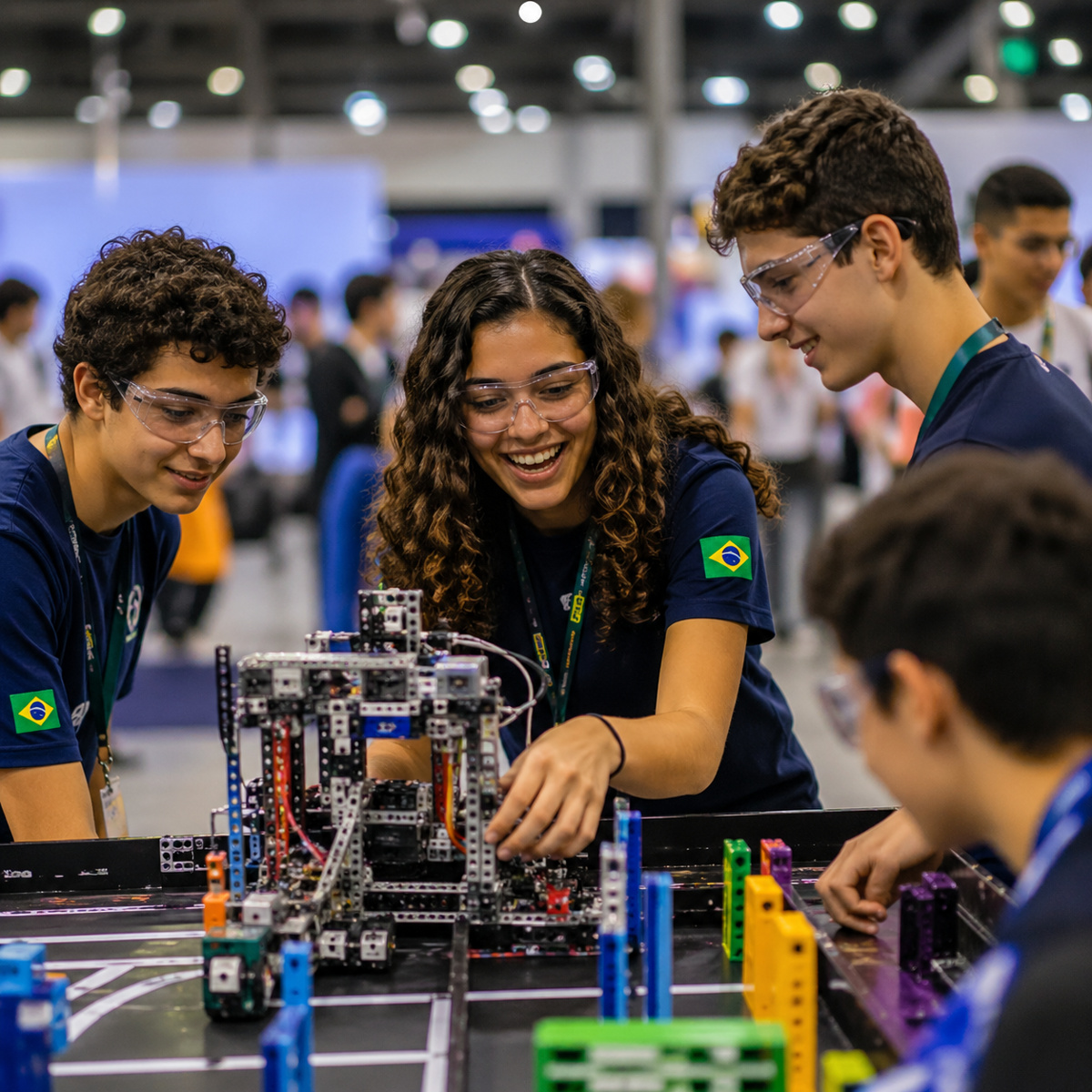

SESI Delegation Takes Students to the USA for Global Robotics Competition, Highlighting Technology and Innovative Projects that Elevate Brazil on the International Stage.
Young Brazilians are heading to Houston, in the USA, this week to compete in one of the largest global robotics tournaments in the world, carrying with them much more than robots: they bring knowledge, creativity, and innovative projects capable of highlighting Brazil on the global technology scene. In total, 17 teams will participate in the FIRST Championship, an event taking place from April 29 to May 2 that brings together students from various parts of the world.
Aged between 9 and 18 years, the participants represent a new generation growing up connected to innovation. Under the coordination of SESI, which has organized the FIRST competitions in Brazil since 2012, this delegation reinforces the advancement of educational robotics in the country and shows that investment in science and technology is already yielding concrete results.
Brazilian Delegation Brings Together 17 Teams from 10 States and Reinforces Diversity in Educational Technology
The presence of young Brazilians in the world robotics tournament in the USA draws attention not only for the quantity but for the diversity. The 17 teams represent ten states: São Paulo, with 4 teams; Rio Grande do Sul, Federal District, Goiás, and Mato Grosso, with 2 teams each; and Minas Gerais, Pernambuco, Sergipe, Espírito Santo, and Santa Catarina, with 1 team each.
-
Scientists Convert Food Waste into Aviation Fuel, Successfully Test 50% Blend with Conventional Kerosene to Cut Emissions and Promote Sustainable Flights

-
OnePlus N6 Smartphone to Launch in India with 8,000mAh Battery and 45W SuperVOOC Charging, Lasting Up to Three Days
-
Scientists Plan to Release Air Bubbles Underwater to Protect Antarctica’s “Doomsday Glacier” from Melting

-
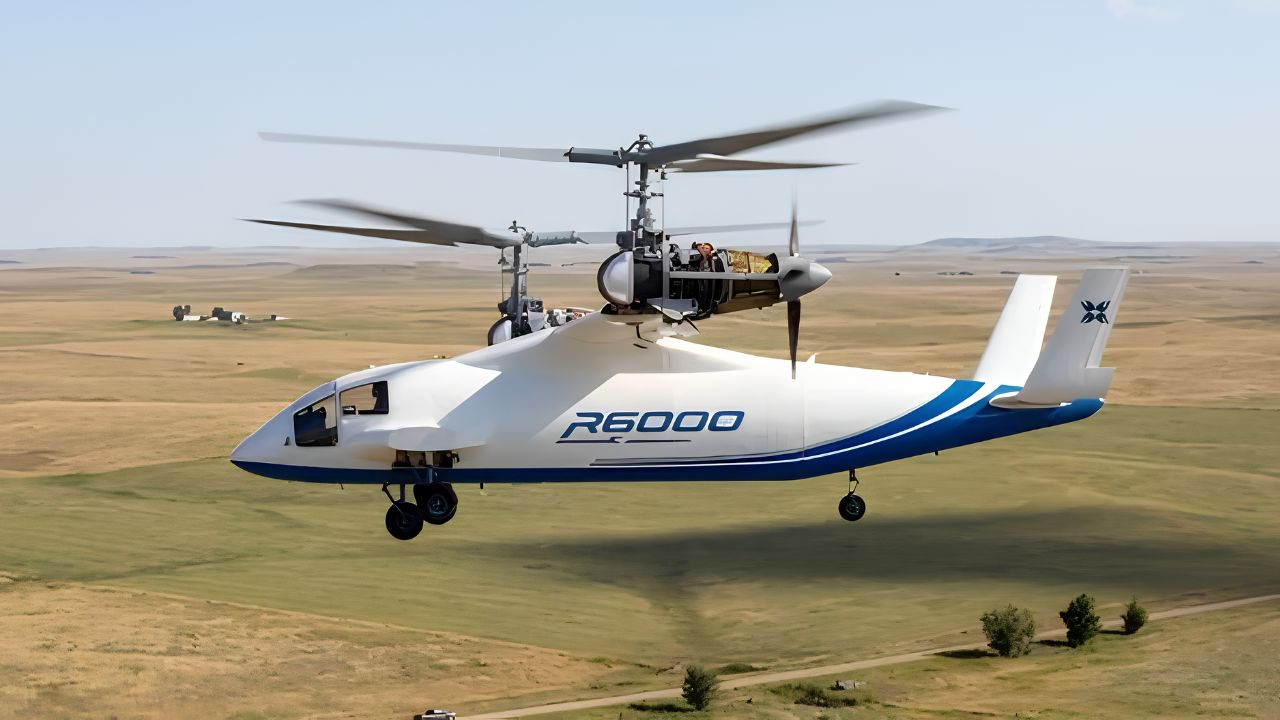
Chinese R6000 Drone Combines Airplane and Helicopter Features, Carries Up to 12 People for Multiple Missions


This snapshot shows how robotics has been expanding across the country, reaching different realities. According to Paulo Mol, managing director of SESI, this diversity indicates that technological education is becoming more accessible, creating opportunities for students from various social contexts.
In practice, this means that the innovative projects presented come not only from large centers but also from regions that, until recently, had limited access to cutting-edge technology.


Categories of the World Robotics Tournament Reveal Advanced Levels of Technology and Student Preparedness
The world robotics tournament in the USA is divided into three main categories, and the young Brazilians compete in all of them. Each category requires specific skills and increasing levels of technical complexity.
Among the categories, the highlights are:
- FIRST LEGO League Challenge (FLLC): aimed at students aged 9 to 15, with robots made of LEGO and challenges that combine programming and creativity
- FIRST Tech Challenge (FTC): intermediate level, with robots up to 19 kg and the use of programming in Android, CAD, and languages like Java
- FIRST Robotics Competition (FRC): the most advanced category, with industrial robots that can weigh up to 56 kg and be about 1.2 meters tall
The majority of Brazilian teams — 9 in total — compete in the most advanced category. Another 5 compete in the FTC and 3 in the FLLC, showing a balance between basic training and high technical performance.
This scenario highlights the growing mastery of young Brazilians in areas such as engineering, programming, and automation, fundamental pillars of contemporary technology.
Innovative Projects Developed by Young Brazilians Highlight Real Solutions and Social Impact
One of the great differentiators of young Brazilians in the world robotics tournament is their ability to develop innovative projects with practical application. More than building robots, students are encouraged to think of solutions for real problems.
These projects often address themes such as education, accessibility, sustainability, and digital inclusion. In several teams, there are initiatives aimed at expanding access to robotics in communities, creating a positive cycle of learning and social transformation.
This educational model, driven by SESI, values not only technical knowledge but also the impact of ideas. By combining technology and purpose, Brazilian students manage to stand out in a highly competitive environment.
International experience goes beyond competition and connects Brazilian youth to the global technology market
Participating in the world robotics tournament in the USA represents a unique opportunity for Brazilian youth to broaden their horizons. The event is followed by major global companies, which use the competition as a showcase to identify talent.
Among the companies that traditionally support or follow the tournament are giants of the industry and technology, which further increases the relevance of Brazilian participation.
For students, this experience can open important doors, such as:
- Direct contact with international specialists
- Possibility of scholarships abroad
- Internship and career opportunities in technology companies
- Development of global networking
In this context, innovative projects gain visibility and can transform into real initiatives in the future.
Brazilian youth also act as volunteers and expand their role in the world robotics tournament in the USA
In addition to the competing teams, Brazil will also be represented by volunteers in the world robotics tournament in the USA. This participation shows the country’s maturation within the FIRST ecosystem.
Among the confirmed names are Gabriel Silveira, Gustavo Bays, and Silas Vergílio, who will serve in important roles. Gustavo, for example, will be the first Brazilian to narrate world tournament matches in English, something that reinforces the international recognition of national talent.
Gabriel participates in arbitration in the most advanced category, while Silas acts as a judge, accumulating a trajectory that began in 2007. These stories show that robotics does not end at school: it can transform into a career and life purpose.
SESI’s history shows the growth of robotics in Brazil and consolidates the training of young talents
The role of SESI in the training of these Brazilian youth is fundamental. Since it began organizing FIRST competitions in Brazil in 2012, the institution has directly impacted more than 45,000 students.
Moreover, the results are significant:
- More than 110 international awards won
- Growing participation in global competitions
- Expansion of educational robotics in different regions of the country
These numbers show that investment in technology and education has generated concrete returns. The innovative projects developed by Brazilian students are proof that the country has the potential to stand out on the international stage.
What this journey reveals about the future of Brazilian technology
The presence of Brazilian youth in the world robotics tournament in the USA goes beyond competition. It represents a larger movement that points to the strengthening of technological education in the country.
With access to initiatives like those of SESI, students from different regions can develop skills that were previously restricted to a few. This includes knowledge in programming, engineering, and solving complex problems.
More than that, the innovative projects show that these young people not only follow global trends but are also capable of proposing relevant solutions for the future.
The impact of this process tends to expand in the coming years. As more students have access to technology, Brazil’s ability to train professionals prepared to work in an increasingly competitive and globalized market also grows.
In the end, what we see is a country that is beginning to transform potential into results. And, depending on the performance of these young talents, Brazil has everything to occupy an increasingly relevant space among the world’s major technological powers.
With information from Industry News Agency