






 Portuguese
  Spanish


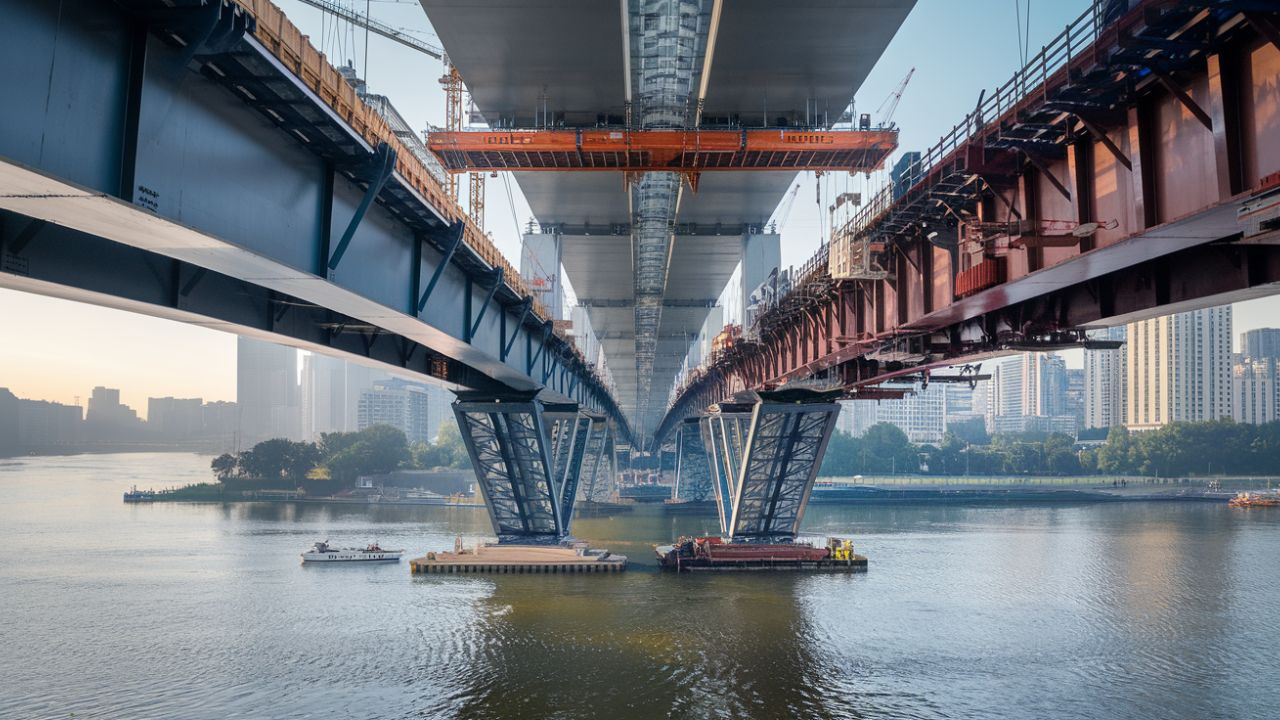


With more than 13 km of extension, the Rio Niterói Bridge is already a landmark of Brazilian engineering, but the Salvador Itaparica Bridge promises to revolutionize the Northeast with cutting-edge technology and a billion-dollar investment. Which will be the most impressive in 2029? Discover the details and impacts of these megaconstructions.
When it comes to transport infrastructure in Brazil, two bridges stand out for their grandeur and strategic impact: the iconic Rio Niterói Bridge, inaugurated in 1974, and the future Salvador Itaparica Bridge, which promises to be one of the largest in Latin America. While the former revolutionized mobility in the state of Rio de Janeiro, the latter has the potential to transform the economy of Recôncavo Baiano. But which one will be the largest in 2029? Let’s explore the characteristics of each and understand their impacts.
Rio Niterói Bridge
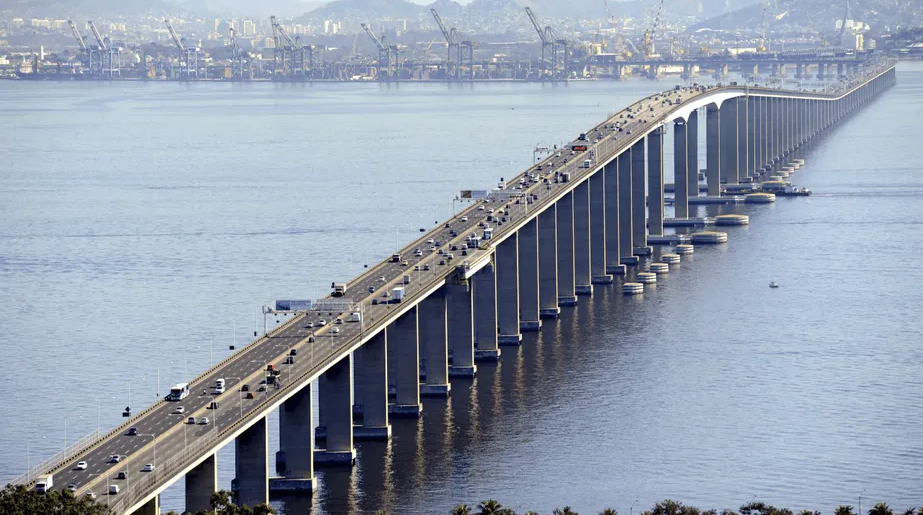
The Rio Niterói Bridge is a landmark of national engineering. With its 13.29 km of extension, it was the longest bridge in the Southern Hemisphere at the time of its inauguration. Connecting the capital of Rio de Janeiro with the city of Niterói, it drastically reduced travel time, which could previously take hours by ferries or require a land trip of over 100 km.
Its economic impacts have been immense, driving the development of Niterói and neighboring cities. Today, the bridge is responsible for the flow of over 180,000 vehicles daily, being vital for the mobility of the Metropolitan Region of Rio de Janeiro.
-
U.S. City Builds Tiny Home Village on Water Company Land to House 136 Homeless People: Inside the Social Housing Units

-
Woman Turns Shipping Container into Home, Embraces Rural Life to Cut Monthly Expenses to Just Over $330
-
France Revamps 530 Social Housing Units with Large Balconies and Glass Facades Without Demolishing Existing Buildings

-
Facing high rent, couple transforms parents’ garage into a fully functional apartment, creating a complete home at a fraction of the market cost.




Salvador Itaparica Bridge
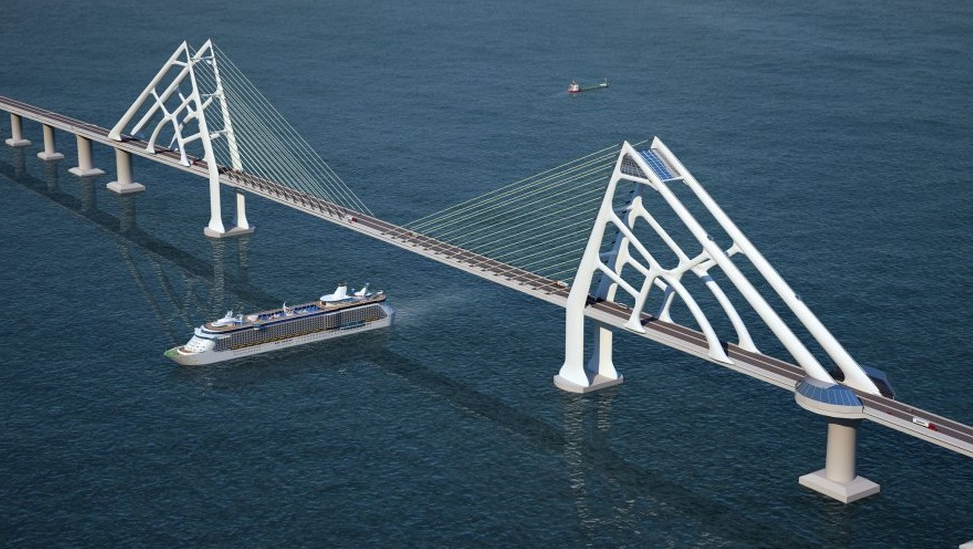
Currently under construction, the Salvador Itaparica Bridge will be one of the largest in Brazil and Latin America. Scheduled to be completed by 2029, it will measure 12.4 km in length and be the longest bridge over water in the continent.
Its main objective is to connect Salvador to Itaparica Island, significantly reducing travel time between regions and fostering tourism and the economy of Recôncavo Baiano. With an investment of R$ 7.6 billion, the project also includes improvements to road access and the creation of around 7,000 direct jobs during its construction.
Technical Comparison Between the Two Bridges
Extension and Structure
Rio Niterói Bridge: 13.29 km in length, with a structure composed of concrete and steel beams.
Salvador Itaparica Bridge: 12.4 km, partially supported by stay cables and concrete beams.
Height and Traffic Capacity
Rio Niterói Bridge: Highest point at 72 meters, allowing the passage of large vessels through Guanabara Bay. It has four traffic lanes and supports up to 180,000 vehicles per day.
Salvador Itaparica Bridge: Its stay cable section will have a height of 85 meters, ensuring navigation for cruise ships and oil tankers. It will have two lanes in each direction and a shoulder that can be converted into a third lane to increase traffic capacity.
Technology and Innovation
Rio Niterói Bridge: Innovative construction for the 1970s, but without significant recent technological advancements.
Salvador Itaparica Bridge: Use of smart sensors for structural monitoring, scenic lighting, and highly resistant materials against corrosion.
The Challenges Faced in Construction
Rio Niterói Bridge: Faced geological difficulties in the foundation and risks for workers due to the rudimentary techniques of the time.
Salvador Itaparica Bridge: Major environmental challenge as it crosses a region rich in biodiversity and faces strong currents and tides.
Investments and Financing
Rio Niterói Bridge: Funded by the Federal Government, it currently operates under private concession, where the toll covers its maintenance.
Salvador Itaparica Bridge: Built in a public-private partnership, with state and private investment, ensuring sustainable operation and maintenance.








