






 Portuguese
  Spanish


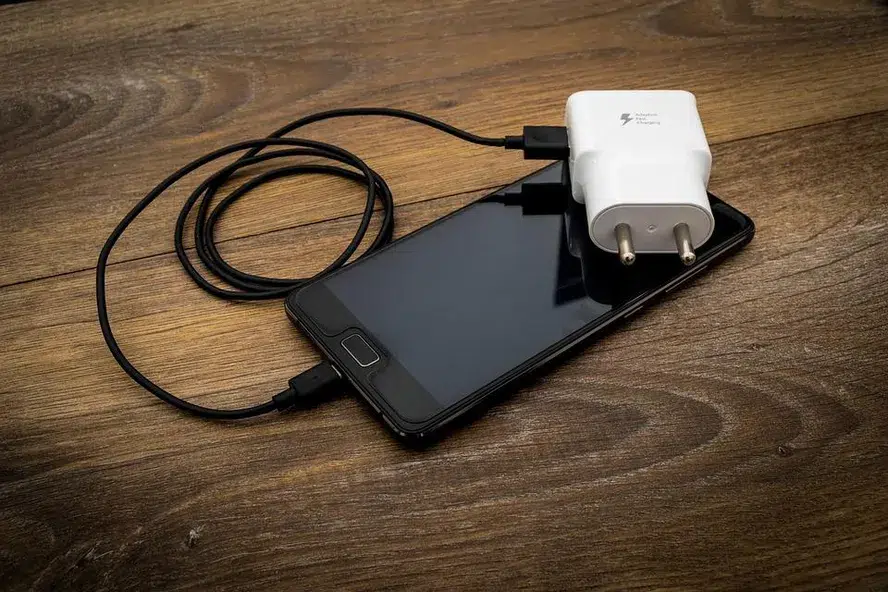


Did You Know That Leaving Your Phone Charger Plugged In When Not In Use Can Generate An Invisible Cost On Your Electricity Bill? See The Real Impact Of This Habit.
Many people keep their phone charger plugged in even when it is not charging any device.
This practice seems harmless, but energy consumption, even when the charger is not actively charging a device, can lead to unexpected annual costs on the electricity bill. Let’s explore the technical and financial details of this common habit.
The Energy Consumption Of The Charger In Standby
Phone chargers consume energy in standby mode, even if they are not connected to a device.
-
Xiaomi Unveils Smart Glasses in Brazil with 12MP Camera, 4K Video, and AI Features, Challenging Ray-Ban Meta

-
Volkswagen Unveils Bold Strategy to Compete with Chinese Automakers in Brazil, Featuring 5,000 Parts, 76% Localization, and a Surprising Turnaround
-
Three Teens Win Global Prize for Low-Cost AI Microscope Diagnosing Malaria Species in Seconds for Remote Villages
-
Xiaomi Unveils Revolutionary Fridge: Eliminates Odors in 3 Minutes, Sterilizes in 2, Offers 508 Liters in Compact Design, Operates at 31 dB, and Is Smartphone-Controlled.


This consumption, known as “phantom energy“, is one of the contributors to electricity waste in households.
With the evolution of energy efficiency standards, modern chargers have been designed to reduce this consumption.
Regulations such as the European Union stipulate that devices manufactured after 2022 must have a maximum consumption of 0.10 W in standby. Older models, however, may have significantly higher consumption.
The Inmetro (National Institute of Metrology, Quality and Technology) establishes energy efficiency standards for various electronic devices, including consumption in standby mode.
Calculation Of Annual Cost In Brazil
How did we arrive at the value below? The energy cost of the charger depends on the electricity rate applied in your region and the type of consumer (residential, commercial, industrial). Electricity rates in Brazil vary depending on the distributor and location.
According to Clarke Energia, Rio Grande do Sul has an average kWh rate of R$ 0.70. If we consider a hypothetical rate of R$ 0.70 per kWh, the calculation would be:
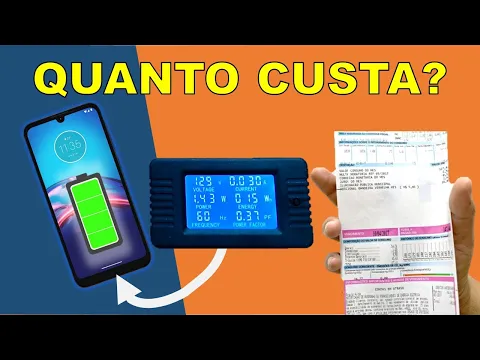
- Chargers manufactured after 2022: Consume approximately 0.10 W. If left connected for an entire year (24h/day), they would use about 0.876 kWh, resulting in an annual cost of R$ 0.6132.
- Models between 2011 and 2022: With a consumption of 0.30 W, they would use about 2.6 kWh a year, generating an expense of approximately R$ 1.82.
- Chargers from 2010 or older: consume on average 4.3 kWh per year, with a cost of R$ 3.01.

Older And Inefficient Models
Before current regulations, some chargers had an energy consumption of 0.75 W to 1 W or more.
In addition to the financial cost, these older models also present greater risks of overheating and electrical failures due to the lack of modern safety standards.
Global Energy Waste
The impact of standby consumption is not only financial but also environmental. Millions of chargers connected around the world contribute to unnecessary energy waste, increasing carbon emissions and overloading electrical grids.
Studies estimate that devices in standby can account for up to 10% of total electricity consumption in households.
Safety Risks
Keeping chargers plugged in 24/7 also poses safety risks. Low-quality products, often purchased from marketplaces such as Temu and AliExpress, may not meet international standards, increasing the chances of overheating, short circuits, and even fires.
Over time, even good-quality chargers can show wear, raising the risks.
Key problems include:
- Excessive heating of outlets and plugs.
- Electrical overload during peak periods.
- Internal failures that might lead to fires.
How To Reduce Energy Waste
To avoid energy waste and risks, follow some practical tips:
- Unplug the charger when not in use.
- Invest in smart outlets with automatic shut-off.
- Prefer certified chargers with energy efficiency labels.
- Avoid generic products or those of dubious provenance.
- Periodically check the condition of cables and connectors.
Is It Worth Unplugging The Charger?
Although the financial impact of a single connected charger is small, the accumulation of various devices in standby makes a difference over time.
Unplugging unnecessary chargers is a simple and effective way to save energy and enhance the electrical safety of your home.
Developing this habit not only reduces your electricity bill but also helps prolong the life of chargers and contributes to global sustainability. Small actions, when multiplied, make a big difference.


MENTIRA! CARREGADOR SE ESTAR CONECTADO NÃO CONSOME NADA!
Meu querido Chervinson, o seu cálculo está quaaaase certo, só faltou você multiplicar por 230 milhões… isso impacta todo um país, imagine o mundo. A falta de consideração e respeito pelo próximo é uma coisa que vem aumentando muito nesse mundo, e que só vai piorar… não espere nenhuma melhora, pois isso está escrito na Bíblia. O mundo vai de mal a pior. Agora, se você não acredita na Bíblia, seu problema é muito maior….
Legal saber disso.