Portuguese
  Spanish


Space solar energy projects advance in wireless transmission tests, while agencies and research centers evaluate costs, safety, integration into the power grid, and the feasibility of transforming satellites into future orbital power plants.
Space solar energy, known by the acronym SBSP, has regained attention in research by governments, space agencies, and universities for proposing the capture of sunlight in orbit and the transmission of this energy to Earth via microwaves or laser.
The technology does not yet power commercial electrical grids, but it already includes laboratory tests, in-orbit demonstrations, and feasibility studies conducted by institutions in the United States, Europe, Japan, and China.
The concept is based on a physical difference between space and the Earth’s surface.
-
Astronomers Discover Two Giant Planets with Cotton Candy-Like Density, Comparable in Size to Jupiter, Orbiting a Star 1,110 Light-Years Away

-
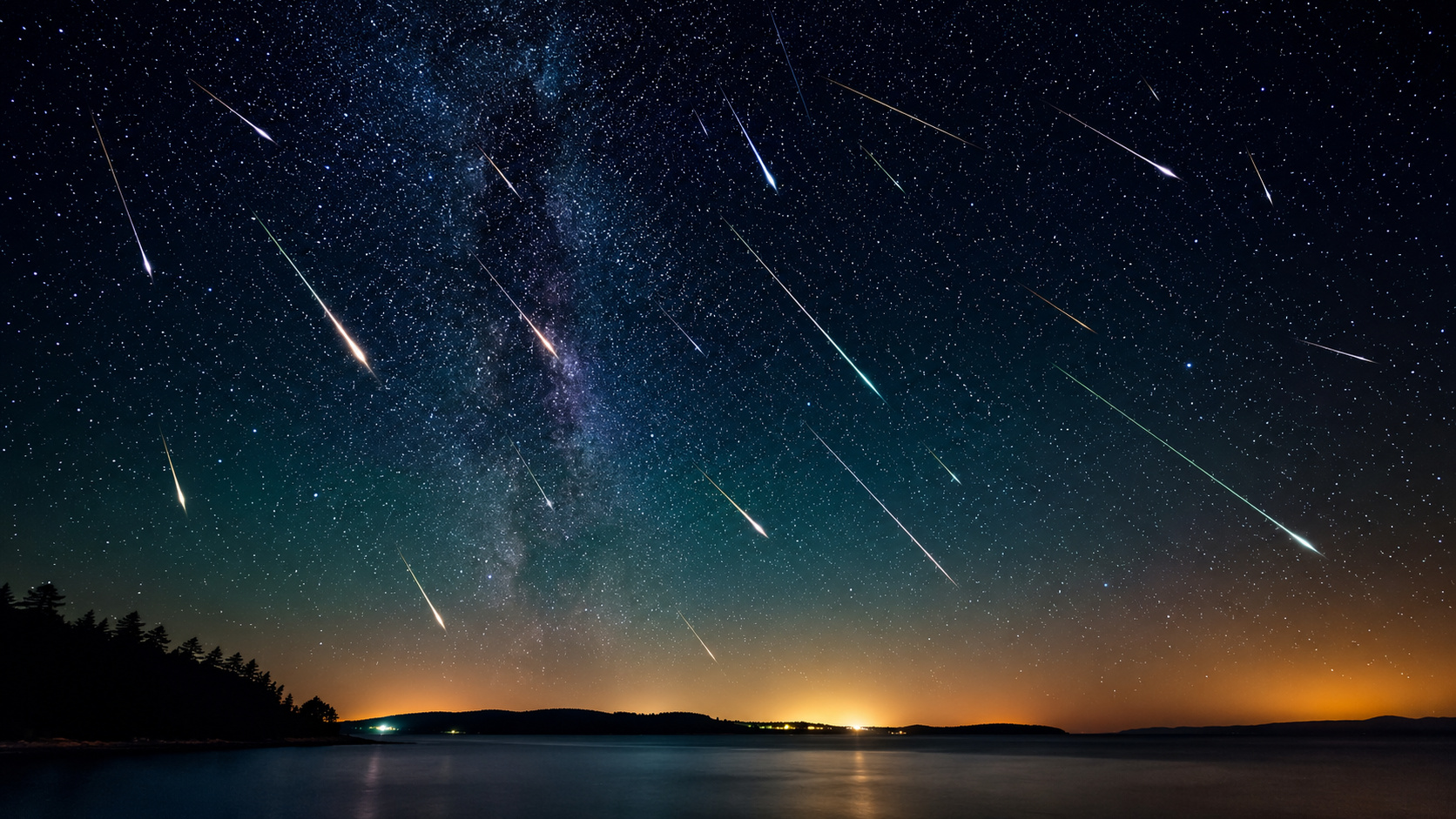
Meteor Showers and Full Moon Create Rare Celestial Display Over Brazil in Late July

-
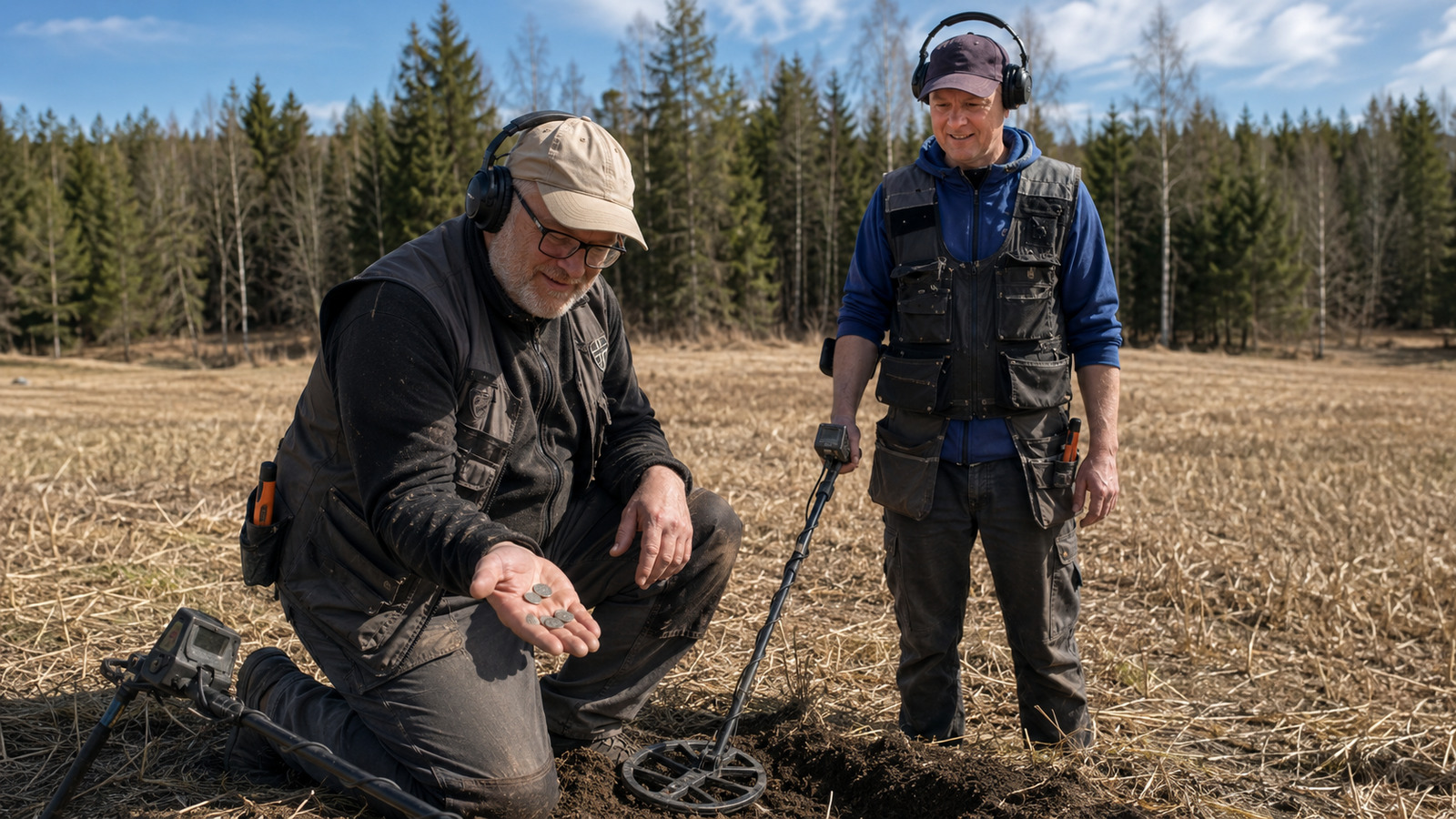
Metal Detector Enthusiasts Uncover Largest Viking Coin Hoard in Norwegian History with 2,970 Silver Pieces Near Rena

-
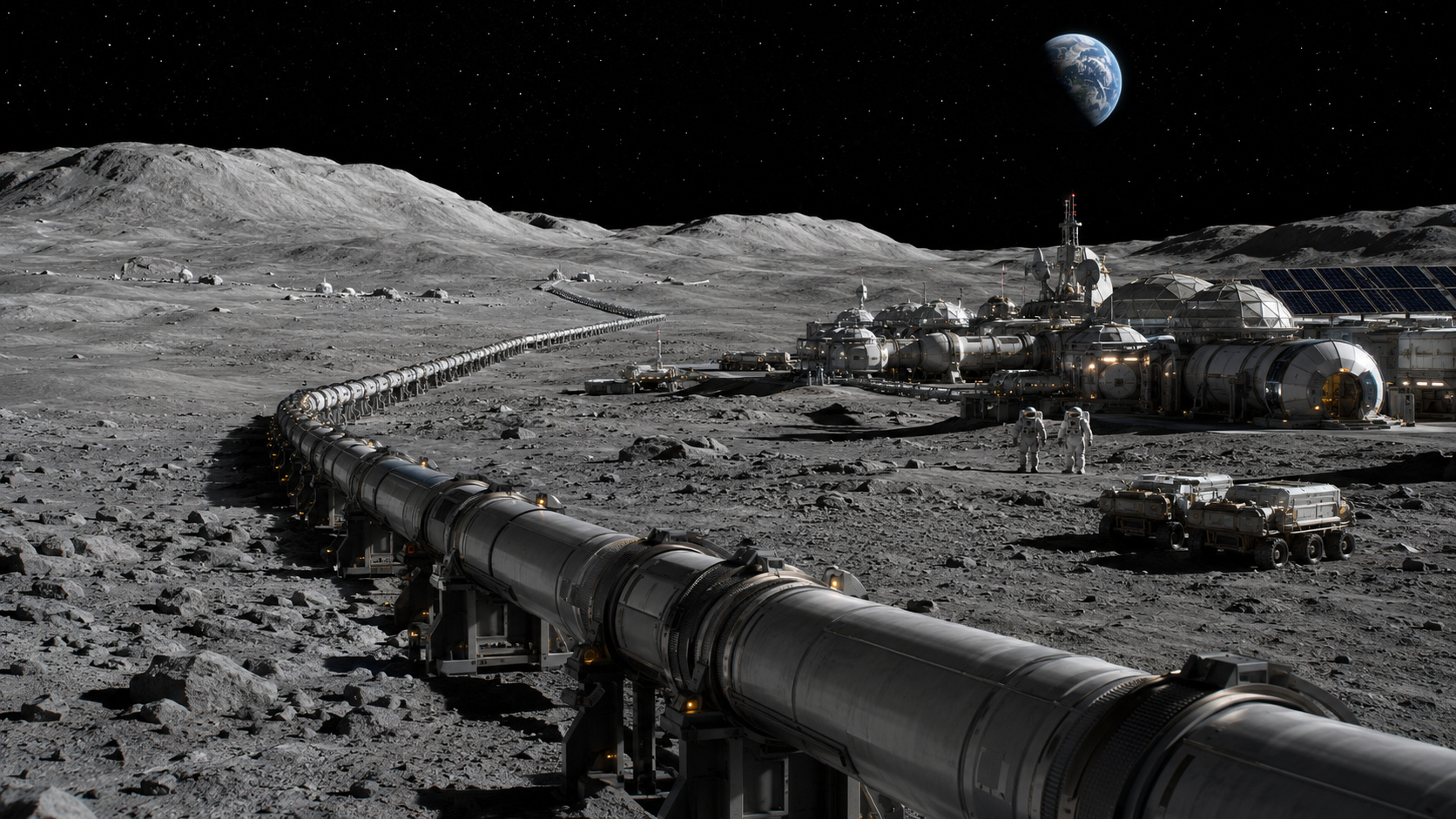
5 km Lunar Pipeline Could Supply Oxygen to Astronaut Bases, Replace Transport Robots, and Become First Major Infrastructure Project Beyond Earth

Outside the atmosphere, solar panels are not subject to the same interference from clouds, rain, dust, local climate variations, and the alternation between day and night in a specific region.
The United States Department of Energy states that the solar energy received on Earth is reduced by factors such as night, cloud cover, atmosphere, and seasonality, while orbital systems could capture solar radiation with fewer losses before sending it to receivers on the ground.
How an orbital solar power plant would send energy to Earth
In an SBSP system, satellites equipped with photovoltaic cells would capture sunlight in orbit.
The generated electricity would be converted into radio frequency, typically microwaves in many of the studied projects, and directed to receiving stations on the ground.
These installations, called rectennas in technical studies, would convert the received signal back into electricity for use in the grid.
The European Space Agency describes space solar energy as a technology under evaluation to complement climate-dependent renewable sources, such as terrestrial solar and wind energy.
The SOLARIS program, maintained by ESA, analyzes technical, economic, regulatory, and environmental issues before any decision on large-scale deployment.
Microwave transmission would not mean launching energy diffusely over cities or inhabited areas without control.
In the models analyzed by agencies and research centers, the beam would need to be directed to planned receiving areas, with power limits, safety protocols, permanent monitoring, and integration with telecommunications, aviation, and energy authorities.
Caltech’s test with space solar energy
In the United States, one of the most cited projects is the Space Solar Power Project by the California Institute of Technology, Caltech.
The initiative received funding from Donald Bren and Brigitte Bren, through the Donald Bren Foundation, as well as initial support from Northrop Grumman, and aims to develop lightweight and foldable modules capable of capturing solar energy and transmitting it wirelessly.
The SSPD-1 demonstrator was launched in January 2023 to test three fronts: a deployable space structure, solar cells, and a wireless transmission system called MAPLE.
In June 2023, Caltech reported that the equipment transmitted energy wirelessly in space and sent a detectable amount of energy to Earth.
The result was treated by the institution as a technical milestone, but not as a commercial energy operation.
The experiment demonstrated components in a space environment, without equating to an orbital power plant connected to the electrical grid.
To move from this stage to a real application, it would be necessary to increase the transmitted power, improve the system’s efficiency, validate the beam’s safety, and demonstrate stable operation over long periods.
China, Japan, and Europe research solar energy in space
In China, teams linked to Xidian University and the country’s aerospace institutions are also researching space solar energy.
In 2024, a publication linked to the National Center for Science, Technology, and Innovation reported that Chinese researchers completed a full chain ground verification for technologies associated with a future solar space station, including energy capture, conversion, and transmission.
Japan has been developing studies on space solar systems for decades.
JAXA, the Japanese space agency, reports that its research on wireless energy transmission by microwaves includes precise beam control, with phase and amplitude synchronization in antennas to direct energy to the desired point.
This step is considered necessary for any system that relies on sending energy from space to a specific area on the surface.
In Europe, ESA treats the topic as a technological possibility still under evaluation.
The focus of SOLARIS is to measure whether space solar energy could offer clean, scalable, and continuous generation to support grids with a higher presence of variable renewables.
The agency’s own approach indicates a complementary function, not the immediate replacement of current terrestrial sources.
Engineering challenges for solar satellites
The construction of an orbital solar power plant would require panels, reflectors, transmitters, and support structures on a much larger scale than conventional satellites.
Besides the launch, it would be necessary to deploy and control extensive components, maintain precise orientation relative to the Sun and the terrestrial receiver, deal with radiation, thermal variation, vibrations, and the risk of collision with space debris.
The United States Department of Energy notes that some solar satellite designs with microwave transmission could involve large-scale structures in geostationary orbit and ground receivers several kilometers in diameter.
These numbers vary depending on the project, but they indicate the size of the infrastructure needed to transform a technological test into a grid-scale electricity source.
Regulation is also part of the challenge.
An SBSP system would depend on international coordination of orbits, use of radio frequencies, environmental licensing, air safety rules, satellite protection, failure management, and definition of liability in case of interference or accident.
Without these parameters, energy transmission by beam could not be treated merely as an engineering issue.
Cost and viability of space solar energy
NASA evaluated space solar energy scenarios that could operate around 2050.
The report concluded that, under the analyzed assumptions, SBSP systems would be more expensive than sustainable terrestrial alternatives, although costs could decrease if technological gaps were resolved in areas such as launch, space assembly, scale manufacturing, and transmission efficiency.
This data does not end the research but establishes an economic reference for comparison.
Terrestrial solar plants, wind farms, batteries, reinforced grids, and other storage technologies are also evolving.
For space solar energy to enter the power grid, it would be necessary to demonstrate not only technical feasibility but also competitive cost, public safety, and clear benefit to the electrical system.
The promise of capturing sunlight almost continuously also requires precision.
Satellites in suitable orbits can reduce dependence on weather and the local day-night cycle, but availability would not be absolute under all circumstances.
Orbital eclipses, panel degradation, maintenance, pointing loss, electronic failures, and operational constraints can alter the power delivered.
Space energy between tests and power grid
Space solar energy remains in an intermediate phase between technological demonstration and energy infrastructure proposal.
The tests already conducted show that parts of the system can function in a space environment, but commercial application would require transmission on a much larger scale, integration with national grids, regulatory acceptance, and economic proof.
In the coming years, SBSP projects are likely to depend less on a single breakthrough and more on the combination of advances in launchers, lightweight materials, orbital robotics, semiconductors, antennas, beam control, and international standards.
Without these steps, the idea of capturing energy in space will remain restricted to experiments and feasibility studies.