






 Portuguese
  Spanish


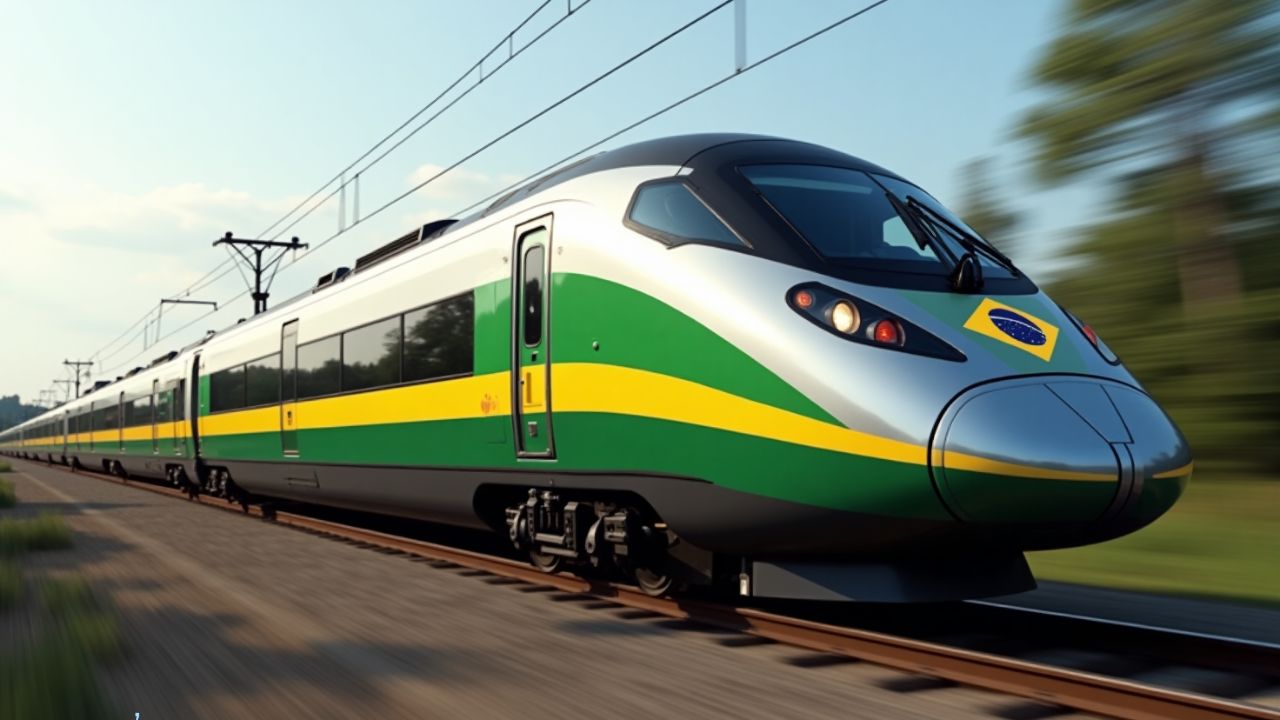


The Construction of a Train That Will Link Porto Alegre to Gramado Just Took an Important Step. The State Attorney General’s Office (PGE) Issued a Favorable Opinion on the Project, Indicating That the Gaucho Government is in Agreement With the Initiative. With This, the Dream of Connecting the Capital to the Heart of the Serra Gaucha by Rail is Starting to Become a Reality.
The PGE’s approval is a significant milestone for the project’s viability, as it indicates that there are no legal impediments to its implementation. This positive signal paves the way for the train’s construction to advance to the next stages, including the formalization of the contract and the initiation of the necessary bureaucratic processes.
Investment and Expectation for the Start of Construction
The project for the construction of a train that will cover the route between Porto Alegre and Gramado will be funded through a private investment of approximately R$ 3 billion. The government of Rio Grande do Sul expects the adhesion contract to be signed this year, allowing the environmental licensing phase to begin.
The forecast is for construction to start in 2028 and that, after a period of three years, the train will be operating on the route, providing a modern and efficient transportation alternative for tourists and residents of the region.
-
Concrete-filled PVC homes could be cheaper than traditional masonry, UPF research finds; with ready modular panels, less waste, and faster construction, the Concrete-PVC system aims to cut costs and transform affordable housing in Brazil.

-
Brazilian House Built with 32.8 Tons of Construction Debris Offers Affordable Housing Solution
-
Americans Build Entire Homes in a Day Using Compact Sand Foundations and Pre-Made Wooden Trusses, Reducing Construction Costs

-
China’s Largest Floating LNG Plant, NGUYA, Sets Sail for Congo: 2.4 Million Tons Annually for Italy’s Eni


Necessary Licenses and Environmental Studies

After the contract is signed, Sultrens Transportes Ferroviários, the company responsible for the project, will need to apply for a preliminary license from the State Department of the Environment. Furthermore, it will be necessary to develop the Environmental Impact Study (EIA) and the Environmental Impact Report (RIMA), essential documents to ensure that the train’s construction meets environmental requirements and does not cause significant negative impacts in the region.
Responsible Companies for the Construction
The Sultrens project has been under development for two years and involves the participation of three specialized companies in the sector:
- RG2E Engenharia Consultiva: Responsible for the technical development of the project, with experience in subways and passenger railways.
- STE Engenharia: Works in the infrastructure area, ensuring the structural viability of the railroad.
- BF Capital: Responsible for attracting investors to enable the financing of the construction.
The three companies have joined efforts to create Sultrens, a special purpose company that leads the initiative and seeks to turn this ambitious project into reality.







Pelo amor de Deus!!! Que ideia absurda. 3 bilhões!!!! Apliquem este dinheiro em pontes, ferrovia segurança nas estradas. Posso dar mais ideias se quiserem. Gostaria de ver Gramado no Natal e Páscoa atulhado de gente. É o caos.
3 bilhões??!… caramba! Acho que os filhos das amantes dos assessores do governo vão ganhar umas fatias gordas desse dinheiro.
Uma piada!!!