






 Portuguese
  Spanish
  3 min of reading
  0 comments


Rare Species Found in 2020 in the Indian Forest Disappeared After Destruction of Logs and Improper Handling by Photographers, Raising Scientific Alerts About Limits of Environmental Monitoring and Survival of Sensitive Amphibians
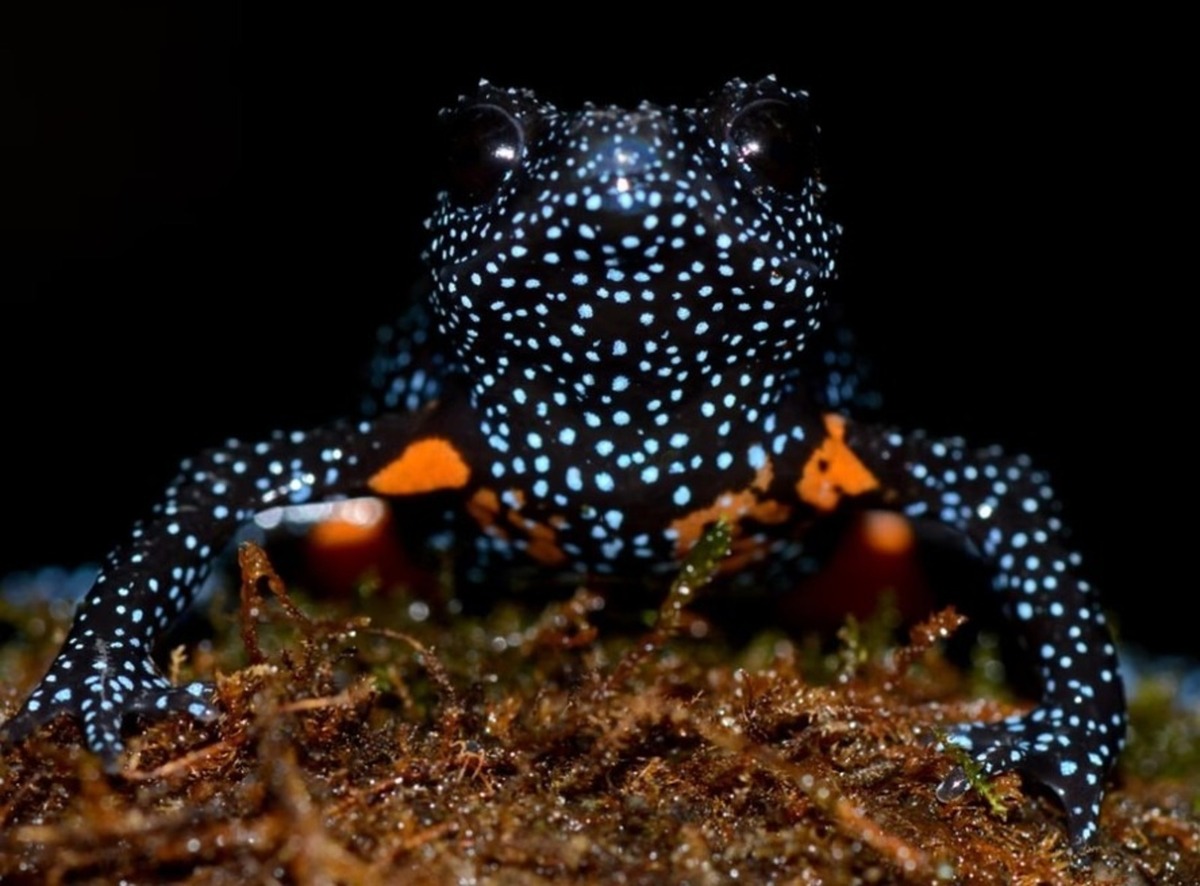
A group of frogs known as “galaxy frogs,” an endangered species, has disappeared and is considered extinct after photographers destroyed microhabitats and improperly handled sensitive specimens in the tropical forest of Kerala, India, raising alerts about direct human impacts.
The so-called galaxy frog, scientifically identified as Melanobatrachus indicus, measures about the size of a fingertip and lives hidden under fallen logs.
The species inhabits the tropical forest of Kerala, where it remains protected by moisture and dense vegetation, essential factors for its survival and cutaneous respiration.
-
Science wants to know what football does to you: study gathers smartwatch data to understand the real impact of World Cup emotions on the human body

-
Lasers penetrate the dense forest of the Chocó Andino and reveal more than 200 mounds, 100 terraces, and ancient roads in just 600 hectares, suggesting a much larger pre-Hispanic landscape hidden near Quito.

-
Fossils millions of years old reveal that giant capybaras once dominated Chile, a country where the largest rodent on the planet simply no longer exists today.

-
Former coal mining area in the central United States receives nearly 17,000 solar panels generating 9.8 megawatts, serving over 650 subscribers and including about 200 low-income families without installing anything on rooftops.


Its bluish spots, reminiscent of stars in the night sky, do not indicate poison but are associated with communication among individuals of the same ultrasensitive species.
Rare Discovery and Forced Interruption of Research
In early 2020, researcher Rajkumar K P, a member of the Zoological Society of London, located seven specimens in the Western Ghats forest in India.
The discovery was considered exceptional, as the species is extremely rare and difficult to find even by experienced researchers in the tropical region.
With the onset of the Covid-19 pandemic, the scientist was unable to return to the site, interrupting the continuous monitoring of that small identified group.
Return to the Site and Signs of Environmental Destruction
When he was able to return to the area, Rajkumar found the scene completely altered, with broken, displaced logs and trampled vegetation, eliminating the original microhabitats.
“The large, beautiful fallen log that was there was completely broken and displaced,” the researcher reported to The Guardian.
The starry frogs were not found again, indicating that the destruction of habitats had a direct impact on the survival of the animals.
Investigation Points to Direct Human Action
Initially, Rajkumar suspected the action of brown mongooses but dismissed the hypothesis after concluding that they would not have the strength to move large logs.
By talking with local trackers, the researcher was informed about the presence of nature photographers repeatedly visiting that specific point in the forest.
These small groups had deliberately turned logs to find the endangered species and facilitate rare photographic records.
Improper Handling and Reported Deaths
According to the trackers, upon locating the frogs, the photographers would capture and reposition them in visually appealing scenarios to obtain better images.
The handling occurred without gloves, even though frogs breathe through their skin and are extremely sensitive to prolonged human contact.
One tracker reported that five or six frogs were handled in a single day, resulting in the death of two after excessive exposure.
Institutional Pressures and Failures in Monitoring
Forest department officials try to prevent this type of activity but face pressures from higher authorities to grant special permits.
According to Rajkumar, photographers turn to politicians, Supreme Court judges, or influential figures to access restricted areas.
The case exposes how the quest for impactful images can lead to irreversible consequences for rare species, highlighting vulnerabilities in the protection of sensitive ecosystems.
Information is from Extra.globo.






-

-

-

-

5 people reacted to this.