






 Portuguese
  Spanish


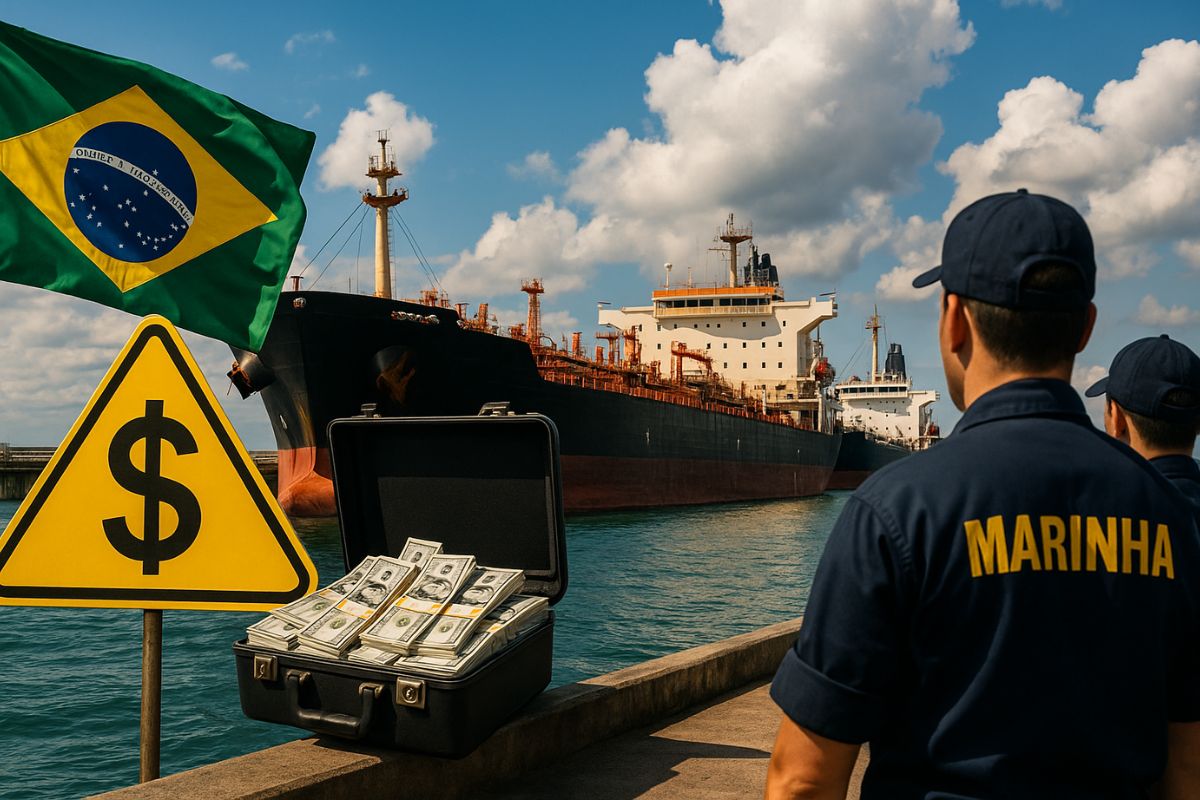


Operation Carbon Chain Investigates Billion-Dollar Fraud in Fuel Trade.
The Federal Revenue and Navy of Brazil conducted an operation on Friday (26) that resulted in the detention of two ships loaded with approximately 91 million liters of imported diesel. The vessels were headed to storage terminals in Rio de Janeiro and São Paulo. This action is part of the second phase of the Operation Carbon Chain, which investigates a scheme involving billion-dollar fraud in the fuel trade, according to information from Diário do Povo.
In addition to diesel, 115 tons of chemical compounds used as additives and various containers with inputs related to the formulation of petroleum derivatives were intercepted. All material has been forwarded for technical expertise, in order to confirm its composition and identify any irregularities.
What Is Operation Carbon Chain
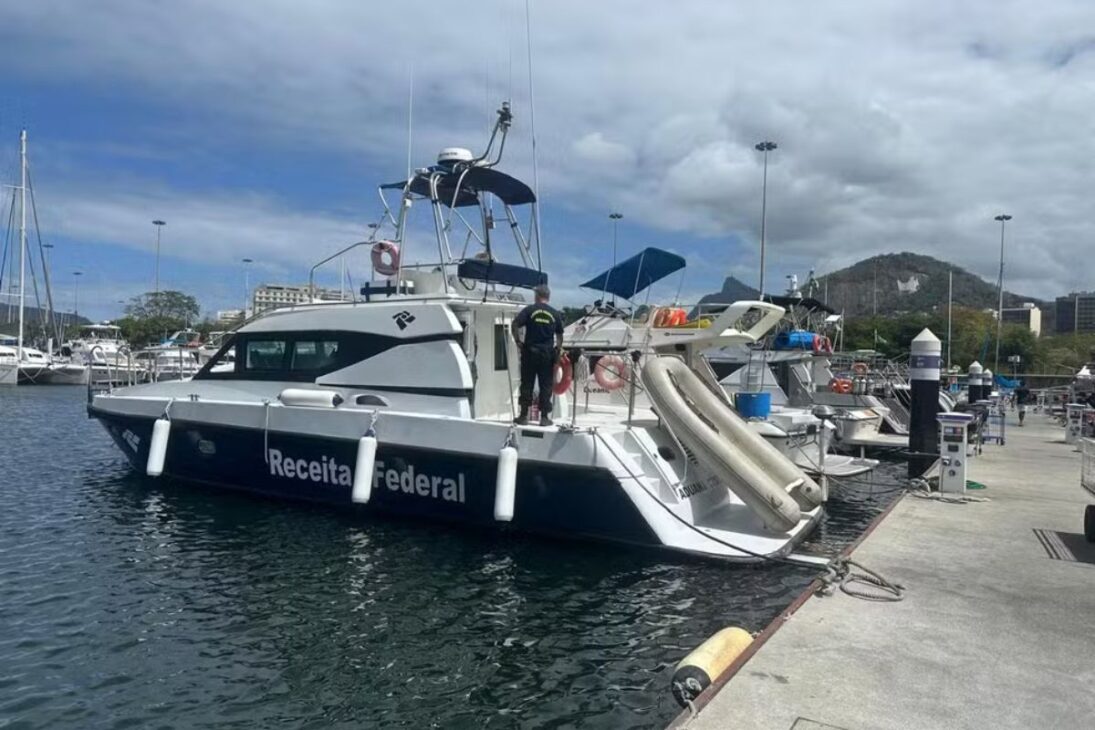
The action is part of a long-term strategy to dismantle frauds in the import and commercialization of fuels. According to the Federal Revenue, the scheme involves simulated sales with fake invoices and transport documents that seek to conceal the actual responsible parties for the operations.
-
Brazilian Steel Giant Partners with USP to Develop 40% Stronger Rebar for World’s Tallest Residential Building in Brazil’s Senna Tower

-
Oil Prices Drop to $72 as 20 Million Barrels Pass Through Strait of Hormuz in 24 Hours, Easing Supply Fears but Regional Tensions Keep Market on Edge

-
Brazil’s Ministry of Justice Investigates CazéTV for Betting Ads During World Cup Broadcasts

-
Brazilian Retail Giant Americanas Faces $10 Billion Asset Freeze Amid Investigation into Hidden Debts


Another focus of the investigations is to identify who the ultimate beneficiaries of the scheme are, often concealed through shell companies or intermediary contracts. The operation also verifies whether refineries and distributors comply with the requirements of the National Petroleum Agency (ANP), such as storage limits and distribution norms.
Billion-Dollar Values at Stake
In this stage alone, the seized goods exceed R$ 290 million in diesel, not including the high-value chemical inputs. This amount adds to the previous phases of the operation, which had already identified movements of billion-dollar amounts in suspicious operations.
The direct impact is felt in tax collection, as schemes of this nature aim to evade taxes and generate illegal advantages for specific groups, to the detriment of fair competition.
The Role of the Navy and Monitoring of Shipments
The Navy of Brazil works together with the Federal Revenue to monitor suspicious ships, recording images and movement traces. This surveillance ensures that products remain under control until the completion of expert analyses and prevents cargo from being diverted or concealed during the investigation process.
The obtained records will be used as evidence in potential legal actions, strengthening the fight against irregular trade and money laundering in the energy sector.
Next Steps of the Investigation
The seized products will now undergo detailed analysis to verify origin, composition, and potential adulterations. The Federal Revenue reported that the efforts will expand to map the entire network of companies and agents involved, from importers to local distributors.
Experts assess that intense oversight in this sector is crucial to reduce tax evasion, ensure quality for the end consumer, and promote greater balance in the fuel market.
The case in which the Federal Revenue and Navy acted jointly exposes the magnitude of the challenges related to the irregular fuel trade in Brazil. More than a one-off operation, the Carbon Chain represents an effort to protect public revenue, fair competition, and the energy security of the country.
And you, do you believe that operations like this are sufficient to curb billion-dollar fraud in the fuel sector? Or would deeper structural changes be necessary? Leave your opinion in the comments; we want to hear from those closely following the impact of this market.


Precisa de um controle mais efetivo. Uma quantidade dessas de combustivel não se escondem em tambores. Precisa de tanques gigantes. É fácil localizar e fiscalizar. Precisa sim de uma recomposição dos efetivos das receitas estaduais, que foram desmanteladas principalmente no Rio e em São Paulo para combater esse tipo de desvio. Outro ponto, a Petrobras precisa voltar a distribuição de combustível pra regular o mercado
Engraçado que no governo Lula a polícia trabalha livre, nunca aprenderam tanta coisa ilegal como agora, governo Lula vai acabar com o crime organizado, diferente na época dos milicianos que não faziam nada .
Com certeza é preciso mudanças estruturais, para o controle e fiscalização de modo que a PF seja acoinada apenas em caso de suspeitas de fraudes , sendo que o controle e fiscalização sejam feitos por órgãos públicos ou legislação de forma transparente,,,