Portuguese
  Spanish


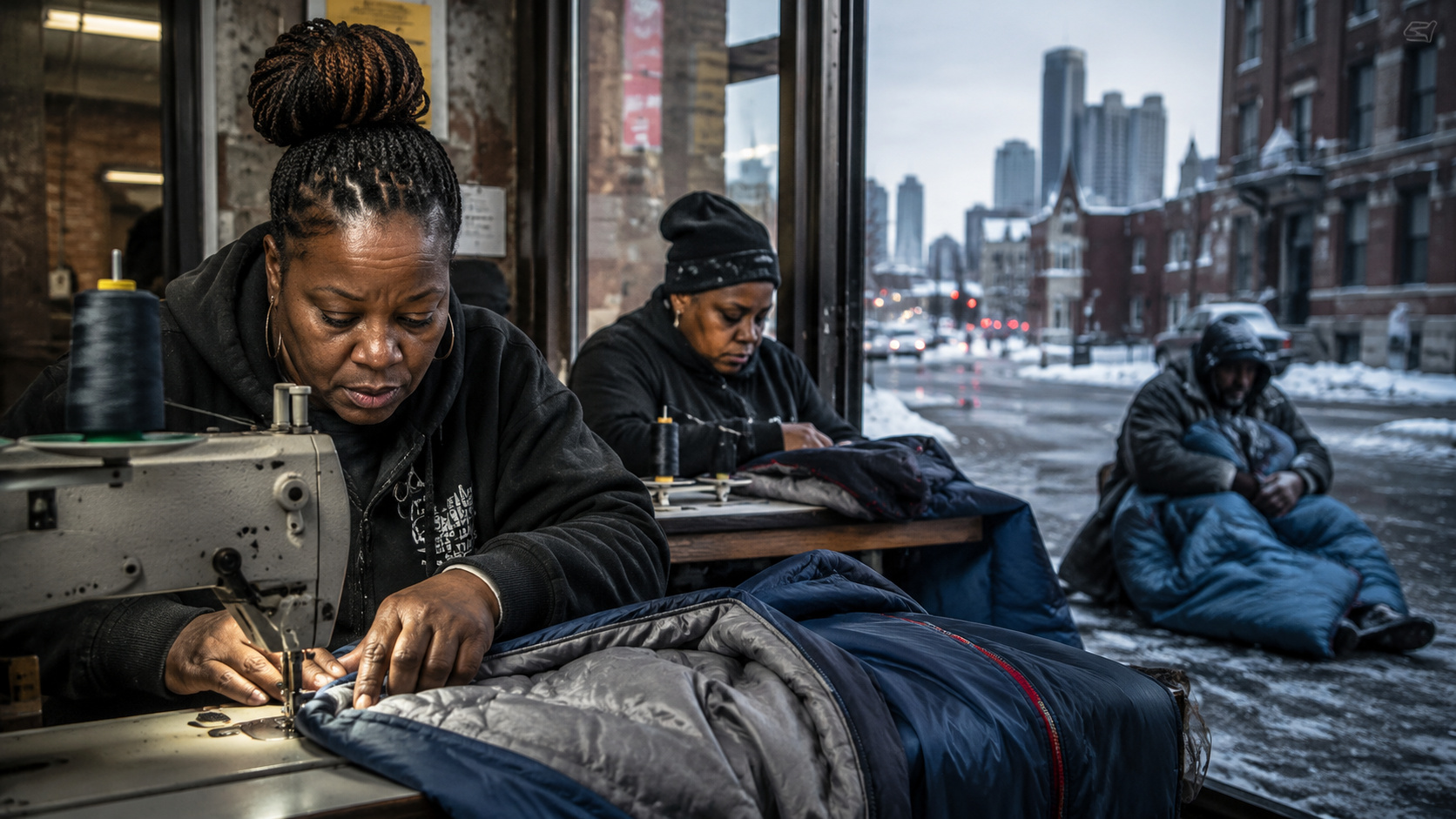

In Detroit, a coat that turns into a sleeping bag shows how homeless people can receive protection against the cold while vulnerable women find work, training, and support to restart with more security.
Women who once slept on the streets of Detroit now make coats that open into sleeping bags to protect others from the cold. The garment was designed to be worn as clothing during the day and as a portable shelter at night.
The information was released by Empowerment Plan, a nonprofit organization in Detroit. The project combines a practical solution against the cold with employment, training, and support for people who have faced vulnerability.
The impact goes beyond donation. The coat helps those still on the streets, but it also creates a bridge to restart for those involved in the production. The central idea is simple and strong: those who know the pain of having nowhere to go help protect those who still live this reality.
-
Katie Stagliano’s 18 kg Cabbage at Age 9 Fed 275 People, Inspired Katie’s Krops, and Led to 100 Community Gardens in 32 U.S. States to Combat Hunger with Fresh Produce

-
Black Granite Sarcophagus Found in Alexandria Reveals Three Skeletons, Strange Liquid, and an Ongoing Archaeological Mystery in Egypt

-
Childhood Psychology: Experts Highlight How Playing Outdoors Until Dusk Boosted Autonomy, Decision-Making, and Resilience in Previous Generations, Influencing Adult Behavior Today
-
Former Truck Driver from Brazil Builds Logistics Company Aiming for $70 Million Revenue with 11 Branches, 700 Monthly Clients, and $10 Million Fleet Investment


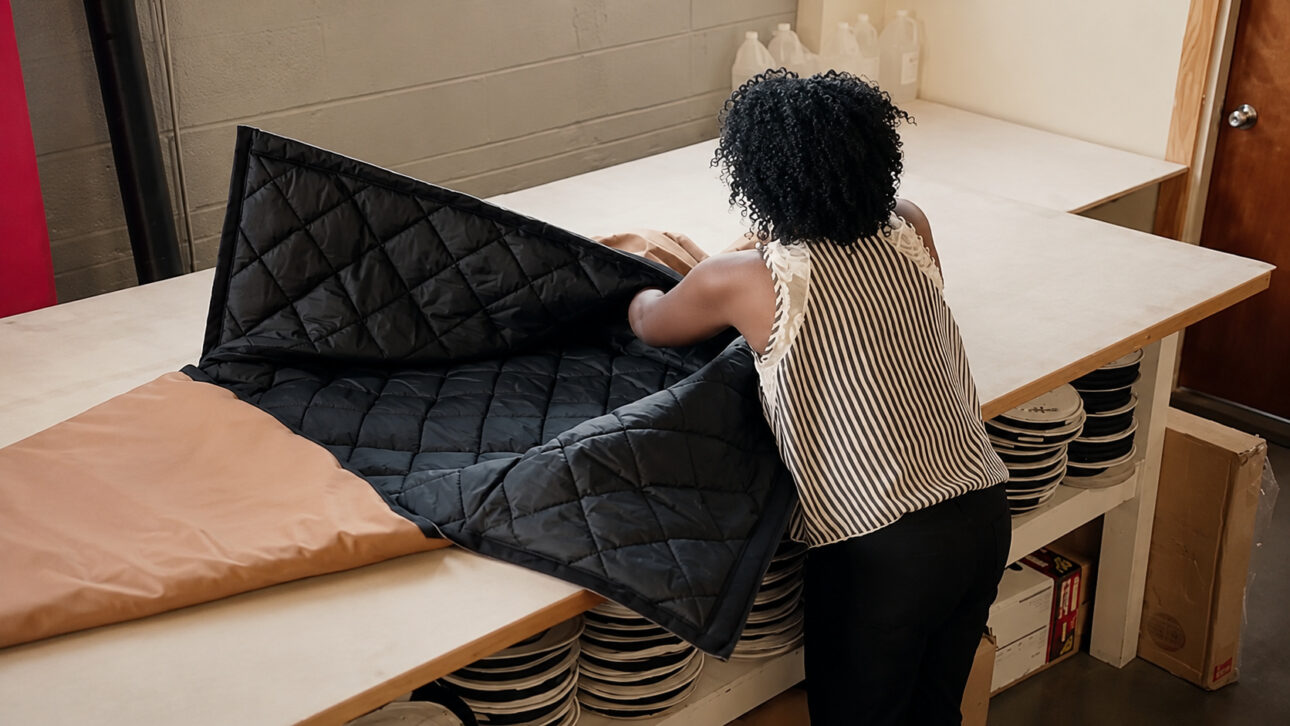
How the coat turns into a sleeping bag and can also be carried as a bag
The coat was designed to function in more than one situation. It can be worn on the body as a regular winter garment, can be opened to become a sleeping bag, and can also be carried as a shoulder bag.


This transformation makes the garment useful for those who need to move during the day and find some protection at night. For people without a fixed home, carrying many items is difficult. Therefore, a piece that combines clothing, shelter, and transport has practical value.
The material is described as weather-resistant and made to last several seasons. This matters because those living on the streets face rain, wind, dirt, constant movement, and much greater wear and tear than a regular garment usually endures.
Another important point is the appearance. The piece was created so that a person can walk around the city without being immediately identified as someone homeless. This helps reduce judgmental looks and preserves part of the dignity of those who receive the coat.
Why producing the coat is also part of the social solution
The strength of the project lies in the cycle it creates. The coat warms those who receive it, but the production also keeps people employed. The donation doesn’t end with the delivered item, because it also helps sustain work and reintegration.
The Empowerment Plan, a non-profit organization from Detroit, detailed the core points of the program. The initiative combines full-time employment with support services to help those served to move out of homelessness and seek more stability.
In practice, sewing the coat becomes part of a larger path. The work offers income, routine, learning, and social interaction. For those who have experienced vulnerability, this can be decisive in regaining autonomy.
The project also shows that solving a social problem requires more than providing one-time help. It is necessary to create conditions for the person to break out of the cycle of insecurity and move forward more confidently.
What it means to employ people who have experienced vulnerability
For those who have never been through it, getting a job may seem like just a matter of looking for a vacancy. For those who have faced homelessness, the path is usually much more challenging. The person may have difficulties with transportation, address, childcare, documentation, emotional health, and daily stability.
Therefore, the program is not limited to production work. It also involves support related to housing, childcare, transportation, education, and other basic needs that directly affect job retention.
This model shows that reintegration needs to consider the person’s entire life. It’s not enough to open a vacancy if the barriers continue to prevent them from arriving, staying, and growing.
The result is a solution with two ends. On one side, the coat protects those sleeping on the streets. On the other, the work gives those who sew a chance to rebuild their own path with more support.
Why cold on the streets is a greater danger than it seems
For those with a home, the cold may seem just uncomfortable. For those sleeping rough, it can become a real risk. Wind, rain, and low temperatures wear down the body and make each night more difficult.
In this context, a coat that turns into a sleeping bag serves as emergency protection. It does not replace a home, shelter, or public policy, but it can help reduce the suffering of those who need to spend the night without adequate protection.
The piece also facilitates mobility. The person can wear the coat during the day, carry it as a bag when necessary, and open it as a sleeping bag when it’s time to rest.
This detail makes the project stronger. It does not see the cold as a detail of life on the streets. It treats the lack of thermal protection as an urgent need for those who are exposed.
A coat that warms the body and tries to preserve dignity
The project draws attention because it combines function and human care. The coat warms, protects, and accompanies the person in movements, but also tries to prevent them from being immediately marked by their own vulnerability.
This concern is important. People living on the streets already face a lack of security, food, shelter, and privacy. When a piece of clothing helps reduce stigma, it also protects self-esteem.
The piece does not solve the problem of homelessness on its own. Even so, it shows how a well-thought-out solution can alleviate an urgent need without treating the person as invisible.
The coat becomes a symbol of a powerful idea: social help can also be done with intelligent design, dignified work, and respect for those who receive it.
The cycle that transforms sewing into a new beginning for those who make it and protection for those who receive it
The story of the women who make coats in Detroit is powerful because it shows a rare cycle. People who have faced vulnerability participate in the production of something that protects others in a similar situation.
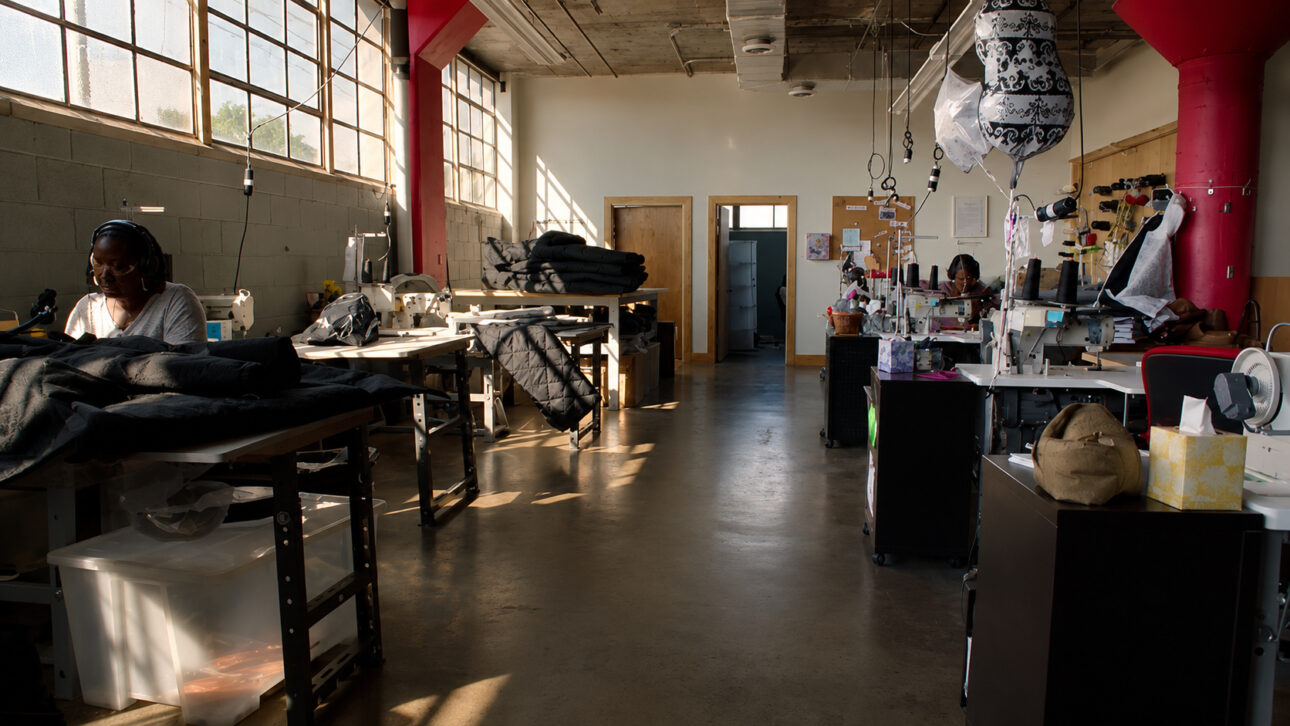
This movement creates a direct link between memory, work, and care. Those who have experienced the insecurity of not having a place to sleep understand better the weight of a cold night.
The coat that opens as a sleeping bag is not just a winter piece. It represents an attempt to unite portable shelter, employment, training, and social reintegration within the same response.
In the end, the most striking idea is this: a piece made by hands that know the street can help other people get through difficult nights with a little more protection.
Should projects like this be adapted for Brazilian cities where the cold also puts lives at risk? Leave your opinion in the comments and share this story.