






 Portuguese
  Spanish


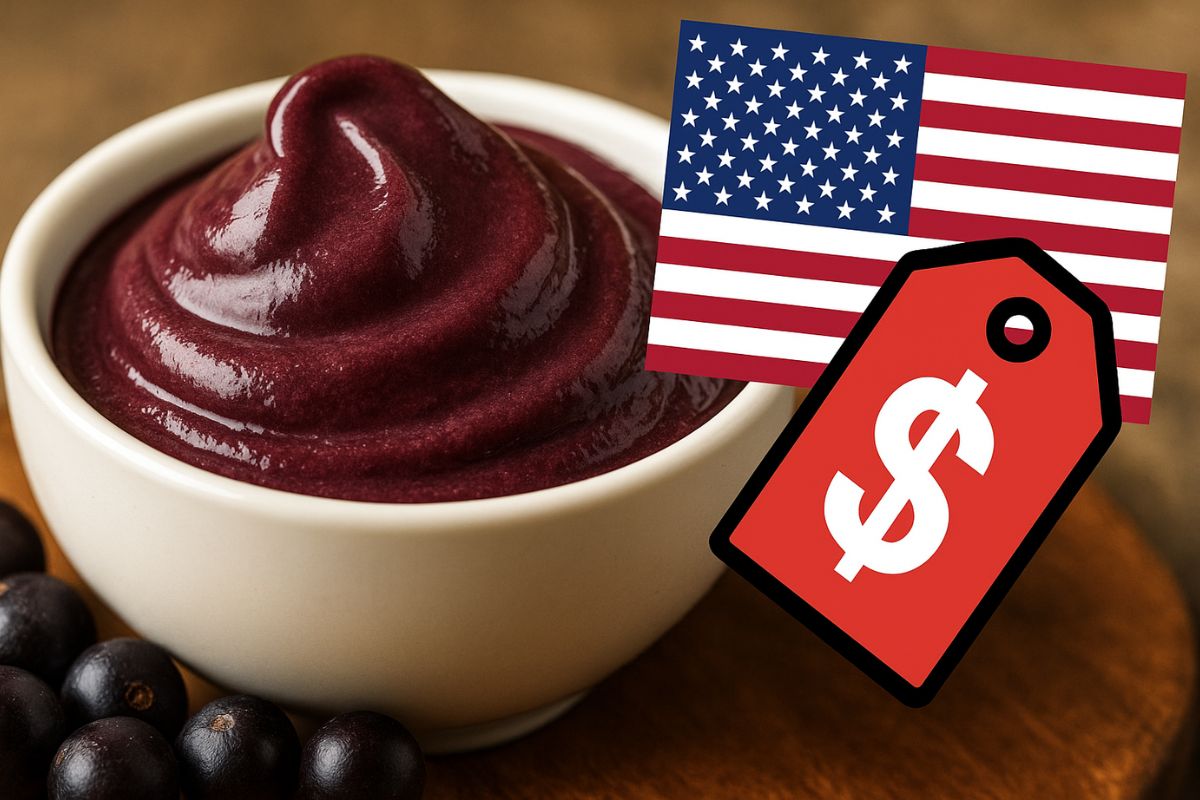


50% Tax On Brazilian Imports Threatens To Transform Acai Into Premium Item In Cities Like New York And Los Angeles
Brazilian Acai May Become A Luxury Food In The U.S. Starting August 1, when a 50% tariff imposed by the Donald Trump administration will take effect. The measure directly impacts the Amazon fruit, which dominates the North American smoothie and energy bowl market.
According to a report by Reuters, chains like Playa Bowls and Oakberry are already estimating an increase in the final price of their products. The change may drive away consumers and force Brazilian companies to rethink their exports to the United States.
Tariff Raises Cost And Threatens Popular Consumption
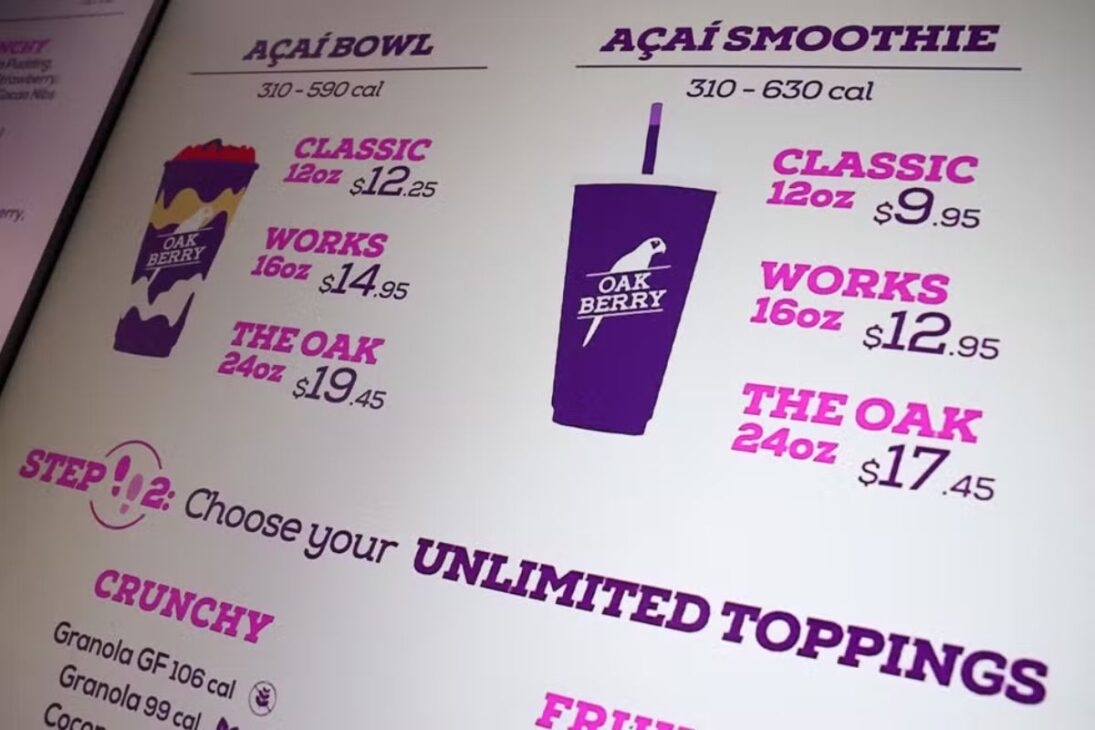
Brazilian Acai May Become A Luxury Food In The U.S. Because almost all the pulp consumed in the country is imported from Brazil. With the new tariff, costs may double for the end consumer. Currently, a bowl can reach US$ 18 (around R$ 100) at stores like Playa Bowls in Manhattan.
-
Brazilian Energy Agency Announces August Electricity Bill Discounts; Find Out Who Qualifies

-
Subway Fare Rises to R$ 6 in Belo Horizonte, Brazil; Combined Tickets Reach R$ 14.20
-
Food Waste in Brazil’s Campinas Transformed into Compost to Cut Methane, Leachate, and Greenhouse Emissions

-
Brazil’s Gross Public Debt Surges to 81.1% of GDP in May, Raising Concerns with $107.5 Billion in Interest Payments


Oakberry, the largest global acai chain, sells smaller portions for US$ 13 (R$ 72) in the U.S. According to local merchants, the increase may turn the product into something restricted to higher classes. The Brazilian company has not yet officially commented on the impacts of the measure.
Exporters Worried About The Future
Brazilian Acai May Become A Luxury Food In The U.S., but producers are trying to avoid this scenario. Nazareno Alves da Silva, from the Association of Acai Producers of Amazonas, stated that calculations to maintain exports are becoming increasingly unfavorable. “The numbers don’t add up,” he said in an interview.
According to data from IBGE and the governments of Pará and Amazonas, acai production jumped from 150,000 tons ten years ago to nearly 2 million in 2023. The U.S. is the main buyer, followed by Europe and Japan. With the new tax, the Brazilian sector is considering redirecting part of its foreign trade to other markets.
Amazon Product Has Already Become A Symbol Of Healthy Eating
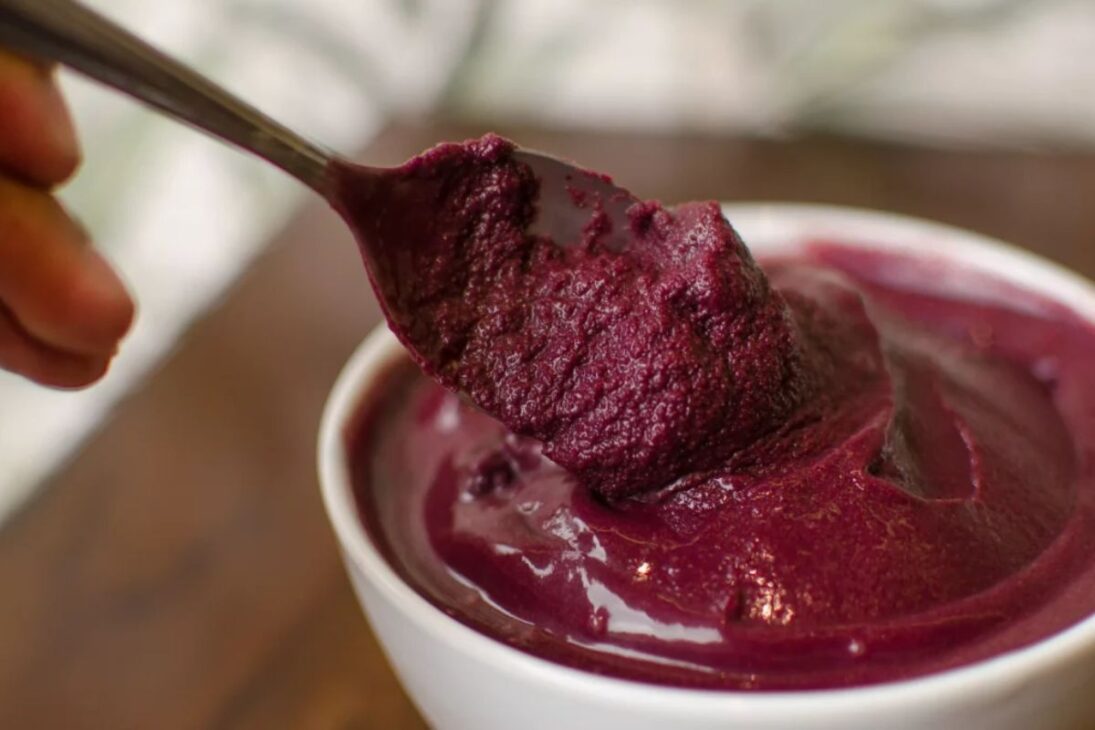
Brazilian Acai May Become A Luxury Food In The U.S., even having become popular as a natural energy alternative. Stores promote the fruit as being rich in antioxidants, omega-3, and fiber, although the FDA, the U.S. regulatory agency, highlights that more studies are needed to prove health benefits.
Consumers like Milan Shek in New York recognize the flavor and nutritional value of acai but admit that the new price may weigh on their wallets. With the price increase, many may reduce their frequency of consumption or even seek cheaper substitutes.
Effects May Go Beyond Acai
Brazilian Acai May Become A Luxury Food In The U.S., but it is not alone. Other Brazilian exports are also on the Trump administration’s radar. Coffee, orange juice, and beef—all with a strong presence in North American supermarkets—may be impacted by similar tariffs.
The impact goes beyond food: the trade tension between the two countries pressures the national agribusiness, which relies on exports to maintain profit margins. Without an agreement between the governments, Brazil may lose ground in strategic markets and see acai, one of its biggest global successes, become a niche product.
Do you think acai will withstand the price increase or will it disappear from shelves in the U.S.?




Temos que agradecer ai Bolsonaro seu partido PL a direita brasileira e aos filhotes de cruz credo do **** pela perda de milhares de empregos…todos batam palmas para i Tarcisio o Nokolas . Damares …eles estao bem empregados com seus salarios abusivos….e o gadoooo continua comenfo grama…
tem que agradecer o **** do lula que na reunião dos BRICS sinalizou para criar uma nova moeda concorrente com o dolar…. Nada haver com PL e Bolsonaro