Portuguese
  Spanish


The Cubatão Refinery Stops for Maintenance in July and August, Mobilizing 3,6 Thousand Workers and Investing R$ 490 Million to Ensure Safety and Operational Efficiency.
The Presidente Bernardes Refinery (RPBC), in Cubatão (SP), started a scheduled maintenance stop on July 12, which is expected to last about 30 days. The action, involving approximately 3,6 thousand in-house and outsourced workers, aims to ensure the safety of operations and improve the energy efficiency of the unit. The work takes place at the Petroleum Coke Units (UCP-1) and Distillation Unit (UN), with investments exceeding R$ 490 million.
This intervention is conducted every six years and follows strict technical and environmental protocols. Although production is partially suspended, Petrobras assures that the fuel supply to the market will not be affected.
Robust Investment for Safety and Sustainability
During the maintenance stop at the Cubatão Refinery, regulatory inspections will be carried out, as well as preventive and corrective maintenance on the units. These services are essential to preserve the integrity of the facilities, protect workers, and maintain the reliability of fuel supply.
-
The first large-scale ethanol-powered thermoelectric plant is born in Pernambuco, surprising the energy sector and potentially opening a new phase for biofuels in Brazil.

-
Acelen advances with megabiorefinery in Bahia with a R$ 503 million investment released by BNDES and boosts the production of sustainable fuels with advanced technology capable of transforming vegetable oil and waste into green diesel and low-emission aviation fuel.

-
Petrobras announces RNEST’s historic milestone in April after the refinery reached record diesel production and strengthened the national fuel supply.
-
Petrobras Expands Refining in Brazil, Increases Production of Diesel S-10 and Gasoline, Enhances Operational Efficiency, and Reduces Import Dependence Between 2023 and 2025
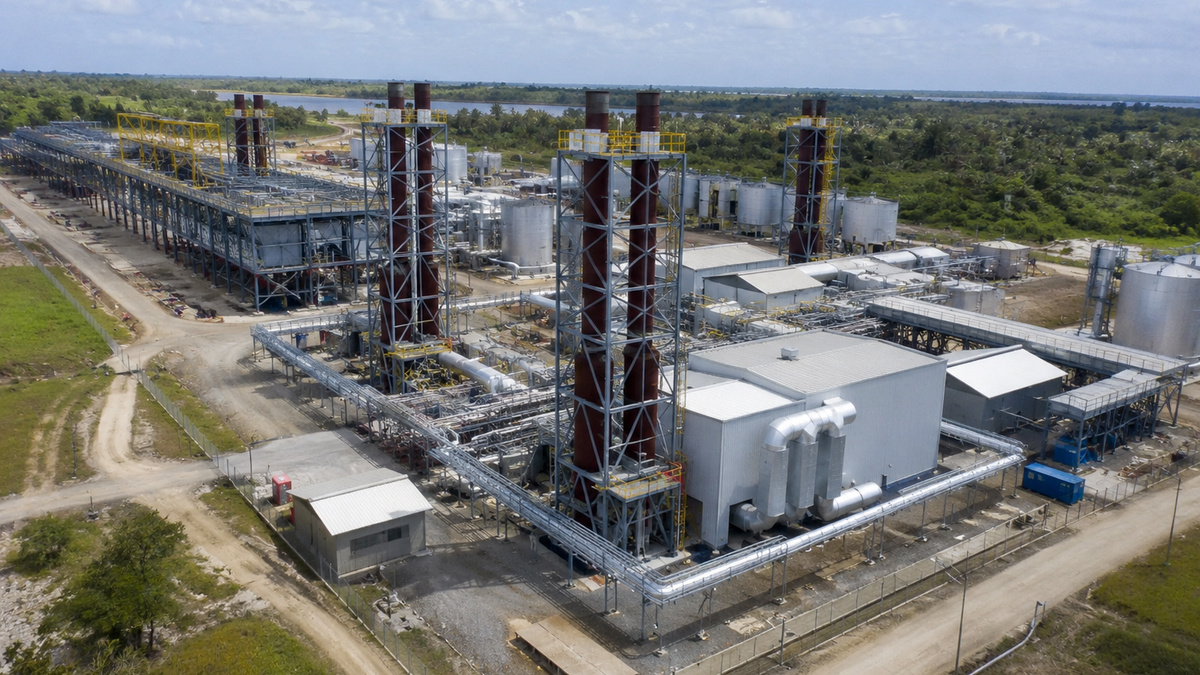
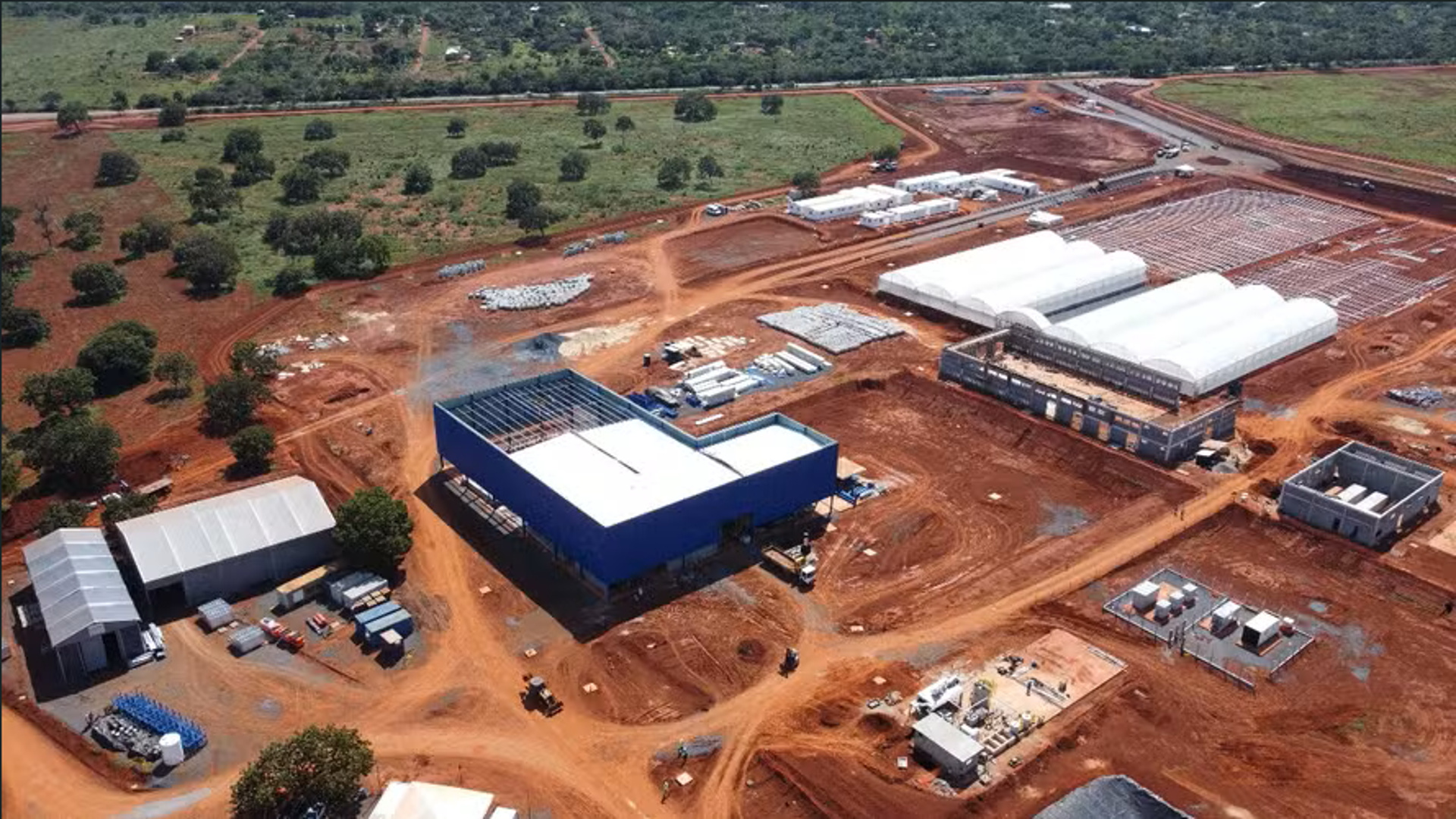

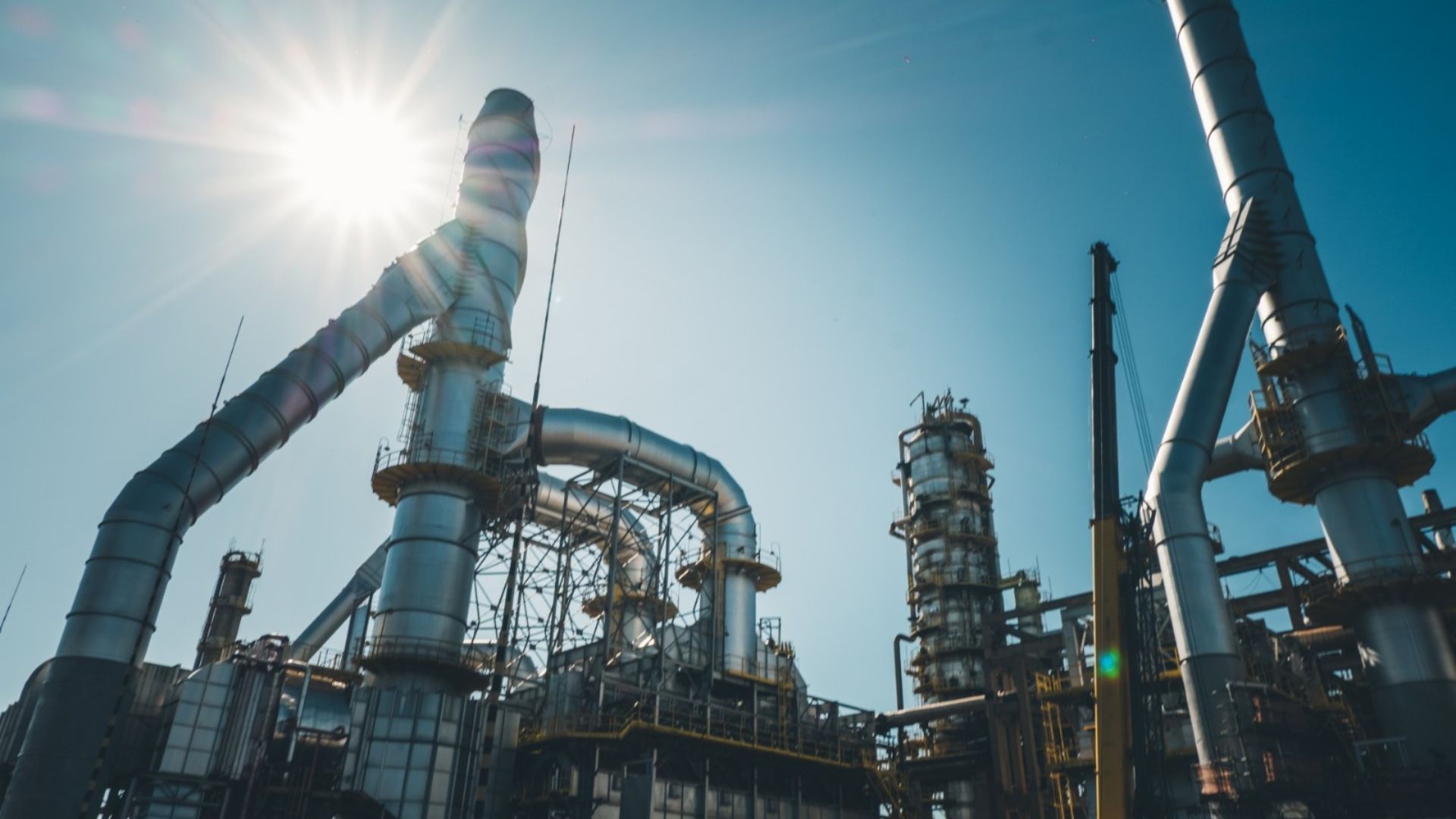
According to RPBC General Manager, Fernando Tadeu de Castilho, “in addition to enabling gains in operational and environmental efficiency, the shutdown contributes to the implementation of important projects aimed at increasing energy efficiency and reducing greenhouse gas emissions and carbon footprint, in line with Petrobras’ Strategic Plan.”
Efficient Logistics Ensures Supply During the Stop
Even with partial production interrupted, Petrobras emphasizes that there will be no impact on fuel supply. The state-owned company prepared in advance, adjusting stocks and coordinating actions between the sales and logistics areas to ensure continuity in customer service.
This strategy is crucial to maintain market balance and avoid fluctuations in supply, especially in Greater São Paulo and regions directly served by the refinery.
Strategic Role of the Cubatão Refinery in the Energy Sector
With a capacity to process up to 180 thousand barrels of oil per day, the Cubatão Refinery represents about 11% of Petrobras’ derivative production. Additionally, the unit is a reference in the manufacture of products such as aviation gasoline, Podium Carbon Neutral gasoline, special gasolines, solvents (such as benzene, xylenes, and toluene), gasoline A, diesel S10, and cooking gas.
A large portion of the production supplies the metropolitan region of São Paulo, but there is also distribution to the Baixada Santista and other regions of Brazil, such as the North, Northeast, and South.
Maintenance Stop Reinforces Commitment to the Future
The maintenance stop of the Cubatão Refinery is not only a technical requirement but a strategic action by Petrobras. In addition to ensuring operational safety, it contributes to the company’s commitment to sustainability and energy transition.
With careful management and significant investments, the RPBC remains one of Petrobras’ most relevant units, combining tradition, innovation, and environmental responsibility.
About the Cubatão Refinery
Located at the foot of the Serra do Mar and crossed by the historic Estrada Velha de São Paulo a Santos — the first paved road in Brazil — the Presidente Bernardes Refinery stands out for its remarkable conversion capacity, producing a wide variety of high-value commercial derivatives and international standards. Its establishment was fundamental for the development of the first petrochemical hub in the state of São Paulo, in Cubatão.
This refinery is integrated into important logistical structures, such as the Santos Marine Terminal and the Cubatão Land Terminal, both operated by Transpetro, as well as Tecub, from Petrobras Distribuidora.
It was the first large refinery built by the company shortly after its founding, a result of a strategic investment plan promoted by the Brazilian government in the post-World War II period.
Since its inauguration on April 16, 1955, the unit has played a crucial role in national supply, initially accounting for half of Brazil’s production of petroleum derivatives. Currently, it contributes about 8% of the country’s total production.
Over time, the refinery has undergone constant improvements. Until 1983, approximately 20 million dollars were invested in modernizations aimed at reducing environmental impacts. In the same year, the Cubatão Environmental Recovery Program was launched.
Starting in 1984, new investments were directed to effluent treatment, control of atmospheric emissions, and solid waste management, totaling approximately 140 million dollars by 2003.
The Presidente Bernardes Refinery is certified under ISO 14001 (environmental management), ISO 9002 (quality management), and OHSAS 18001 (occupational health and safety), reaffirming its commitment to operational excellence and sustainability.