






 Portuguese
  Spanish



The Agricultural Reform in Mato Grosso do Sul Advances with Land Credit, Empowered Family Agriculture, Structured Rural Settlements, Recognized Quilombola Communities, and Sustainable Solar Energy Implemented in Various Regions by the Government of Brazil
The agricultural reform in Mato Grosso do Sul has taken new steps with recent actions from the Federal Government, according to a report published.
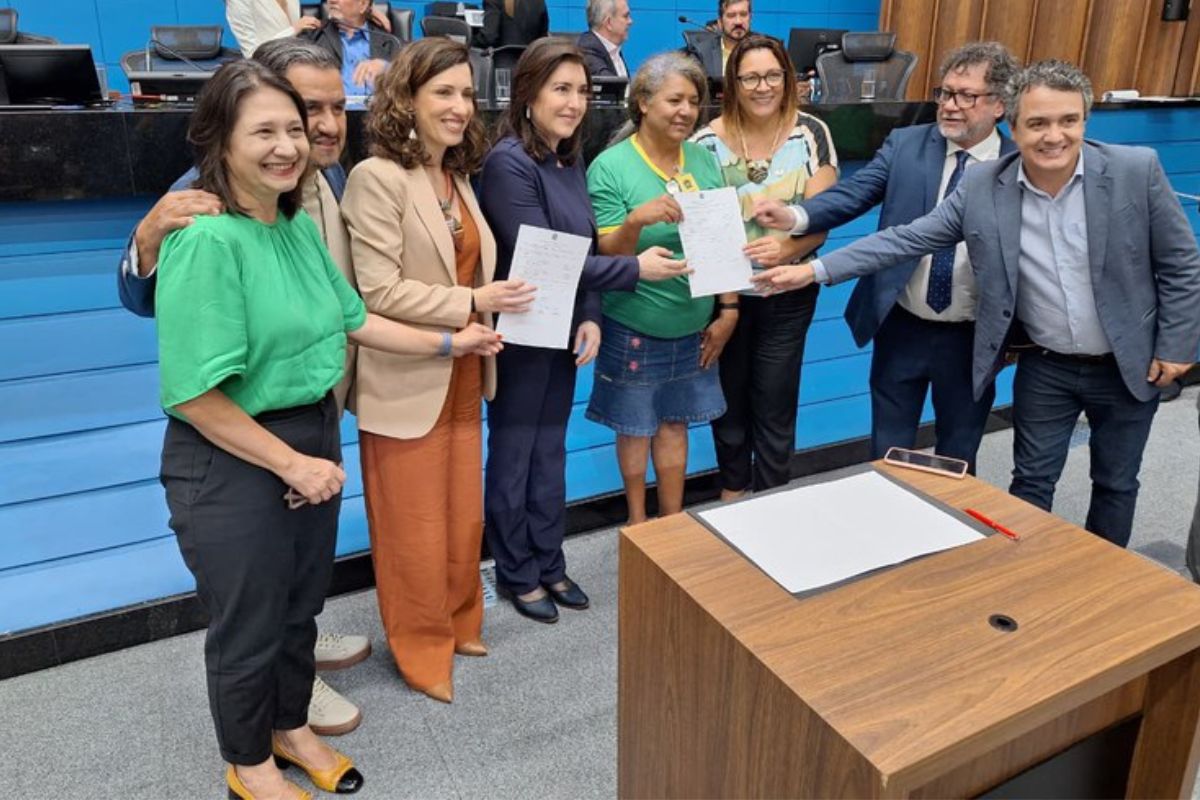
During a seminar at the State Legislative Assembly, measures were announced that directly reach rural families, quilombola communities, and settlements in the region.
The Ministry of Agrarian Development and Family Agriculture (MDA) presented initiatives that involve loans, property titles, incentives for women farmers, and even clean energy projects.
-
India’s Sugar Export Cuts and Ethanol Shift Amid El Niño Threat Could Impact Global Prices and Stocks

-
Quarantine Pest Threatening Palm Trees Puts Brazilian Authorities on Alert, Prompts Monitoring at University of Taubaté and Potential Control Measures Across São Paulo
-
Global Alert: Report Finds 159 Pesticides in Coffee Beans Sold in Europe, Posing Serious Risks to Millions of Farm Workers
-
Green Roofs on Homes Gain Popularity for Reducing Heat, Noise, and Rain Impact in Brazil



These initiatives represent important resources, amounting to millions of reais invested, in addition to recognizing the role of traditional communities.
Seals that value quilombola products and protocols to bring photovoltaic energy to the settlements were also announced.
Every detail is part of an effort to strengthen those who live and work in the countryside, uniting family agriculture and large producers in the pursuit of balanced development.
Land Credit Brings New Resources to Rural Families
The first highlight was the delivery of 13 contracts from the National Land Credit Program (PNCF). The total amount reached R$ 3 million and 800 thousand, allocated to families who can now count on this support to expand their production.
Additionally, there was the release of 445 credit contracts under the Women’s Empowerment Program, reaching a total of R$ 3 million and 560 thousand.
This action reinforces the space gained by women within the agricultural reform in Mato Grosso do Sul. Until the 1988 Constitution, they did not have direct access to the lots.
Today, the selection for new settlements recognizes female heads of families with extra points, increasing their chances of inclusion.
This incentive connects with the strengthening of family agriculture, which is an essential piece for food production throughout the country.
Rural Settlements Receive New Property Titles
Another important measure announced was the delivery of Definitive Domain Titles. In total, 167 families were benefited in Sidrolândia, Nioaque, and Campo Grande.
This step represents more legal security for those who live on the land and is part of the advancement of agricultural reform in Mato Grosso do Sul.
With this achievement, there are now 4,500 families incorporated into the National Agricultural Reform Program (PNRA) in the state.
The title ensures that farmers can invest more confidently in their properties, as well as opening doors for new financing.
These numbers reinforce the role of rural settlements, which are pillars in the process of social inclusion and food production that reaches Brazilian tables daily.
Quilombola Communities Recognized and Valued
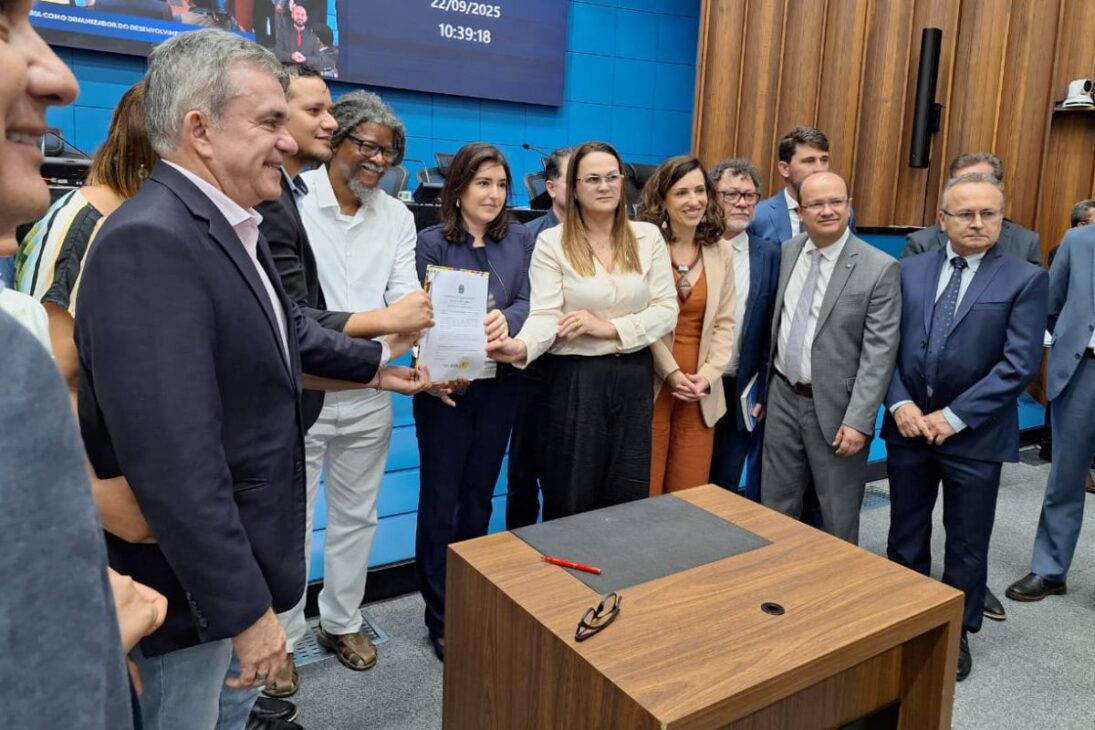
The event also included the regularization of the Quilombola Condominium Tia Eva, in Campo Grande. This achievement brings security and recognition to a community that is part of the history and culture of the state.
Additionally, the Quilombos of Brazil Seals were delivered, which identify and value products originating from quilombola work.
These actions reinforce that the agricultural reform in Mato Grosso do Sul is not limited to land distribution.
It also emphasizes the strengthening of identities and the valuing of traditional ways of life. This way, quilombola communities become increasingly visible, generating income and preserving knowledge that helps compose the diversity of the Brazilian countryside.
Sustainable Solar Energy Reaches the Settlements
One of the most significant announcements was the Protocol of Intentions to implement photovoltaic energy in the agricultural reform settlements in Mato Grosso do Sul.
The partnership with Itaipu National marks a step towards making these territories more sustainable. The arrival of clean energy means reduced costs and improved quality of life for settled families.
This investment directly connects the agricultural reform agenda with innovation and environmental responsibility.
Solar energy can help farmers expand their activities, reducing electricity costs and supporting new forms of production.
In this way, the presence of sustainable solar energy further strengthens family agriculture and creates conditions for the growth of settlements.








