






 Portuguese
  Spanish


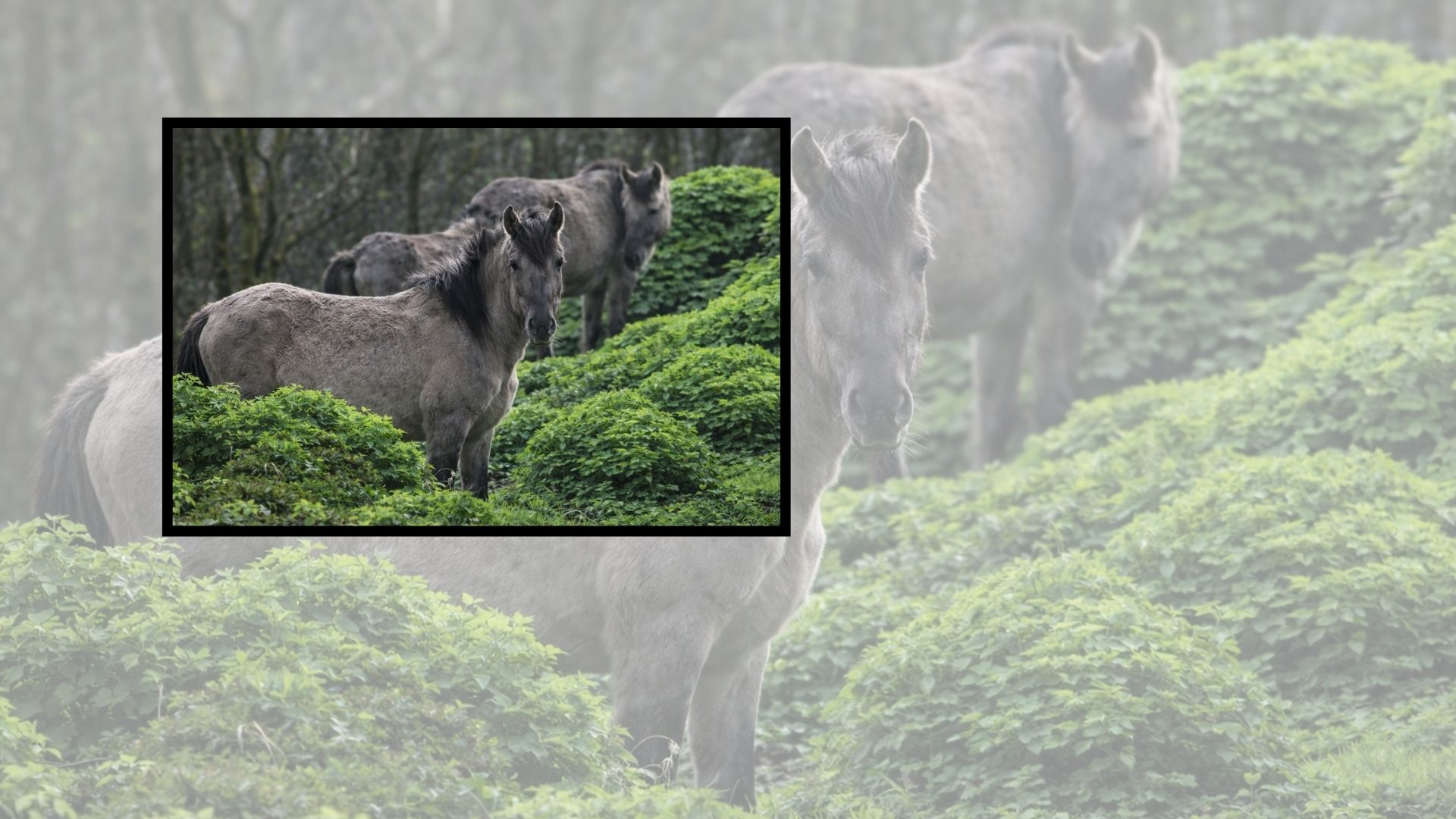


Experiment of Rewilding in the Highlands of Scotland Shows How Free Ponies Have Replaced Machines in Marsh Management, Altering Soil Structure, Opening Flooded Areas, and Influencing Habitats Used by Migratory Birds and Rare Species.
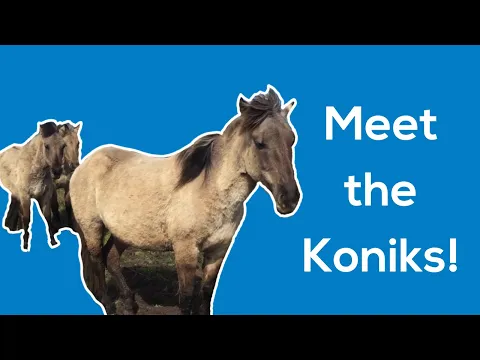
A group of Konik ponies, kept free and without supplemental feeding in wet areas of Scotland, has been used as an ecological management tool in restoration projects.
The strategy, adopted in reserves such as Loch of Strathbeg and Insh Marshes, aims to reduce reliance on mechanized mowing and restore habitats that have been choked by dense vegetation, with direct impacts on typical marsh and floodplain plants and birds.
The proposal follows the logic of rewilding, a term used to describe initiatives that attempt to reactivate natural processes with the presence of large herbivores and other ecosystem agents.
-
Brazilian Entrepreneur Turns Door-to-Door Jewelry Sales into a Family Business Empire with Over 70 Stores

-
$75 Million Bridge in Brazil Opens to Connect Cities, Create Jobs, and Cut Travel Time from 30 to 2 Minutes; Spanning 1.24 km, It’s Among the Country’s Largest and Ends Decades of Ferry Queues.

-
Brazilian Farmer Builds 8-Ton Tractor from Army Truck Engine, Plants Over 100 Hectares of Soybeans
-
11-Year-Old Entrepreneur Turns Fear of Bees into Honey Lemonade, Wins $60,000 on Shark Tank, Secures Whole Foods Deal, and Expands Brand Across U.S. Stores




Instead of machines, the change occurs through selective grazing, trampling, and opening clearings, effects that alter the terrain structure and create essential microenvironments for biodiversity.
The information is part of an experiment monitored by local conservation projects and was reported by the Folha da Vida channel, which documents environmental restoration initiatives in different countries.
Natural Grazing as an Environmental Restoration Strategy

For centuries, open landscapes and marshy areas in northern Britain coexisted with herbivores that constantly moved, consumed shoots, uprooted vegetation, and maintained mosaics of low and high areas.
With the intensification of human land use, this balance has been disrupted, with drainage of some areas, abandonment of others, and the advancement of dense and uniform vegetation, especially bulrushes and coarse grasses.
In marshes and floodplains, this process has reduced feeding and nesting areas for waterfowl and wading birds, species that depend on open and wet land to access food and identify predators.
Moreover, the more flooded areas became difficult to manage with tractors, increasing costs and requiring repeated interventions, as the vegetation regenerated quickly.
In light of this scenario, conservation teams began testing a different approach: allowing the animals to operate precisely where machines cannot reach, maintaining vegetation control continuously and naturally.
Loch of Strathbeg and the Transformation of the Coastal Marsh
Located on the northeast coast of Scotland, Loch of Strathbeg is considered the largest dune lake in the United Kingdom and a strategic point for migratory birds during winter.
The area hosts large concentrations of pink-footed geese, swans, and ducks, serving as a resting and feeding location along migratory routes.
Before the introduction of the ponies, the expansion of bulrushes and dense grasses was compromising plant diversity and reducing habitat quality for waterfowl.
Mechanical management only reached part of the area and could not operate in the wetter sections, requiring annual repetition.
It was in this context that eight Konik ponies were introduced to roam freely through the marsh.
The goal was simple: allow the animals to consume the coarser vegetation and, through trampling, create small depressions in the soil capable of retaining water and forming shallow pools.
One of the people involved in the project summarized the initiative by stating, “I definitely see the work we did as simply helping nature to restore itself.”
Over time, the presence of the ponies became associated with the formation of a mosaic of open areas, trails, low grasslands, and flooded zones, enhancing the possibilities for various species to use the environment.
Insh Marshes and the Floodplain of the Spey River
In the interior of Cairngorms National Park, the Insh Marshes reserve is situated within the floodplain of the Spey River and ranks among the most relevant wetlands in the region.
Over the decades, interventions such as drainage, construction of dikes, and changes in grazing pressure have altered the natural functioning of the floodplain.
Under these conditions, the absence of management favored the encroachment of shrubs and tall grasses, while excessive intervention could lead to soil degradation.
The adopted strategy combined different herbivores at controlled intensities, with Konik ponies primarily working in the wetter areas.
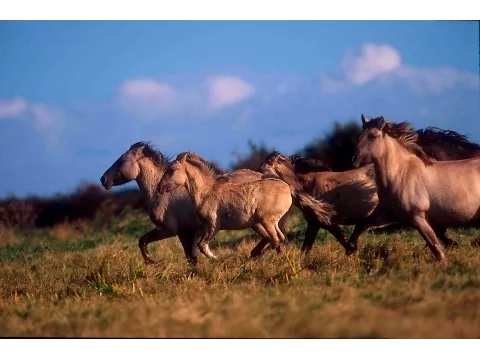
By moving through these sections, the animals create trails, clearings, and temporary puddles, increasing environmental heterogeneity.
These changes enhance the availability of food for insects and amphibians and favor ground-nesting birds, such as curlews and lapwings.
Living with Natural Risks and Public Debate
Rewilding projects with free-ranging animals also face challenges related to coexistence with extreme natural events.
In floodplain areas, swift floods and inundations are part of the ecological functioning, requiring monitoring and management protocols.
The visible presence of the ponies in these landscapes generates discussions about the degree of human intervention required in risk situations, a recurring theme in ecological restoration initiatives.
Still, managers highlight that the selection of areas, the reduced number of animals, and constant monitoring are part of the adopted strategy.
Biodiversity, Climate, and Careful Management of Peatlands
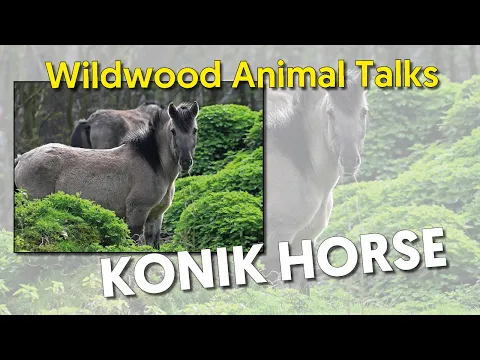
From an environmental perspective, using ponies in marsh management focuses on increasing biodiversity and reducing reliance on machines.
By keeping wet areas more open, the method favors smaller plants, expands microhabitats, and supports food chains linked to invertebrates.
In regions with peatlands, management is carried out with heightened care, considering the importance of these soils for carbon storage and water quality.
Therefore, animal density and terrain selection are treated as central elements of the planning.
Horses, Conservation, and Transforming Landscapes
In addition to Konik, native breeds from the Highlands are also being used in conservation projects, contributing to maintaining open areas and plant diversity.
Private and public initiatives discuss broader pathways for ecological restoration, including large areas designated for the recovery of natural processes.
These proposals fuel debates on land use, biodiversity conservation, and the coexistence of human activities with transforming landscapes.
As discussions progress, the ponies quietly continue their work in the marsh.
Each trail opened, each clearing formed, and each puddle created by a hoof alters the dynamics of water and life in the area.


