






 Portuguese
  Spanish
  3 min of reading
  0 comments


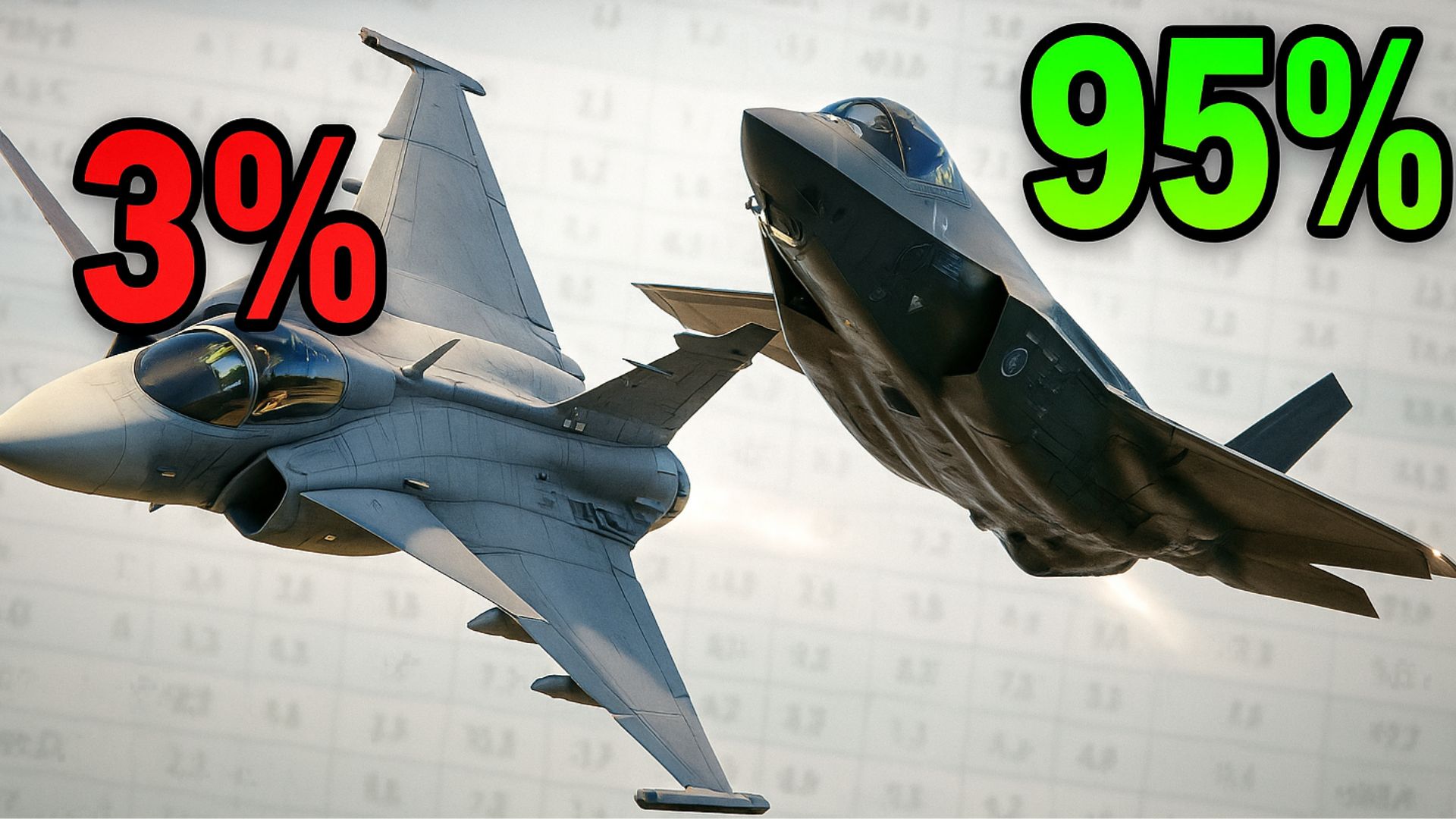
Forgotten Military Assessment Reignites Dispute Between Saab and Lockheed Martin as Canadian Government Reassesses Strategic Deals and Economic Impact
The following content presents an in-depth analysis of the results of a U.S. military assessment that rated the F-35 fighter far above the Gripen E, while also exploring the political, strategic, and economic effects of this comparison for Canada. The information emerged following a report by Radio-Canada, as detailed in the original article published by the portal Airway.
The dispute between the F-35 and Gripen E has returned to the center of the global military debate because the Canadian government is evaluating whether to confirm the Royal Canadian Air Force’s request for 88 F-35 aircraft or reconsider an alternative offer from the Swedish company Saab. The revelation of the Pentagon report reignites discussions about defense, sovereignty, and billion-dollar investments.
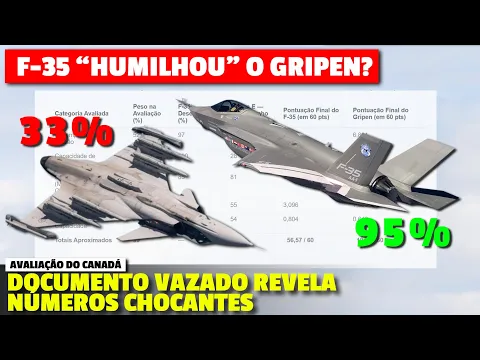

F-35 Scored 57.1 Points; Gripen E Scored 19.8 in Pentagon Test
In 2021, the U.S. Department of Defense conducted an extensive comparative evaluation between the two fighters to understand the effectiveness of each platform against modern military threats. The document, kept out of public debate until now, showed that the F-35 scored 57.1 points out of a possible 60, equivalent to 95% performance, while the Gripen E scored only 19.8 points, or about 33% effectiveness.
-
Helicopter Drops 180 Tons of Sand and Gravel on Swedish River to Revive Ecosystem Damaged by Decades of Exploitation

-
Brazilian Company Launches Retro Smartphone with 48 MP Camera, T9 Keyboard, and Privacy Features for Social Media-Free Use

-
Self-Taught Chinese Farmer Builds 5-Ton Submarine from Scrap, Launches It in Anhui River
-
Invisible Induction Technology Enables Wireless Power for Blenders, Coffee Makers, and Air Fryers, Reducing Countertop Cables





The difference, deemed “humiliating” by Canadian analysts interviewed by the national press, surprised even experts who already expected a victory for the F-35, a 5th generation aircraft with stealth capabilities, advanced sensors, and full integration in modern warfare scenarios. Even so, few imagined such a large margin over the Gripen E, which belongs to the 4.5 generation category.
| Category Evaluated | Weight in Evaluation (%) | F-35 — Performance (%) | Gripen E — Performance (%) | Final F-35 Score (out of 60 pts) | Final Gripen Score (out of 60 pts) |
|---|---|---|---|---|---|
| Mission Performance | 52 | 97 | 22 | 30.264 | 6.864 |
| Upgrade Capability | 28 | 100 | 28 | 16.800 | 4.704 |
| Sustainment (Maintenance and Operation) | 11 | 85 | 81 | 5.610 | 5.346 |
| Technical Criteria | 6 | 86 | 55 | 3.096 | 1.980 |
| Capability Delivery | 2 | 67 | 54 | 0.804 | 0.648 |
| Approximate Totals | 99 | — | — | ≈56.57 / 60 | ≈19.54 / 60 |
According to Radio-Canada, the report compared performance in multiple scenarios, including combat survivability, responsiveness to threats, and potential air superiority.
Saab Responds and Claims Gripen E is Simpler, Cheaper, and Easier to Maintain
Shortly after the fallout, Saab presented its position, emphasizing that while the raw performance of the Gripen E is more modest, the Swedish fighter offers significant advantages: simplified maintenance, lower operational costs, and a modular upgrade system that allows for improvements to be incorporated more quickly.
The Canadian government, however, already has an initial request for 16 F-35 jets paid, but still needs to confirm the remaining batches until reaching a total of 88 units. This decision directly depends on the economic impact that the contract will bring to the country, as well as the strategic needs of the Royal Canadian Air Force.
Lockheed Martin, for its part, promises industrial benefits exceeding US$ 15 billion throughout the program, a decisive element in large-scale negotiations within the defense sector.
Canadian Decision Involves Political Pressure, Local Industry, and Narrative Warfare
Canadian authorities state that they are reevaluating the economic, industrial, and strategic impacts of the final choice. Industrial offsets, technology transfer, and involvement of the national industry — including negotiations with Bombardier — remain under discussion.
If Lockheed Martin does not expand the benefits package, Canada may still reconsider an alternative offer from Saab, which is discussing the establishment of a Gripen E assembly line on Canadian soil. This possibility would please part of the country’s industrial sectors and increase local autonomy.
However, the vast performance difference recorded in the Pentagon report adds political pressure on the government, as opting for a fighter that scored only 33% compared to its rival could be exploited by the opposition, generating internal wear.
The Canadian dilemma demonstrates how large defense programs go far beyond performance numbers: they involve diplomacy, geopolitics, jobs, military alliances, and, in this case, billion dollars.




Be the first to react!