






 Portuguese
  Spanish


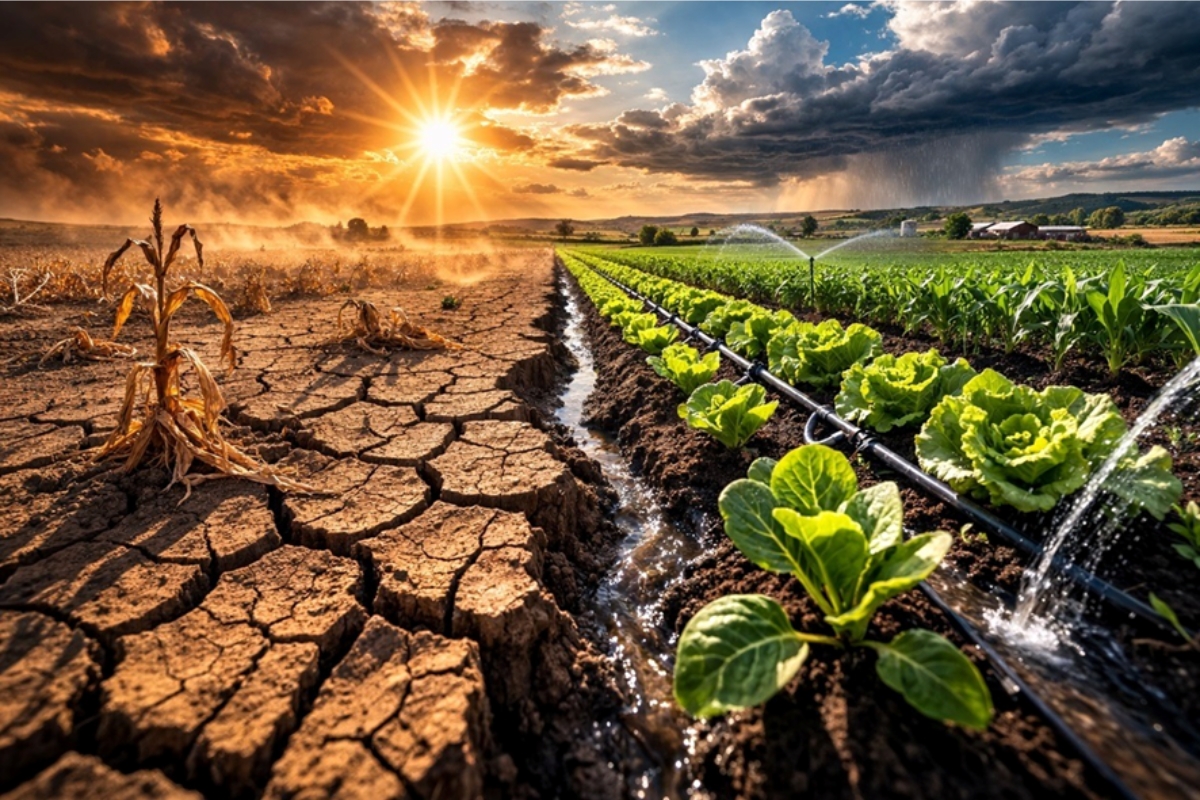


In The European Union And In The United Kingdom, Experts Identified Degradation In More Than 60% And 40% Of Agricultural Soils To Assess Environmental Impacts, Causing Greater Risk Of Droughts And Floods And Calling The Attention Of Environmental Organizations And Farmers.
A Silent Crisis Is Advancing In The European Agricultural Areas. A New Report Indicates That More Than 60% Of Agricultural Soils In The European Union And About 40% In The United Kingdom Already Exhibit Severe Degradation Caused By Intensive Agriculture.
The Problem Goes Far Beyond Agricultural Productivity. The Deterioration Of Soil Quality Reduces The Natural Capacity Of The Land To Absorb And Store Water, Which Intensifies The Effects Of Climate Change.
The Impact Was Immediate In Several Regions. Degraded Soils Favor Floods During Rainy Periods And More Severe Droughts During Dry Periods, Creating A Growing Scenario Of Food Insecurity.
-
Archaeologists Discover Nearly Intact 1,500-Year-Old Byzantine Mosaic with Greek Inscriptions, Including a Message to “Burst with Envy”

-
California Student Develops AI-Powered System to Detect Elderly Falls at Home, Even in the Dark, Earning Title of America’s Top Young Scientist

-
Workers Discover Ancient Sanctuary with Temples and Roman-Era Inscriptions While Clearing Bomb Debris for Highway Construction

-
Scientists Discover Over 600 Meteorite Glass Fragments in Northern Brazil, Evidence of a 6.3-Million-Year-Old Cosmic Impact with Unfound Crater


Experts Warn That Soil Recovery May Become One Of The Greatest Environmental Challenges Of The Coming Decades.
Intensive Agriculture Led Millions Of Hectares To Soil Degradation
The Expansion Of Intensive Agriculture In Recent Decades Increased Food Production, But Brought Profound Consequences For Soil Health.
Today, Estimates Indicate That Most Of The European Agricultural Areas Have Already Lost A Significant Part Of Their Natural Quality. Degraded Soil Exhibits Lower Fertility And Reduced Water Retention Capacity.
This Imbalance Directly Interferes With The Functioning Of The Natural Water Cycle. The Land Starts To Absorb Less Moisture During Rains And Loses Water More Quickly During Dry Periods.
The Detail That Attracted The Most Attention Was The Scale Of The Problem, Which Affects A Large Part Of The Main Agricultural Regions Of Europe.
Degraded Soil Increases Floods, Droughts And Food Insecurity Risk
Soil Degradation Is Directly Linked To The Effects Of Climate Change. When The Soil Loses Structure And Organic Matter, Its Capacity To Absorb Water Decreases Drastically.
As A Result, Heavy Rains Generate Greater Surface Runoff And Increase The Risk Of Flooding.
At The Same Time, Water Stops Being Naturally Stored In The Soil, Which Worsens Drought Periods.
According To Experts, This Imbalance May Compromise The Stability Of Agricultural Production In The Future. Food Insecurity Arises As A Possible Consequence If Degradation Continues To Advance.
Regenerative Agriculture Emerges As An Alternative To Restore Soil
Environmental Experts And The Save Soil Initiative Advocate For Urgent Actions To Recover The Quality Of Agricultural Lands.
One Of The Main Proposed Solutions Is Regenerative Agriculture, A Set Of Practices Aimed At Restoring The Natural Fertility Of The Soil.
Among The Suggested Measures Are Changes In Agricultural Subsidies And Public Policies That Treat Soil As A Strategic Natural Resource.
The Goal Is To Restore The Soil’s Capacity To Store Water And Nutrients, Reducing Climate Impacts And Ensuring Long-Term Agricultural Production.
What Once Seemed Only An Agricultural Problem Has Come To Be Viewed As A Global Environmental Issue.
Uncertainty About Funding Hinders Adoption Of Sustainable Practices
Despite The Growing Recognition Of The Problem, Soil Protection Incentive Programs Face Difficulties In The United Kingdom.
Some Of The Main Financial Support Mechanisms Face Uncertainties About Continuity And Funding.
This Situation Creates Insecurity Among Rural Producers. Many Farmers Hesitate To Adopt Regenerative Practices Without Guarantees Of Economic Support.
According To Experts, More Consistent Public Policies Can Accelerate The Recovery Of Agricultural Soils And Reduce Environmental Impacts.
Soil Degradation In Europe Shows How The Basis Of Food Production Can Be Compromised Over Time. The Discovery Draws Attention Because It Reveals That Food Security Directly Depends On The Health Of The Soil And The Decisions Made Today About Land Use.
Do You Believe That Modern Agriculture Needs To Change To Protect The Soil And Ensure Food In The Future? Share Your Opinion In The Comments.


