






 Portuguese
  Spanish


Learn How Petrobras’ Return to the Distribution of Cooking Gas Can Positively Impact Prices for Brazilian Families and Stimulate a Fairer and More Competitive Market.
The distribution of cooking gas is a central theme for millions of Brazilians who rely on this fuel to prepare their meals daily. In recent years, the price of liquefied petroleum gas (LPG), popularly known as cooking gas, has concerned families across the country.
Therefore, this scenario is directly linked to changes in the distribution model adopted by Petrobras, the state-owned company that, for decades, ensured the supply of the product at more affordable prices.
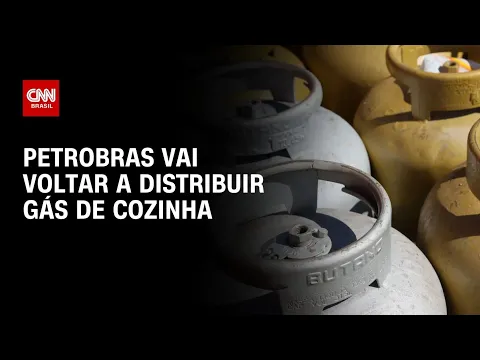
Thus, the recent announcement that Petrobras will resume the distribution of cooking gas reignites the discussion about how this change can impact consumers’ wallets. And, consequently, the national economy.
-
Petrobras Secures $2.2 Billion Contract to Build and Operate Four Support Vessels for Brazil’s Offshore Oil Fields

-
Oil production grows in Rio, but reserve replacement raises a warning sign

-
Petrobras is expected to complete the drilling of the Morpho well in the Foz do Amazonas in August 2026, the first well in the Equatorial Margin, an oil frontier that the ANP estimates at more than 30 billion barrels and could redraw the map of Brazil.

-
Oil returns to the center of concerns with tension between the US and Iran


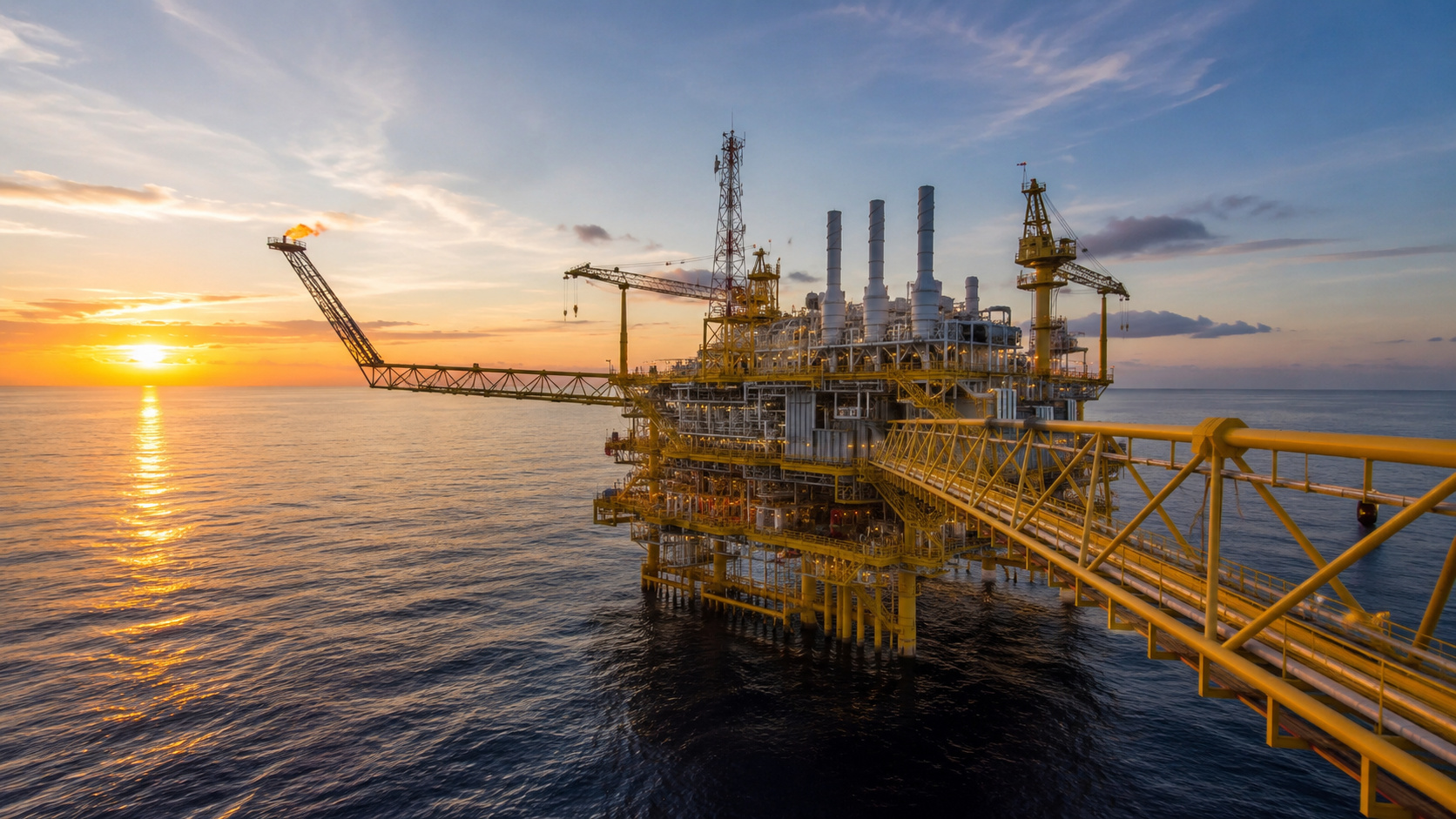


Historically, Petrobras has played a fundamental role in the LPG production chain, from oil extraction to final delivery to consumers. Until 2020, the state sold gas to distributors and, in many cases, marketed it directly to end users.
Therefore, this state control allowed for a pricing policy that considered social interest, seeking to avoid abusive price increases and ensuring gas reached Brazilian households at relatively stable prices.
Moreover, the importance of Petrobras’ role can be understood by looking at the country’s economic context. Over the past few decades, Brazil has faced several periods of economic instability, high inflation, and political crises, which directly impacted the cost of living for the population.
Thus, Petrobras’ presence in the distribution of cooking gas helped mitigate these difficulties as the company adopted policies that softened the impact of international oil prices on domestic consumers.
Impact of Increased Cooking Gas Prices on Brazilian Families
The rise in cooking gas prices is concerning because LPG is an essential item for a large part of the population, especially for low-income families. In many Brazilian homes, gas is the main energy source for cooking, indispensable for daily meals.
Therefore, when prices rise, this cost directly compromises household budgets, generating a cascading effect that can reduce the quality of life.
Experts point out that the increase in profit margins for intermediaries — distributors and resellers — contributes to this price elevation. According to economist Eric Gil Dantas from the Brazilian Institute of Political and Social Studies, the distribution and resale margin has nearly doubled since the privatization of Liquigás.
Before the sale, this margin was around R$ 28.67 and recently reached R$ 55.80, a growth of 92%. Thus, this means that the increase in gas prices is much more related to the actions of the private market than the cost of the raw material.
Furthermore, the concentration of the sector in a few private companies reduces competition and can encourage abusive pricing practices. Without Petrobras’ presence in the segment, which has objectives beyond profit maximization, the sector has been guided exclusively by the financial interests of these companies, which harms the final consumer.
The Importance of Petrobras’ Return to the Cooking Gas Market
Given this scenario, many see Petrobras’ decision to return to the distribution of cooking gas as a step to contain abusive prices.
Therefore, the state-owned company’s return to the sector can stimulate competition in the market, in addition to allowing for a pricing policy more aligned with the public and social interest.
Petrobras’ return could mark a new cycle for the company and the country, with the State reclaiming its role as regulator and controller of strategic economic sectors that directly impact people’s lives.
Thus, this movement signals that the company may return to acting not only as a producer but also as a balancing agent of economic and social interests.
However, Petrobras has not yet released concrete details about how this return will occur. It is unclear whether the company will resume direct sales of gas to end consumers or if it will partner with existing distributors.
This uncertainty generates expectations but also reinforces the need for a clear strategy to ensure real benefits for the population.
It is important to highlight that the issue of fuel prices in Brazil is not limited to cooking gas. Products like gasoline and diesel have also seen increases for consumers, despite the reduction in prices charged at Petrobras’ refineries.
Data from the National Agency of Petroleum, Natural Gas and Biofuels (ANP) indicate that while there was a nearly 24% reduction in diesel prices at refineries between 2023 and 2025, the final price for the consumer did not drop significantly. On the other hand, gasoline had a slight decrease at refineries but increased in retail.
These facts highlight that the issue of fuel pricing involves the entire commercialization chain, from production to final sale.
Consequences of Privatization and Dismantling of Petrobras
In the case of cooking gas, Petrobras’ absence from the distribution segment contributed to rising prices, as private distributors took advantage of the situation to raise their profit margins.
This scenario is part of a broader process of dismantling and de-nationalization of Petrobras that occurred between 2015 and 2022, a period marked by privatizations and a reduction in the company’s role in the internal market.
During this time, the country witnessed the weakening of Petrobras’ ability to operate as an integrated company present throughout the oil and gas chain. Thus, this reduction in the state-owned company’s prominence directly reflected the internal market’s vulnerability to speculative movements and private interests.
Experts argue that to regain stability in fuel prices, especially cooking gas, the government and regulatory bodies need to act more broadly. Thus, the involvement of entities such as Procon, the Ministry of Mines and Energy, and ANP itself is essential to curb abuses and ensure that reductions in refinery prices reach the end consumer.
Additionally, Petrobras’ return to the distribution of cooking gas can strengthen the national economy by restructuring an integrated company that operates from production to commercialization, aligning its prices with social and national interests. In this way, the company can play a balancing role in the market, combating the private oligopoly and providing fairer prices.
Society Support and Hope for the Consumer
Petrobras’ decision also has the support of entities such as the Unique Federation of Oil Workers (FUP), which classified the measure as “strategic.” However, FUP emphasizes that there are still important points to be debated, such as the state-owned company’s return to the distribution and commercialization of other fuels, such as gasoline, diesel, alcohol, and lubricants, which also went through privatizations.
For consumers, the main desire is to see a reduction in cooking gas prices in their daily lives, making the product more accessible and preventing the cost of household food from becoming increasingly burdensome. Therefore, Petrobras’ return to the distribution segment represents a concrete hope that this goal will be achieved.
Finally, the current scenario reinforces the importance of public policies that consider the social impact of fuel prices, especially for essential items like cooking gas. Thus, Petrobras’ control over the distribution of cooking gas, a state-owned company committed to public interest, can be an effective way to ensure that gas reaches all Brazilians at fair prices, contributing to the reduction of inequalities and the well-being of the population.







Trabalho no setor de revenda de gás 21 anos e o que vejo é que aqui do varejo pra consumidor não mudou nada desde quando a Petrobrás era dona da Liquigás. Se não tiver corrupção, ganância dos distribuidores e uma fiscalização da Anp no mercado acabando com clandestino talvez o gás chegue na casa do consumidores mais barato. Agora a Anp só fiscaliza empresas legalizadas, não tem mão de obra e pra facilitar a vida deles vão todas as fiscalização nas mesmas empresas toda vez.