






 Portuguese
  Spanish
  3 min of reading
  0 comments



The U.S. Army Is Developing Revolutionary In-Flight Recharging Technology That Will Allow Drones To Stay In The Air Indefinitely. Discover How This Innovation Could Transform The Future Of Warfare!
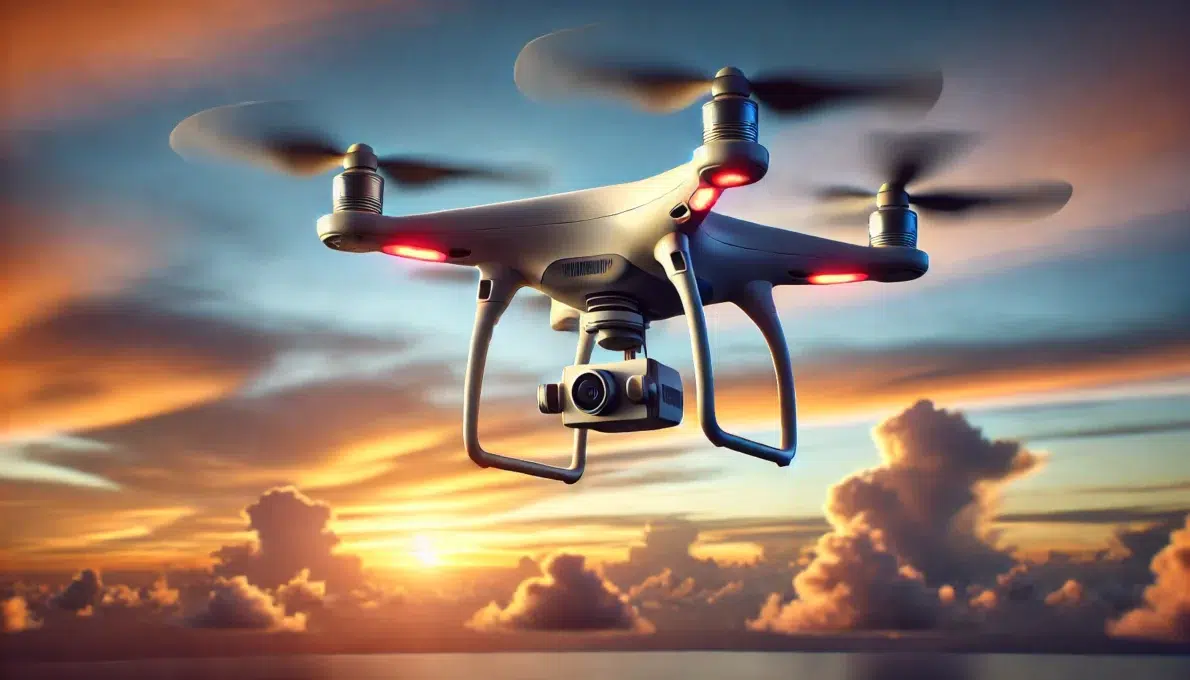
The U.S. Army is on the verge of a major revolution in unmanned aerial vehicle (UAV) operations, with the development of in-flight recharging technology that can keep drones in the air indefinitely.
The Army Research Laboratory, part of the Combat Capabilities Development Command and located in Maryland, has patented a system that uses support drones to recharge other drones in flight, an innovation comparable to aerial refueling of jets.
The Key To Aerial Recharging
The technology is based on a concept of “tethered drones,” allowing these vehicles to fly connected to recharging cables powered by a base station.
-
Helicopter Drops 180 Tons of Sand and Gravel on Swedish River to Revive Ecosystem Damaged by Decades of Exploitation

-
Brazilian Company Launches Retro Smartphone with 48 MP Camera, T9 Keyboard, and Privacy Features for Social Media-Free Use

-
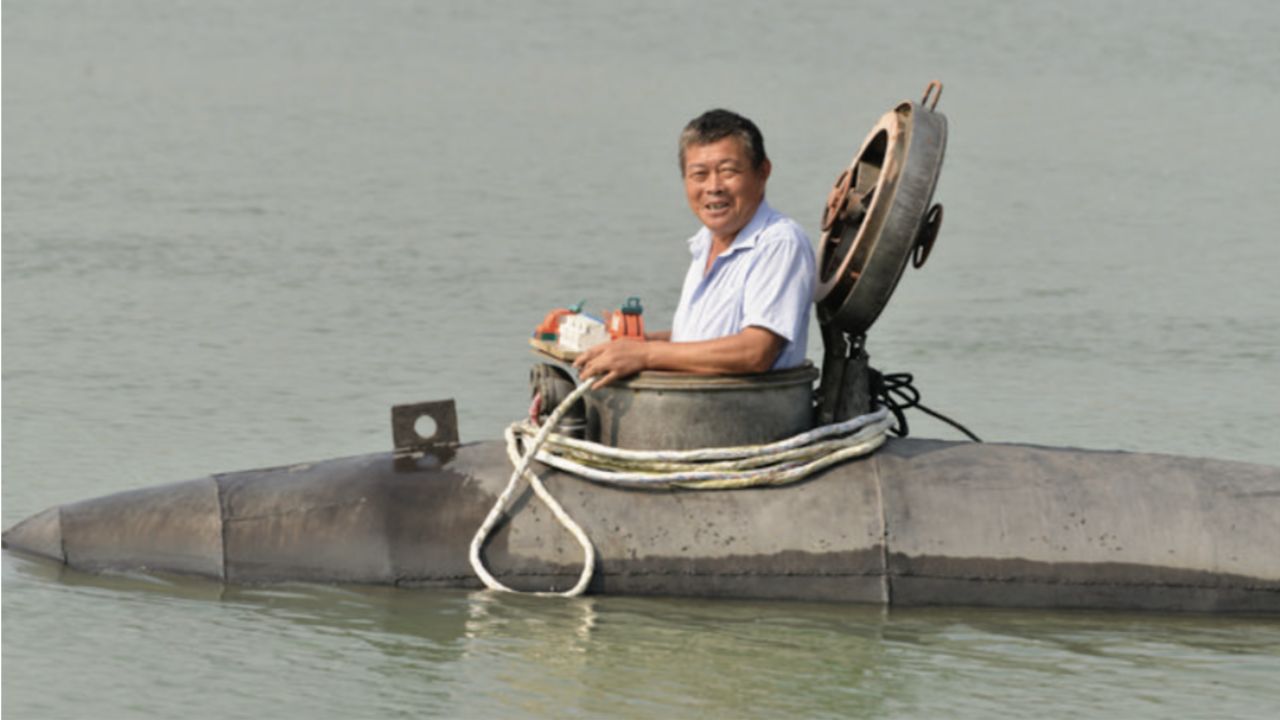
Self-Taught Chinese Farmer Builds 5-Ton Submarine from Scrap, Launches It in Anhui River
-
Invisible Induction Technology Enables Wireless Power for Blenders, Coffee Makers, and Air Fryers, Reducing Countertop Cables




The system involves a lead drone, which carries a special cable extending from the base station, transferring energy to other drones in flight. Thus, these devices can connect and disconnect to carry out independent missions after recharging.
These tethered drones, being connected to a cable of fixed length, can operate for long periods, receiving power directly from the ground source.
This system allows one or multiple rechargeable drones to carry out prolonged missions, such as long-range surveillance, significantly increasing their operational effectiveness.
Drone Coupling And Decoupling Mechanism
The centerpiece of the patent is the coupling and decoupling system during flight. The tether cable has several connection points along its length, allowing these devices to connect for recharging at different points, ensuring operational flexibility.
Each of these coupling points is equipped with elements that ensure energy transfer, as well as magnetic systems that facilitate automatic connection and disconnection.
The use of tethered drones with an in-flight recharging system has clear advantages, such as continuous surveillance from different angles, navigation through complex environments, and greater security, concealing the location of the ground station supplying power.
Expanding The Capabilities Of UAVs
The battery lifespan has always been one of the main challenges for drone use, especially in long-range military operations. Currently, most UAVs are powered by electric batteries, which offer flight time limitations.
On the other hand, drones powered by fossil fuels can fly greater distances but come with environmental and logistical downsides.
The new in-flight recharging technology aims to overcome these limitations, allowing these electric devices to remain aloft indefinitely.
Several companies and countries are investing in this technology. A recent example is the partnership between Elistair, a company specialized in long-duration drone systems, and Rheinmetall Canada Inc.
Together, they aim to offer Intelligence, Surveillance, and Reconnaissance (ISR) solutions that combine automated drones with unmanned ground vehicles (UGVs), expanding military operational possibilities.





Be the first to react!