






 Portuguese
  Spanish


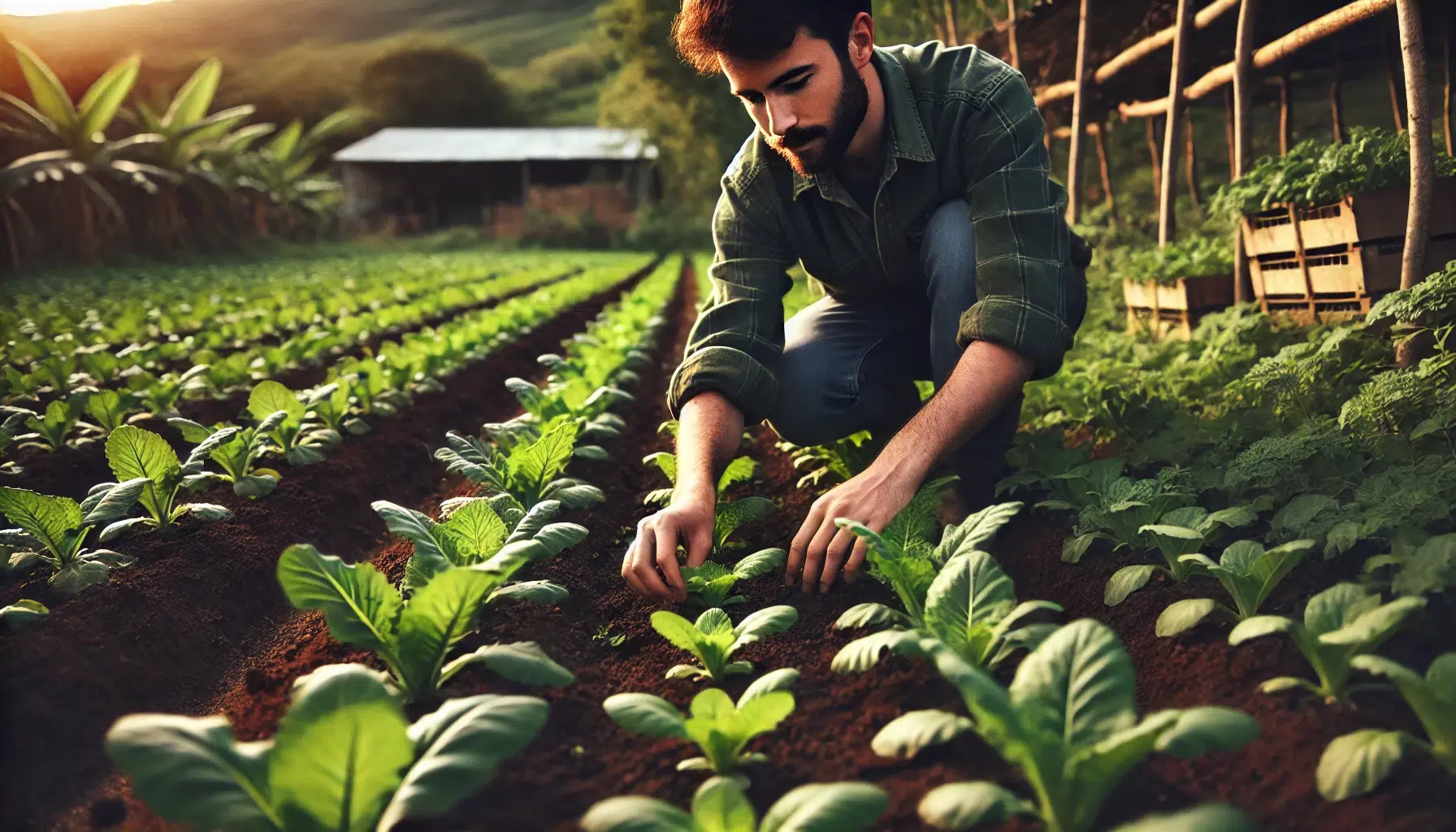


After Decades of Exclusive Treatment with Organic Fertilizers, Researchers Make a Surprising Discovery About the Fertility and Sustainability of Agricultural Lands.
With the significant increase in carbon dioxide (CO₂) levels in the atmosphere over the past few decades, the search for effective solutions to mitigate the impacts of climate change becomes more urgent. Agriculture emerges as a key player in this effort, especially given the ability of soils to function as carbon sinks when managed properly.
Researchers from Kansas State University (K-State) led an innovative study on how different agricultural practices influence carbon storage in the soil.
For over two decades, they analyzed samples from a cornfield in Kansas that uses the no-till planting method. This agricultural system, which avoids soil disturbance, is recognized for its benefits to soil health and carbon capture.
-
AI Security System in Brazil Aims to Cut False Alarms by Differentiating Pets from Intruders, Enhancing 24/7 Monitoring for Homes and Businesses

-
Archaeologists Discover 1,500-Year-Old Byzantine Mosaic with Greek Biblical Inscription in Israel, Uncover Ruins of 10 Buildings Near Kiryat Gat
-
Ohio Carpenter Finds 308-Gram Meteorite the Size of a Baseball After Dreaming of Its Location

-
Chinese Student Builds Humanoid Robot for $2,100 at Age 20, Now Leads Robotics Startup in China



Organic Fertilization as a Highlight
In the experiment, scientists compared three soil management approaches: chemical fertilization, organic fertilization (compost or manure), and no fertilization. The study, published in the Soil Science Society of America Journal, revealed that the soil treated with organic fertilizers contains significantly more carbon than the other two groups.
The use of advanced technologies, such as the Canadian Light Source and the Advanced Light Source in Berkeley, allowed the team to observe the carbon stored in soil pores and its adherence to specific minerals. According to Professor Dr. Ganga Hettiarachchi, the study’s leader, this approach provided unprecedented insights into the mechanisms of carbon retention, with organic soil demonstrating a clear advantage.
Microorganisms and Minerals: Allies in Carbon Sequestration
A notable discovery was the higher presence of microbial carbon in the soil fertilized with organic compounds. These microorganisms, essential for the composition of organic matter and nutrient cycling, thrived in these treatments, making the soil more alive and healthy. Additionally, minerals such as calcium and iron were identified as important for carbon retention, collaborating with essential chemical and biological processes.
“This study is a milestone, as we were able to see directly how organic treatments improve soil health, increasing its carbon storage capacity,” Hettiarachchi stated. He also highlighted that the data could help develop more sustainable agricultural practices on a global scale.
Regenerative Agriculture: Solutions for a Planet in Crisis
The research reinforces the role of regenerative agriculture, a model that goes beyond food production to focus on ecosystem recovery and soil health. This type of management can not only sequester large amounts of carbon but also combat soil degradation and improve its fertility in the long term.
As the global population grows, practices such as applying organic fertilizers show promise. In addition to contributing to climate change mitigation, these strategies promote microbial biodiversity and increase crop resilience in the face of extreme weather events, such as droughts.
Toward a More Sustainable Agriculture Future
The study’s results are also valuable for predictive refinery models that estimate how agricultural practices influence carbon sequestration. Understanding the roles of minerals, chemistry, and microbial activity is crucial for developing optimized solutions that maximize carbon storage in the soil.
By adopting sustainable practices such as using compost or manure and no-till farming, agriculture can become a powerful ally in the fight against climate change. More than just ensuring healthy crops, these practices offer a path to a greener and more balanced future.
Summary in a Simple Perspective
Imagine that the soil of a farm is like a special vault capable of storing gases that are removed to combat global warming. A group of scientists studied different types of “food” for this soil: chemical fertilizers, organic compounds, and no fertilizers. They discovered that soils treated with compost or manure store more carbon and have more microorganisms, as if they were small natural health factories.
With advanced tools, researchers aim to see how carbon binds to specific minerals in soil pores. This makes the use of organic fertilizers a promising strategy for protecting the environment and improving agricultural productivity.
The study emphasizes the importance of adopting agricultural practices. Well-managed soils rich in microbial life can be allies in carbon capture and the fight against climate change. It is a small step in the field that represents a giant leap for the planet.





Se o homem não tivesse focado bastante na ganância pelo dinheiro,e tivesse feito investimento na pesquisa a mais tempo, estaria bem mais avançado,temos que ver também é a questão do lixo pra reciclagem, saneamento, poluição dos rios etc. Precisamos mais de políticas públicas com sustentabilidade,sem agredir o meio ambiente .