Portuguese
  Spanish


Discover How Rio de Janeiro Can Become the Leader of the Energy Transition in Brazil, Driving Innovation and Renewable Energies for a Sustainable and Diversified Future.
The City of Rio de Janeiro has always been one of the main economic centers of Brazil, especially due to its importance in the oil industry. Since the early 20th century, the state has stood out as the cradle of oil exploration in the country, housing large reserves and the base of companies that have propelled national development.
However, in light of the global environmental challenges and changes in energy matrices, Rio de Janeiro now has the opportunity to take on an even more relevant role: that of leader of the energy transition in Brazil.
The energy transition represents a deep transformation in the way the world produces and consumes energy. It is a movement that replaces traditional fossil fuel-based sources with renewable and more sustainable sources, such as solar, wind, biomass, and other clean technologies.
-
Brazil to Hold First Auction for Batteries to Store Solar and Wind Energy from the Northeast

-
Brazilian scientists are simultaneously advancing two research projects on clean hydrogen and driving solutions that could transform the energy matrix, enhance industrial competitiveness, and accelerate large-scale emission reduction targets.

-
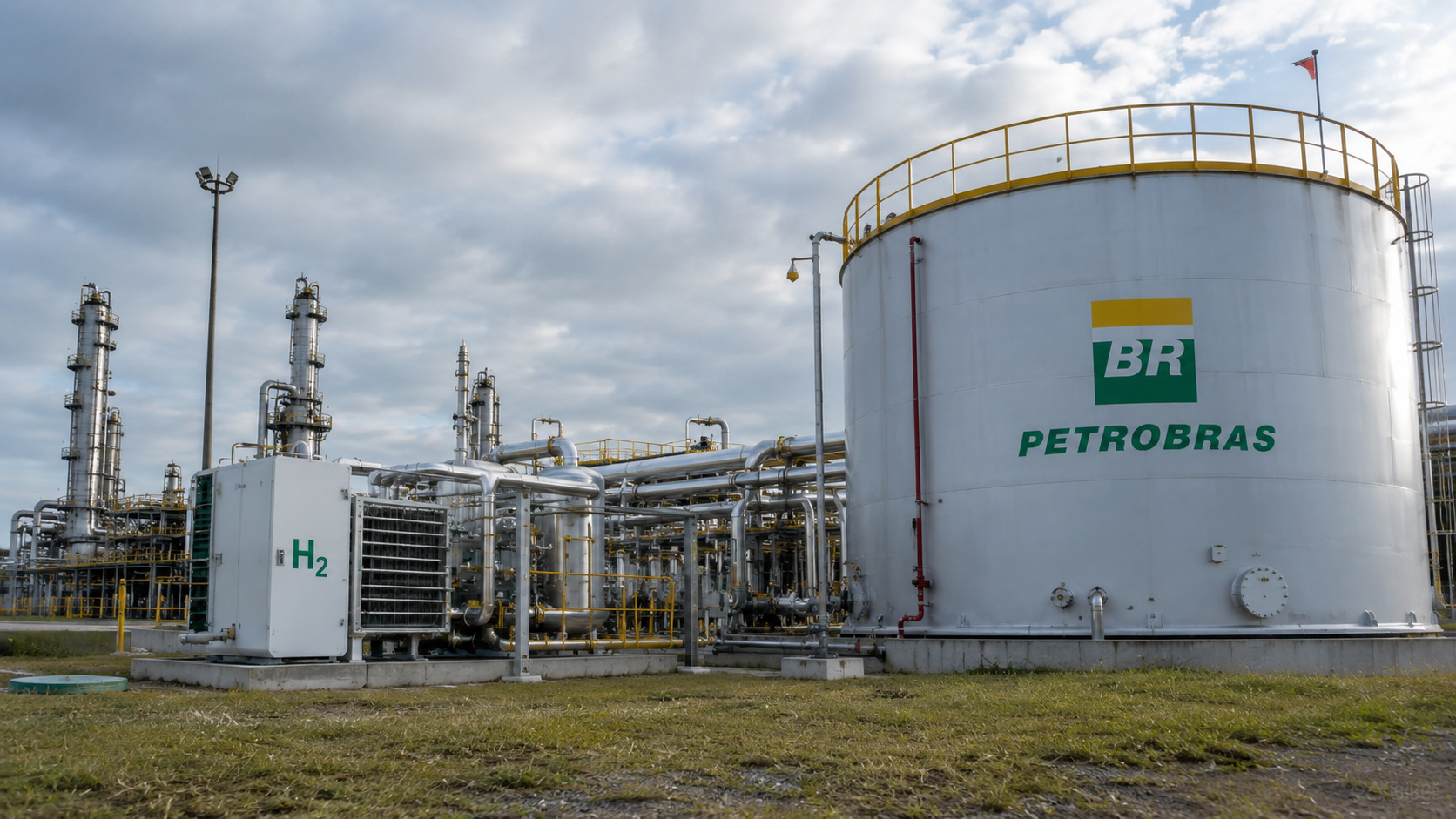
Advancement in renewable energy: A R$ 150 million project launched by Petrobras and Finep aims to create state-of-the-art electrolyzers for green hydrogen, strengthening national research and preparing Brazil to compete in a billion-dollar energy market.
-
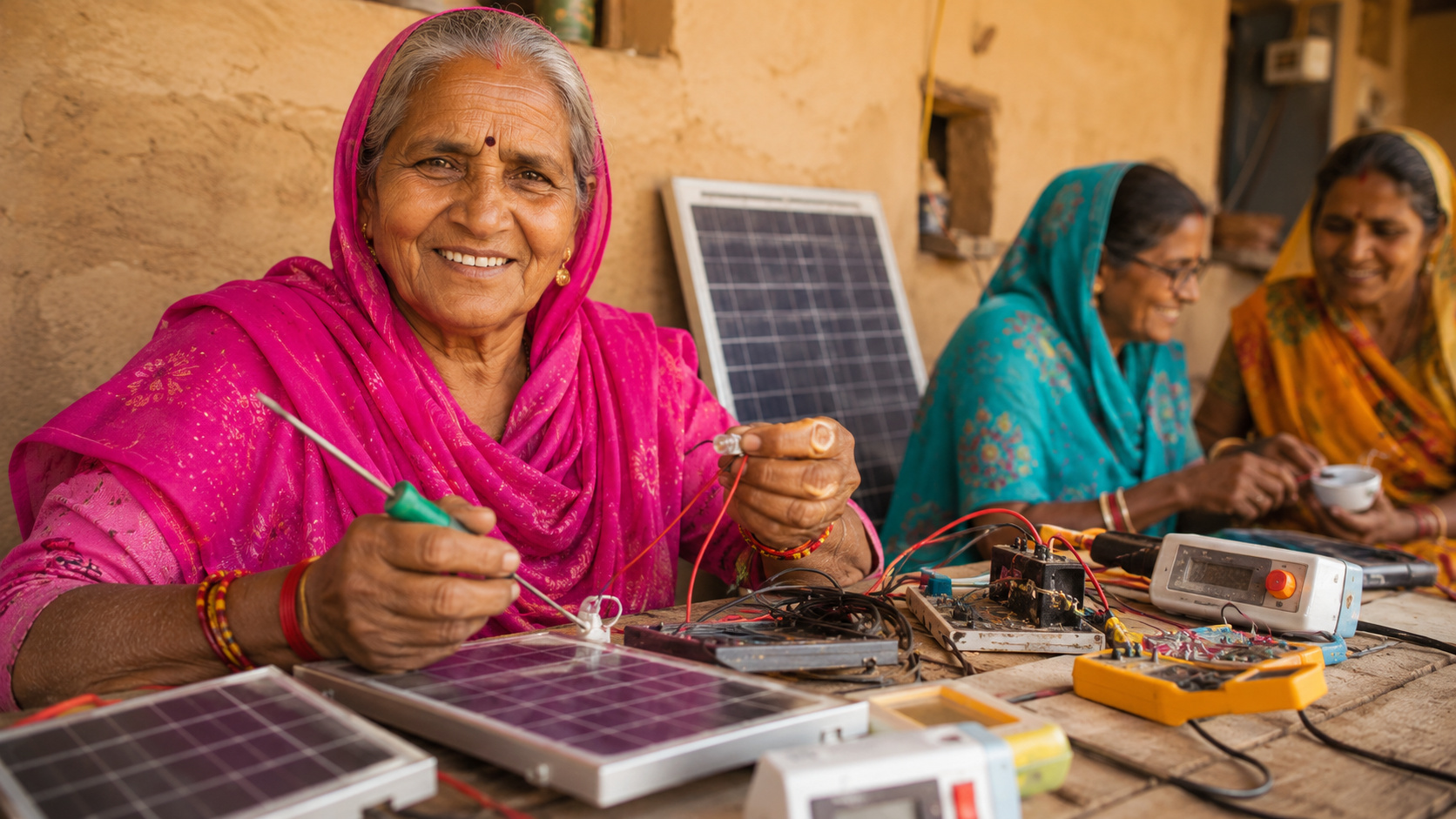
Illiterate or semi-literate grandmothers were trained to repair solar systems, open rural workshops, and light up homes that still depended on kerosene.

This change not only combats climate change but also opens a range of economic and social possibilities.
Historically, Rio de Janeiro built its wealth and development on oil. The oil industry marked the state’s economy for decades, generating jobs, infrastructure, and attracting national and international investments.
However, the intensive use of fossil fuels causes significant environmental impact, increasing greenhouse gas emissions. This reality thus requires an immediate and strategic response to ensure a more sustainable future.
Additionally, the dependence on oil and natural gas places the state at risk of economic challenges associated with fluctuations in international oil prices. This volatility can jeopardize investments and regional economic stability.
Therefore, diversifying the energy matrix is not just an environmental issue but also a economic necessity to ensure sustainable growth and job creation.
Innovation and New Technologies for Clean Energies
In recent years, Rio de Janeiro has stood out for its commitment to innovation and the development of alternative energy sources. The state does not limit itself to traditional renewable sources, such as solar and land-based wind energy, but broadens the horizon to more advanced technologies.
Among them, thermal solar energy stands out, which uses solar heat to heat water and industrial processes. This technology is especially useful for industrial sectors that depend on large amounts of energy for heating, representing a significant portion of energy consumption.
Additionally, residential projects and housing programs can incorporate this technology to improve energy efficiency and reduce costs for families.
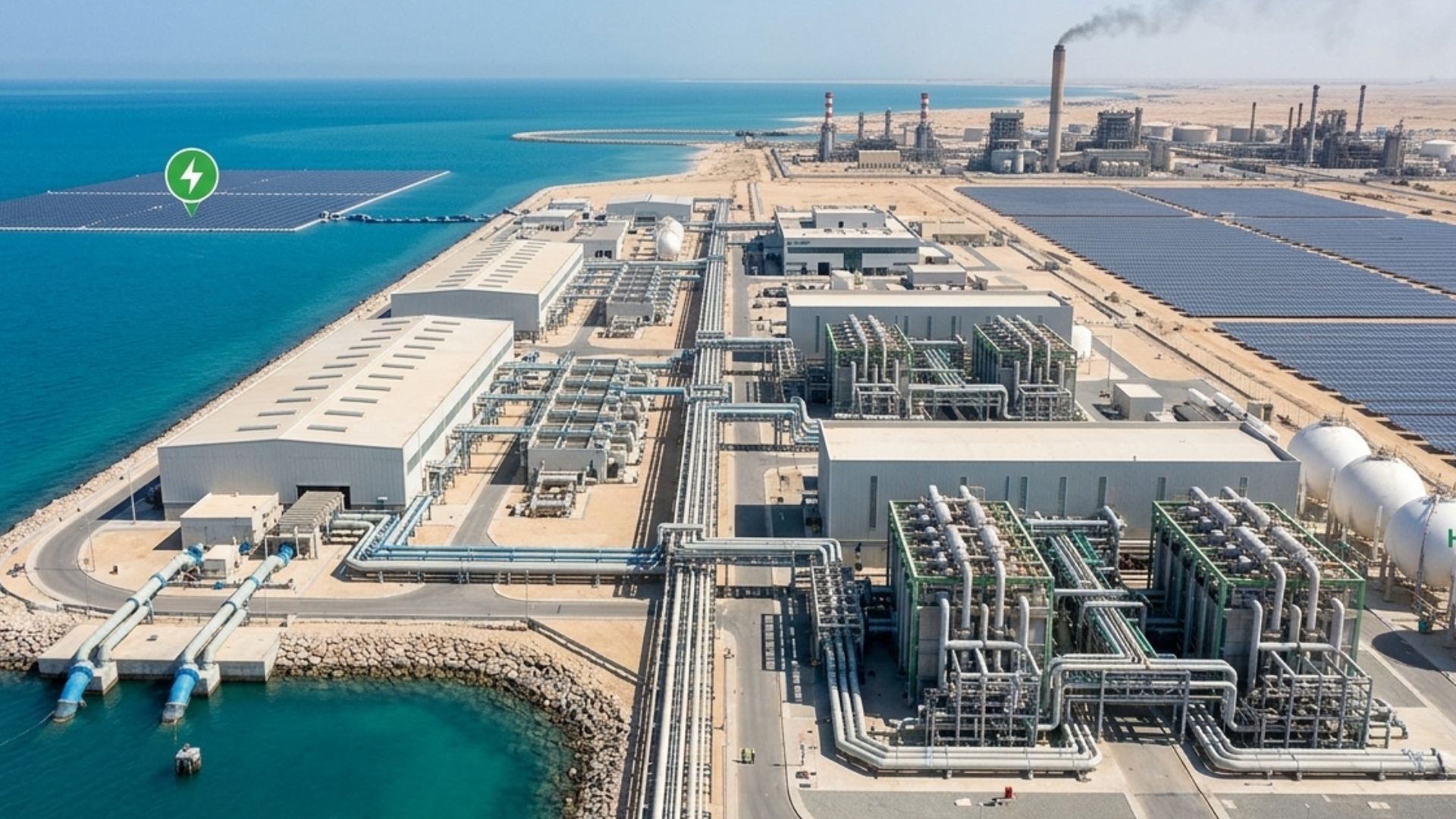
Another field that places Rio in a strategic position is the development of offshore wind energy, that is, the generation of wind energy at sea. This technology has gained ground in the global scenario due to its ability to generate large volumes of energy without occupying urban or agricultural areas.
Although still in its initial phase in Brazil, Rio de Janeiro has favorable geographical conditions to install offshore wind farms, taking advantage of its extensive coastline and existing port infrastructure.
Offshore wind energy is one of the most promising sources for the future since winds at sea are more constant and strong, ensuring greater efficiency in generation.
Furthermore, developing this sector can create a local production chain, from manufacturing components to specialized services, generating skilled jobs and encouraging research.
Rio de Janeiro, due to its coastal location and favorable geological characteristics, is among the most suitable places in Brazil for this technique, which can significantly help to reduce the country’s total emissions.
Partnerships and Incentives to Accelerate the Transition
Rio’s quest to become the leader of the energy transition also involves dialogue and cooperation among different sectors of society.
Recent events and debates brought together authorities, researchers, entrepreneurs, and civil society to discuss strategies that enhance the use of renewable energies and technological innovation.
This union of efforts creates a favorable environment for investment and sustainable development.
The private sector plays a crucial role in this process, bringing capital, technology, and knowledge to accelerate the implementation of projects.
National and international companies show interest in investing in Rio, recognizing the state’s potential as a clean energy hub.
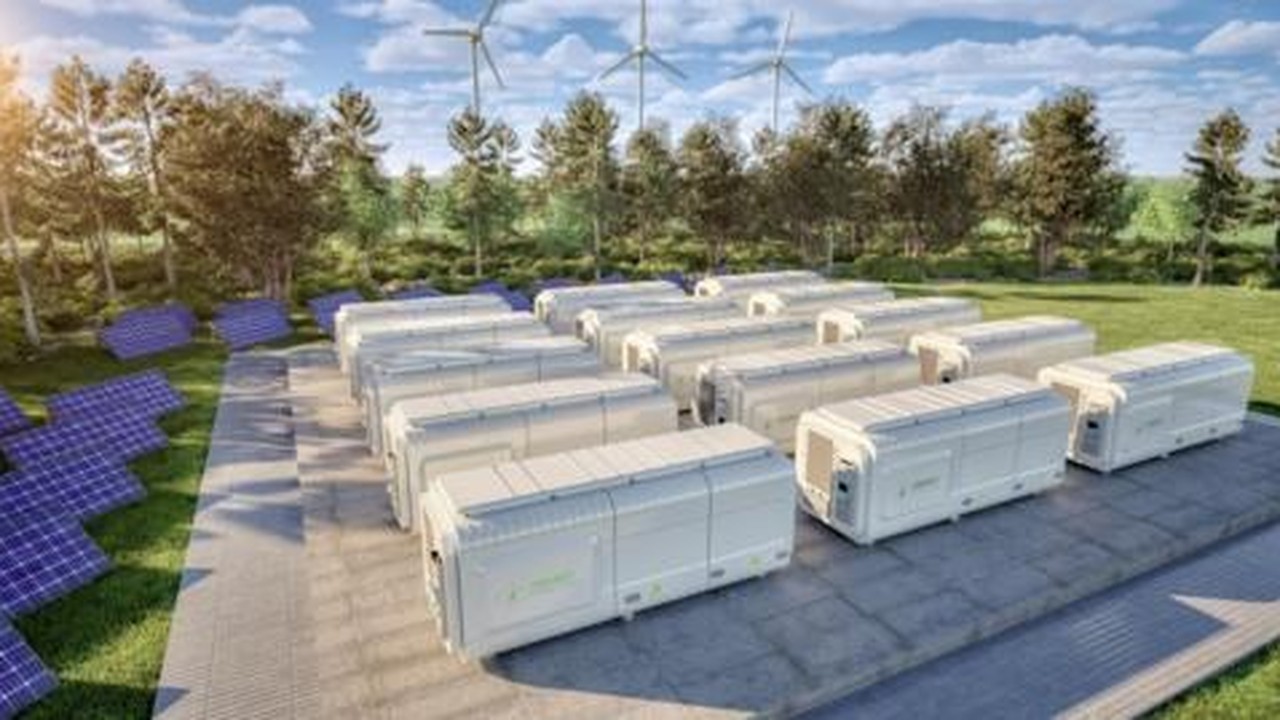
Investments in energy generation and storage are seen as business opportunities that also reduce environmental impacts.
Another important point for advancing the energy transition in Rio is encouraging public policies that promote the use of renewable sources in homes, industries, and large housing programs.
Solar heating, for example, could replace a large part of the electricity consumption for heating water in homes and industry.
This change helps to reduce the demand for electricity generated from fossil sources, contributing to a cleaner and more efficient energy matrix.
To ensure these transformations happen on a large scale, the state needs to guarantee a stable regulatory environment and clear public policies that encourage investments and innovation.
Tax incentives, specific financing lines, and vocational training programs are examples of measures that accelerate the energy transition process.
Potential of Rio as Leader of the Energy Transition in the National and International Context
The historical context of Brazil also favors this transformation.
The country has a relatively clean electricity matrix, based on hydropower and a growing participation of renewable sources such as solar and wind.
Rio de Janeiro can accelerate this process, integrating innovative technologies and fostering a diversified and sustainable energy model.
This path not only reduces environmental risks but also generates skilled jobs and local technological development.
Moreover, the potential for solar and wind energy in Brazil is enormous.
Studies indicate that the country can expand its installed capacity several times beyond current demand, especially if it takes advantage of areas with high solar incidence and constant winds, such as coastal regions.
Rio de Janeiro, with its strategic position, can serve as a hub for the development and dissemination of these technologies, attracting investments and fostering the local production chain.
In addition to generating clean energy, this technological expansion strengthens the local industry, creating new opportunities in research, development, and equipment manufacturing.
This positions Rio de Janeiro not only as a consumer but as a key player in the global renewable energy market.
By taking on the role of leader of the energy transition, Rio de Janeiro also reinforces its contribution to national and international carbon emission reduction goals.
Brazil has made commitments to achieve carbon neutrality by 2050, which requires intensive efforts to reduce deforestation, restore degraded areas, and replace fossil sources with renewables.
The prominence of Rio helps to accelerate these advances, showcasing a model of sustainable development.
Social and Economic Aspects of the Energy Transformation
Finally, it is important to highlight that the energy transition involves not only environmental or technical issues but also social and economic aspects.
The creation of new jobs, income generation, and the strengthening of the local economy are direct benefits of this process.
By diversifying its energy matrix, Rio de Janeiro reduces dependence on fossil fuels, increases energy security, and expands opportunities for the population.
The development of a diversified energy economy promotes social inclusion, with training for local labor for new technical and operational roles, reducing inequalities and fostering sustainable growth.
Moreover, local communities can benefit directly from renewable projects, with energy generation closer to them and potentially lower tariffs.
In summary, Rio de Janeiro has all the conditions to become the leader of the energy transition in Brazil.
Its history linked to oil, combined with a commitment to innovation, a wealth of natural resources, and the active participation of different sectors makes the state an example of how the energy transformation can be a pathway to sustainable development.
Investing in renewable energies, carbon capture, and clean technologies places Rio at the forefront of a more responsible and promising energy future.