Portuguese
  Spanish


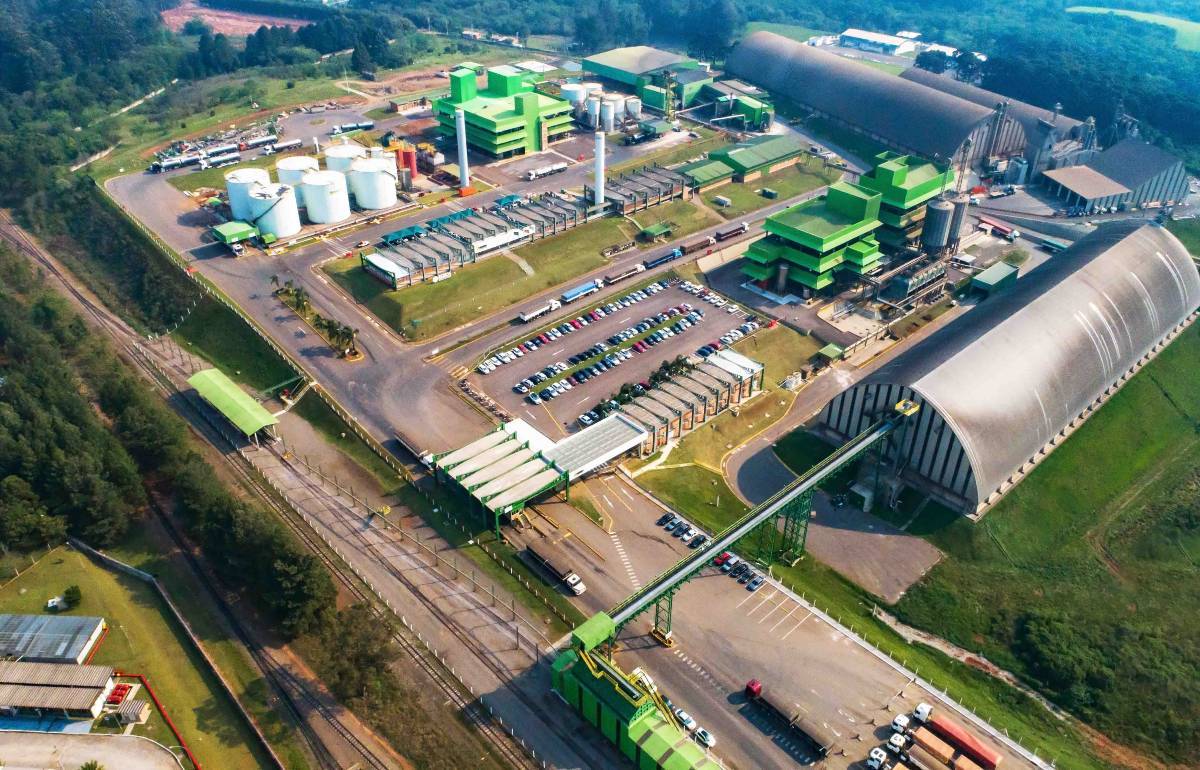

New Plant of the Company BSBIOS Will Make Rio Grande do Sul Self-Sufficient in Ethanol Production. With the Installation of the Factory and the New Plant, the City Will Become Independent in Product Manufacturing and Will Also Bring the Generation of Thousands of Jobs.
Last Tuesday (07/26), BSBIOS, the company with the largest diesel production in the country, announced its intention to make Porto Alegre self-sufficient in the ethanol production sector with its new installed plant. The company already has two other plants, one in Passo Fundo (RS) and the other in Marialva (PR).
BSBIOS Aims to Bring the Municipality Back to Its Roots with New Ethanol Plant
In this sense, the CEO of BSBIOS, Erasmo Carlos Battistella, mentioned in an interview that, after announcing in Porto Alegre that the company would build an ethanol and bran plant, several municipalities made formal requests for the company to install an ethanol plant in their cities. However, an agreement had already been signed with the city of Passo Fundo, the municipality where BSBIOS was founded.
Moreover, Erasmo Carlos also highlighted that the city of Passo Fundo was once considered the National Wheat Capital in the 1950s, and with this new plant, the municipality will return to its roots, producing wheat competitively once again. According to the businessman, the state of Rio Grande do Sul produces more than it consumes for the food industry.
-
Eco Invest Auction Aims to Unlock $10 Billion in Investments, Focusing on Green Fertilizers, Critical Minerals, Batteries, and AI for Clean Industry in Brazil

-
Half of Brazilians Prefer Lower Taxes with Private Health and Education, While 44% Opt for Higher Taxes for State-Provided Services, Datafolha Survey Reveals

-
Brazil’s Most Expensive Toll Rises to R$ 40.60 on Route from São Paulo to the Coast, Nearly Matching Bus Fare to Santos

-
At 35, Lawyer Leaves Corporate Career to Turn 1-Hectare Farm into Organic Supplier for Schools in Southern Brazil




This is because the state is a seller of wheat; however, due to tax and logistics issues, wheat from Argentina, for example, arrives at a more accessible price than the local product in the state of São Paulo and in the Northeast. According to Erasmo, wheat from Porto Alegre improves its quality but is leaving the internal market and going for export. It is also worth noting that wheat played a very important role in the socioeconomic development of the state.
The Company’s Expectation Is to Use Wheat as a Fuel Source for Ethanol Production
Thus, with the company’s new ethanol plant, producers will have another market that can absorb wheat, barley, and other cereals that are often blocked in a feeding or export standard, ensuring use without waste. The president of the company also emphasized that, starting next year, BSBIOS will have seeds with specific variations.
Additionally, the company will also undertake similar work to encourage direct production with the industry through integration. Fuel needs to be supplied continuously throughout the year, so it is necessary to always have the raw material; if the state of Rio Grande do Sul increases corn production using new technologies and irrigation, for example, the ethanol plant will be prepared to use the grain in fuel production.
“Rio Grande do Sul is an importing state of ethanol, and we, who are in the productive chain, with this investment, will expand our capacity to produce biofuels here in the South Region, adhering to Pró-Ethanol,” said Battistella.
BSBIOS’s plant is based on ideas of great importance, such as increasing the capacity that the state of RS has in producing raw material and also the need that RS has for ethanol. Currently, the state imports 99% of its ethanol demand, and the new factory will meet 23% of this demand, making the state totally self-sufficient in the product’s production.