Portuguese
  Spanish


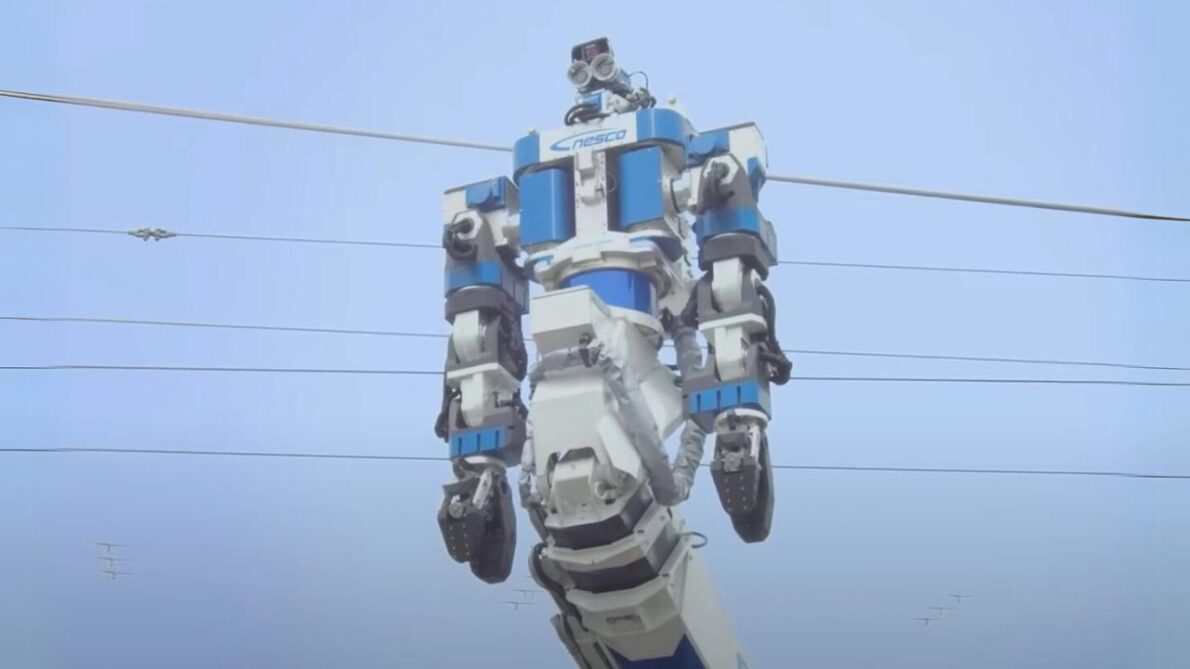

Japan Launches Advanced 12-Meter Robot for Railway Maintenance: Utilizes Virtual Reality and Hydraulic Arms Capable of Lifting Up to 40 Kg
Japan, known for its leadership in robotic technology, recently launched an impressive 12-meter-tall robot for track maintenance. This robot, developed by West Japan Rail Company, promises to revolutionize the way railway maintenance is conducted, using cutting-edge technology to increase efficiency and safety.
Technology and Features of the Robot
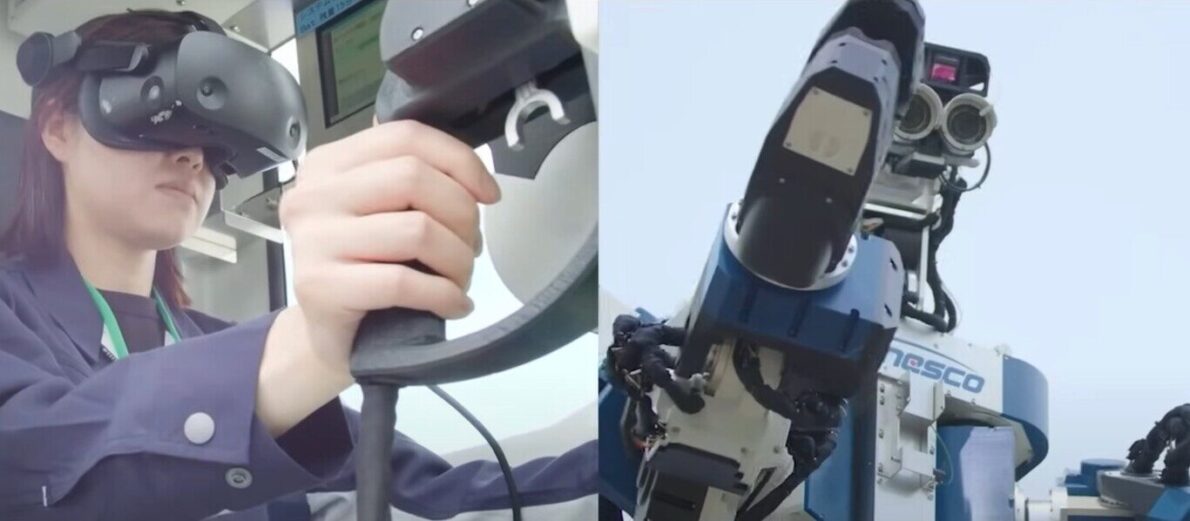
This new robot is not fully autonomous. Instead, it is remotely operated by a technician using a virtual reality headset. The operator, positioned inside a truck that serves as the robot’s base, controls the movements through manual controls that manipulate the mechanical arms of the device. The head of the robot, equipped with high-resolution cameras, provides the operator with a detailed view of the work environment.
Structure and Mobility
The structure of the robot is unique. It does not have legs, and its base is integrated into the truck that transports the operator. A hydraulic arm mounted on the rear of the vehicle allows the robot to reach heights of up to 12 meters. This design facilitates movement along the railway tracks, enabling the robot to perform maintenance tasks in elevated locations, such as catenary inspections and obstacle removal.
-
She spent 73 years breathing inside an iron lung, survived the aftereffects of polio, and became the last woman in the United States dependent on the equipment before dying at 78 years old.

-
Brazilian students created a $1 filter using pine bark, cotton, and 3D-printed parts to clean cassava wastewater, reduce the toxicity of a hazardous waste, and transform contaminated water into biofertilizer.

-
Astronaut from Artemis II steps down after mission to the Moon and decision surprises after a record of 406,771 km, a historic 10-day journey, and an unprecedented achievement for Canada.

-
A fossil kept for years in a small museum in Montreal concealed 450-million-year-old soft tissue, a discovery that has only happened once before in history.


The robot’s hands are equipped with claws capable of lifting heavy objects, with a capacity of up to 40 kilograms. Additionally, its hands can be outfitted with various attachments, including brushes and chainsaws, adapting to different maintenance needs. This versatility makes the robot a valuable tool for railway maintenance, allowing tasks such as trimming tree branches, removing debris, and repainting structures.
Impact on the Workforce
The development and implementation of this robot are direct responses to a significant problem in Japan: labor shortages. The country faces a demographic challenge with an aging population and a declining workforce. This situation has led to an increasing adoption of automation and robotic technology to fill the gaps left by the lack of human workers.
According to information from The Guardian, West Japan Rail Company sees this robot as a solution to mitigate labor shortages while increasing worker safety. Maintenance operations at heights and near electrical catenaries present considerable risks, such as falls and electric shocks. The use of the robot reduces these risks, providing a safer and more efficient way to perform necessary maintenance.
Future of Maintenance with Robots
Kazuaki Hasegawa, president of West Japan Rail Company, expressed an ambitious vision for the future, stating that “in the future, we expect to use machines for all types of maintenance operations for our infrastructure.” This comment reflects a growing trend in Japan: reliance on robots and automation to address demographic and economic challenges.
The introduction of this robot is just the beginning of a broader transformation in how railway maintenance is conducted. As technology advances, robots like this are expected to become commonplace, playing a crucial role in the maintenance and operation of critical infrastructure. This innovation not only promises to increase efficiency and safety but also offers a sustainable solution to the long-term challenges faced by Japan.
Japan continues to be a global leader in the development and implementation of robotic technology. With the introduction of the new robot from West Japan Rail Company, the country takes a significant step in utilizing advanced technology to solve infrastructure and demographic problems. This innovation demonstrates how robots can be effectively integrated to enhance operational efficiency and ensure safety while addressing labor shortages. The future of railway maintenance in Japan looks promising, with robots playing a central role in preserving and improving the country’s transportation networks.