Portuguese
  Spanish


With the help of diving robots in Antarctica, scientists discovered that heat accumulated in the ocean depths was released, melting sea ice.
The dynamics of sea ice in Antarctica underwent a radical transformation starting in 2016, when a decades-long growth trend was replaced by a sharp retraction that persists to this day. To investigate the causes of this phenomenon, researchers used autonomous buoys known as Argo, which function as diving robots in Antarctica.
These devices revealed that heat, previously retained in deep ocean layers, was suddenly released to the surface. According to oceanographer Earle Wilson, from Stanford University, what occurred was a “violent release” of accumulated thermal energy, resulting in the accelerated decline of ice cover.
Diving robots reveal cause of accelerated sea ice melt in Antarctica
In the waters surrounding the icy continent, the temperature structure is different from tropical regions, presenting a kind of inversion. While the cold air cools the surface, warmer water masses are preserved at great depths.
-
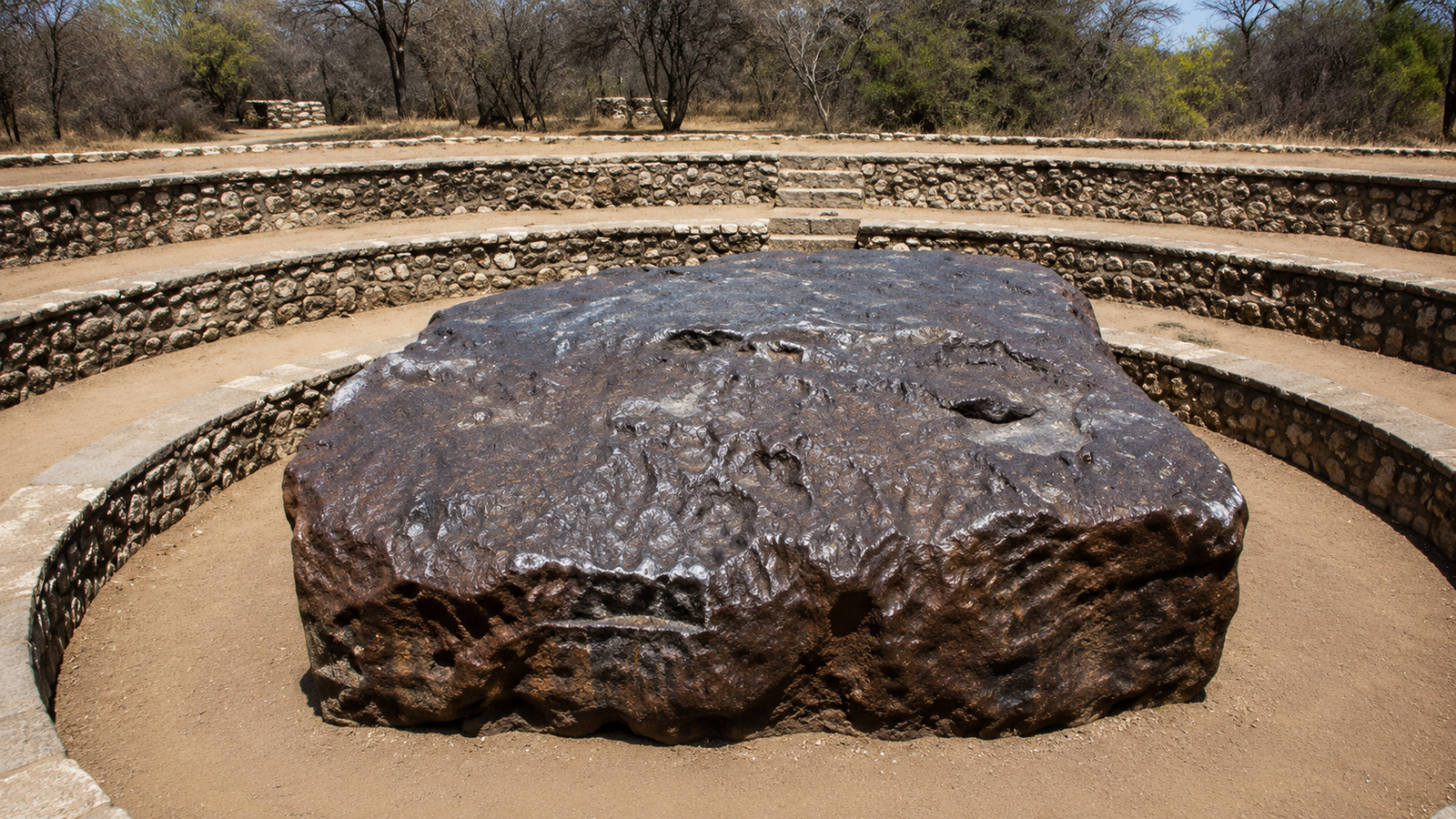
Largest Known Single-Piece Meteorite, Weighing 60 Tons, Puzzles Scientists with Its Intact Fall and Lack of Visible Crater

-
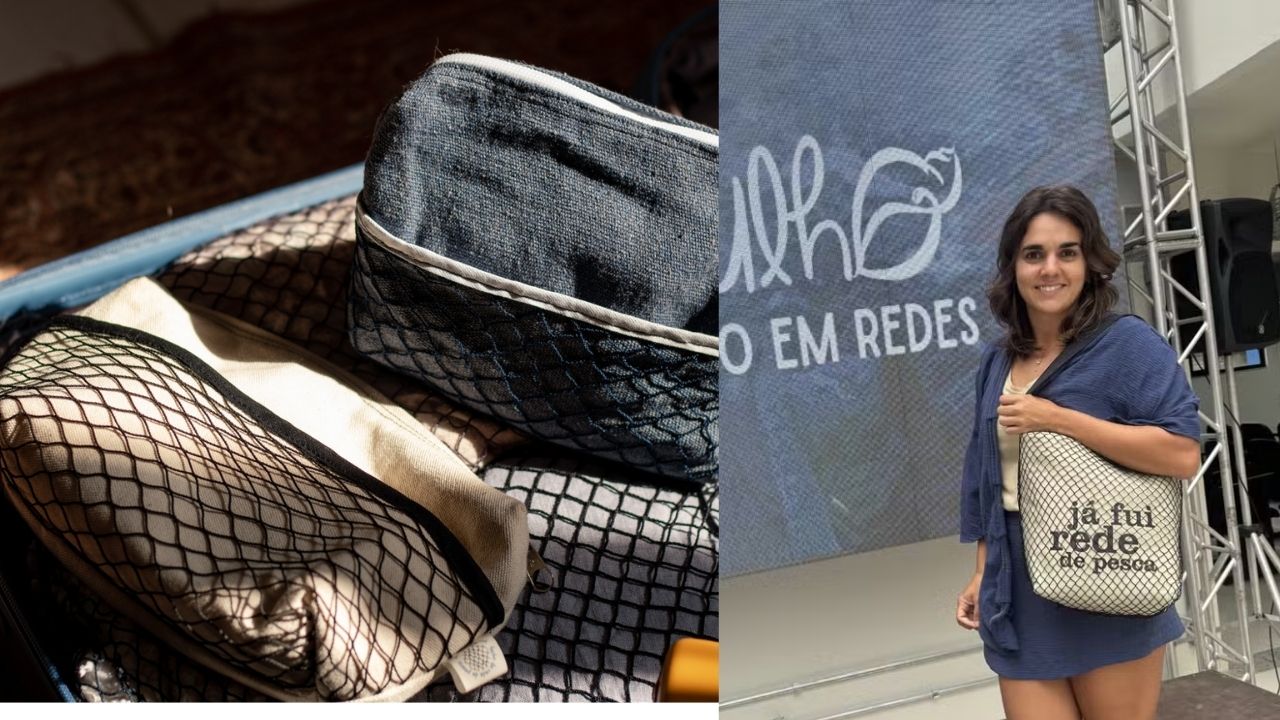
Oceanographer Turns Abandoned Fishing Nets from Brazilian Waters into Bags, Creating Jobs and Earning Over $7,000 Monthly

-
Australia deploys poisoned sausages and uses traps, shooting, and fences in a battle against invasive cats that kill over 1.5 billion native animals annually, threatening more than 200 species.

-
NASA Rover Captures “Tired Face” on Mars, Highlighting Human Brain’s Tendency to See Faces in Rock Formations



Data collected by diving robots in Antarctica show that this separation of layers, or stratification, has become stronger over the years. This thermal isolation was favored by increased rainfall in the region, which made the upper layer of the ocean less salty and less dense, acting as a shield for the deep heat.
However, this balance was broken by changes in wind patterns, which began to mix the waters and brought the heat to the surface. As Wilson explained to the Grist website, this oceanic dynamic is the central factor in understanding why sea ice can no longer recover.

Consequences of losing the ice barrier
The reduction of this floating cover is not just a climate indicator, but a structural problem for Antarctica. Sea ice acts as physical protection for the ice shelves that stabilize the continent.
Without this barrier, coastal ice masses face new risks:
- Physical vulnerability: The shelves are directly exposed to the action of storms and waves, which accelerates erosion.
- Accelerated warming: Ice has the function of reflecting solar radiation back into space; without it, the ocean absorbs more heat.
- Climatic instability: Ice loss can modify thermal gradients in the atmosphere, further intensifying winds.
- Permanent melt: There is concern that the retraction observed by diving robots in Antarctica represents a new and negative long-term condition.
What do diving robots in Antarctica project for the future?
Although science still debates how much of this process is due to natural climate variability, the influence of global warming is considered an important contributing factor. Earle Wilson highlights that the trend for the coming decades is a continuous decline in ice extent.
“But the long-term trend, over several decades, will be negative,” said the researcher, emphasizing that, although there are uncertainties, the scientific guess points to decline. Given this scenario, expanding data collection through autonomous technologies becomes vital for polar science.
Only with constant monitoring of the depths will it be possible to predict whether Antarctica will be able to resume its growth cycles or if the accumulated heat will continue to dictate the pace of melting. The mission of diving robots in Antarctica is, therefore, to provide the necessary clarity for the world to understand the invisible mechanisms shaping the future of sea level.
With information from Olhar Digital