






 Portuguese
  Spanish


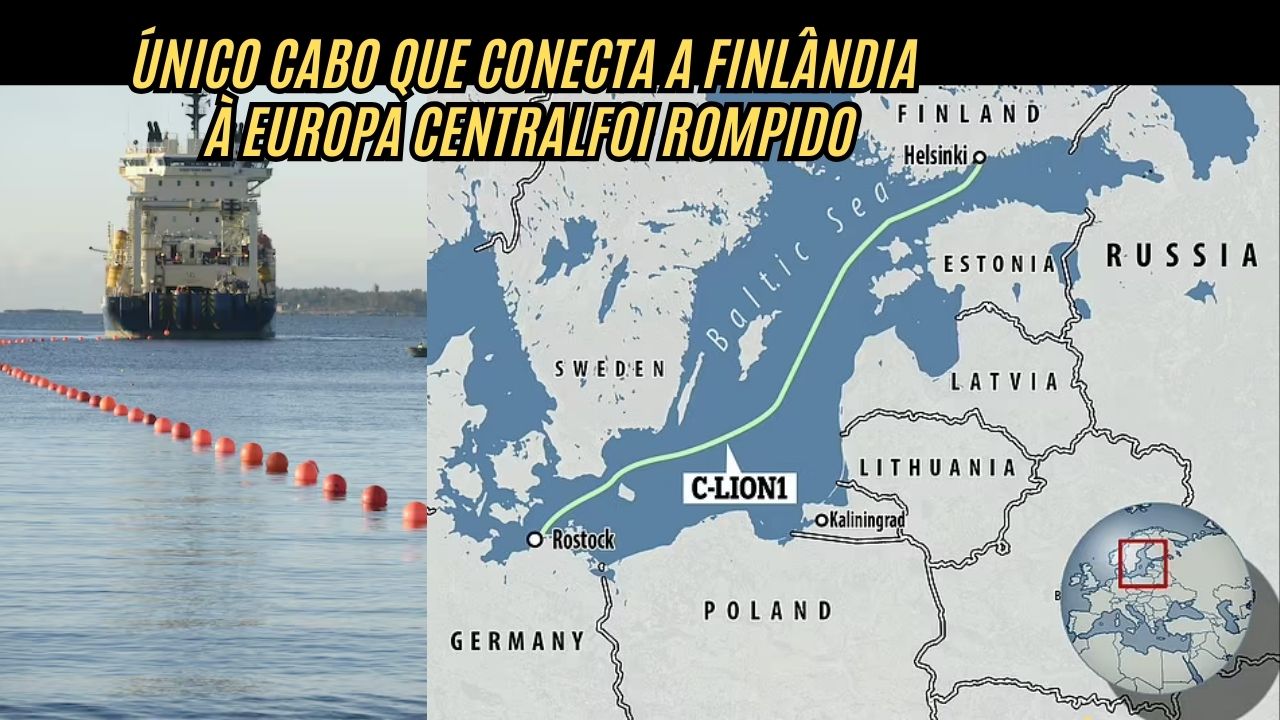

The Breakage of the Submarine Cable Connecting Finland to Germany Through the Baltic Sea Raised an Alert Both in Helsinki and Berlin. The Incident, Involving the C-Lion1 Cable, Disrupted Optical Communications Between the Two Countries and Raises Suspicions That an “External Force” May Be Involved.
The C-Lion1 cable, commissioned in 2016 and 1,200 km long, connects the Finnish capital, Helsinki, to the German port of Rostock, running along the bed of the Baltic Sea. According to Ari-Jussi Knaapila, CEO of Cinia, there are indications that the breakage of the submarine cable may have been caused by an “external force,” but a physical inspection is still needed to confirm the suspicion.
Samuli Bergström of the Finnish National Cyber Security Center Traficom explained that interruptions like this can be caused by factors such as weather or accidental damage related to transportation. However, the exact nature of the incident remains uncertain.
“The security of our critical infrastructure is at stake. Although other connection routes are functioning, the loss of a cable can create overload in the system,” warned Bergström.
-
Brazil’s 2026 Tax Refund: Record 9.58 Million Filers in Largest Payout Ever, But a Key Detail on Priority Recipients Draws Nationwide Attention

-
Itaú Alters Hybrid Work Model, Increasing Office Days from 2028, Prompting Employees to Adjust to New Routine
-
Facing Labor Shortage, Japan Plans to Invest $34 Million to Attract Foreign Workers in Construction, Healthcare, Industry, and Commerce

-
Brazilian City Makes Remarkable Leap, Becomes 4th Wealthiest in the Country with GDP of R$ 134.1 Billion




International Concern About the Breakage of Submarine Cable
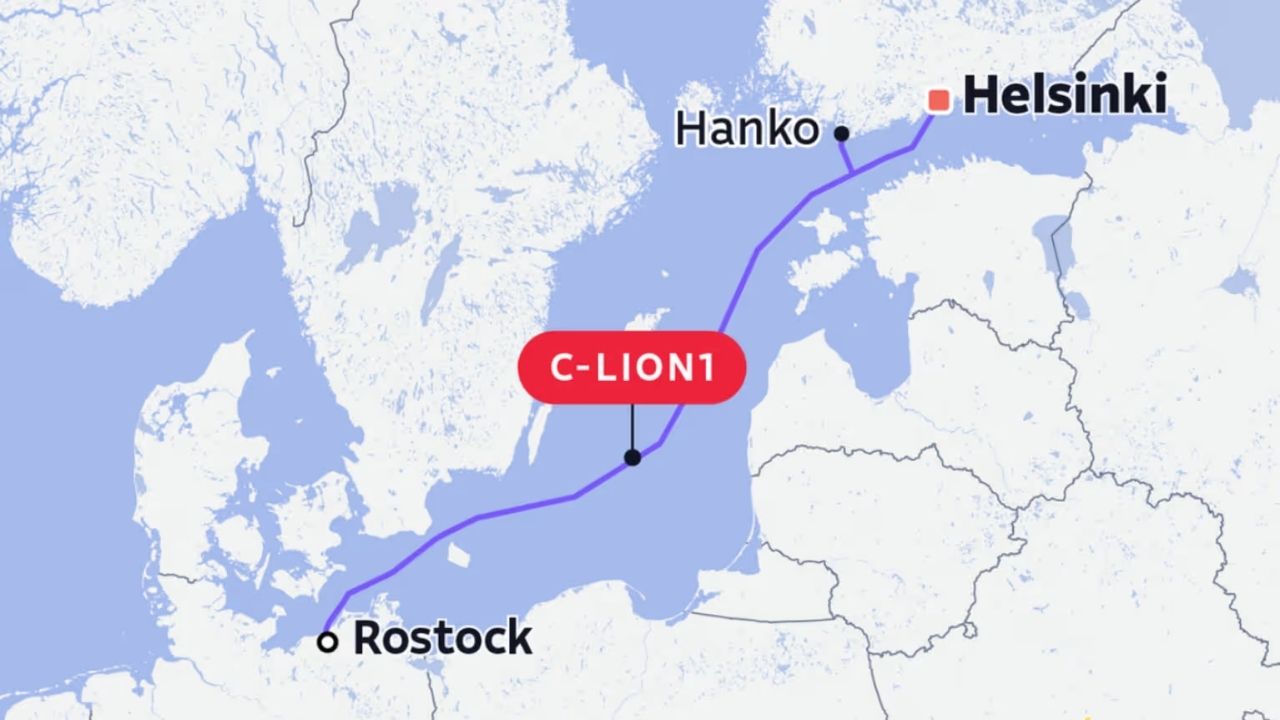
The governments of Finland and Germany expressed immediate concern over the breakage of the submarine cable, pointing to this episode as another risk to the security of critical infrastructures in Europe.
“European security is not only under direct threat due to the war in Ukraine, but also faces challenges in the form of hybrid warfare conducted by malicious actors,” emphasized the foreign ministries of both countries in a joint statement.
Other Incidents in the Baltic Sea
The Baltic Sea has been the stage for other recent episodes that call into question the security of essential infrastructures.
In October 2023, the Balticconnector gas pipeline, between Finland and Estonia, was damaged in what authorities in Finland considered a deliberate act.
In September 2022, explosions ruptured the Nord Stream 1 and 2 pipelines near the Danish island of Bornholm, in a case still attributed to possible sabotage.
Additionally, a submarine cable connecting Sweden and Estonia was also damaged last month, adding tension to diplomatic relations in the region.
Next Steps
As investigations continue, the repair of the C-Lion1 cable located near the Swedish island of Oland is expected to take between five and 15 days.
Authorities emphasize that, despite the limited impact on ordinary citizens, the incident serves as a reminder of the fragility of critical infrastructures that support modern connectivity.
The breakage of the submarine cable in the Baltic Sea is not just a technical issue but a strategic issue that reflects the increasing instability in the region.






…and about the monitoring system of this cable..? I think that could have a more strategic and more efficient government initiative in monitoring this important comunication resource !!!