Portuguese
  Spanish


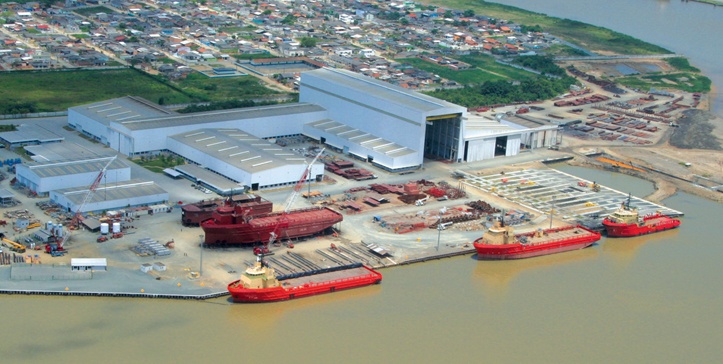

After The Crisis, The Market Turned To Vessels That Support Ship Maneuvers, Known As Tugs, In Addition To Investing In Repairs In The Naval Sector
The shipbuilding industry saw its production and number of employees decrease by 60% in the last 3 years. Today, this sector is beginning to show a recovery in business in Santa Catarina. In 2014, the shipyards in Navegantes and Itajaí had about 10,000 direct and indirect workers and are currently changing their production viewpoint and starting to hire again.
Support vessels for oil platforms in the pre-salt area were the stronghold of production in this sector, but in recent years, 75% of workers were laid off due to the crisis at Petrobras and the drop in oil prices. Unfortunately, this cascading effect hit most of the 74 companies in the sector on the northern coast of Santa Catarina, which had to venture into new waters to survive.
According to Juliano de Freitas, financial director of Detroit Brasil, this situation is a natural cycle after a period of constructions, naval repairs, and the dry docking of vessels, when they are removed from the water for periodic safety and maintenance checks. This is the market they are exploring and it has represented an important part of the work and revenue in the shipyard.
-
Lenovo Unveils Legion Y700 Tablet with RGB Backlighting, 5G, and SIM Card Support
-
Lenovo Unveils Legion Y700 Tablet with RGB Backlighting, 5G, and SIM Card Support
-
Northern Brazilian City Prepares Task Force to Mitigate El Niño Impacts with Stockpiled Fish, Drone Monitoring, Firefighting, and Water Supply Reinforcement in Remote Areas

-
Brazil to Issue “Panda Bonds” in China, Aiming to Raise Up to 5 Billion Yuan at Lower Interest Rates Than Dollar Debt

Investing not only in repairs, the market turned to vessels that provide support for naval maneuvers, known as tugs. This month, one of the state’s shipyards granted the seventh tug to a multinational in a contract worth 220 million reais.
We cannot say with total certainty that this sea has started yielding fish again, but the sector’s expectation is that it will take another two years for the market to feel the effects of this recovery. The numbers this year are still not positive, as about 600 employees were laid off in shipbuilding in Itajaí and Navegantes, according to information from the union representing them.
The recovery of business in the naval sector also depends on the auctions for exploration fields that are yet to occur, informs Leonardo Campos Freitas, executive advisor of the Shipbuilding Union. He also stated that the more auctions the ANP (National Agency of Petroleum) conducts, the more companies will become interested, including Petrobras itself, which could generate more jobs for the sector.
Oceaneering Starts The Week With Offshore, Onshore, And Administrative Job Openings