Portuguese
  Spanish


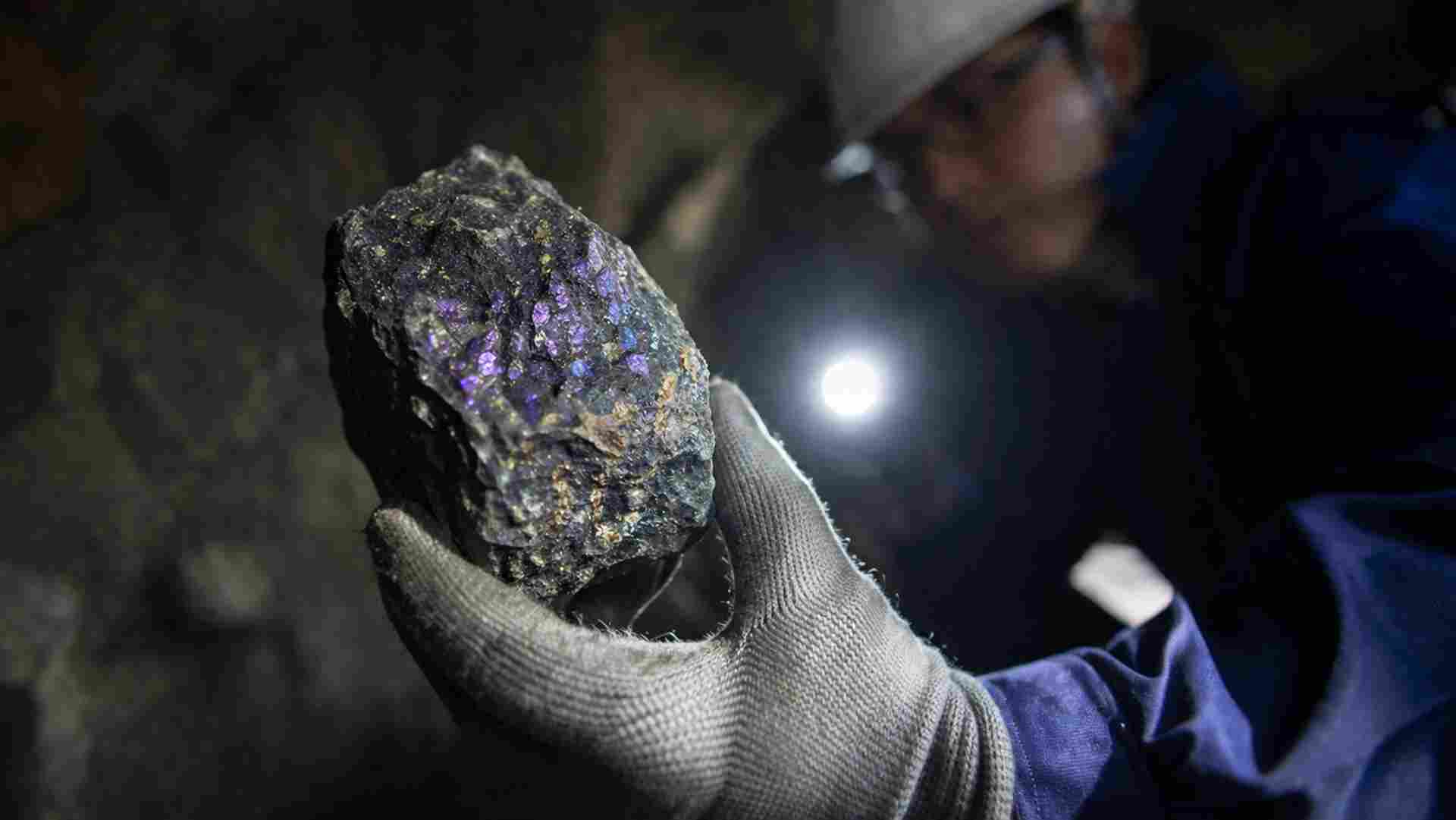

Understanding the mechanisms that concentrate valuable elements in the crust allows for a more scientific and less speculative approach to mineral exploration. By deciphering the geological past, science provides the keys to ensure the resources needed for technological innovation and environmental sustainability in the 21st century.
A team of geologists has identified the specific natural mechanism responsible for the creation of rare earth elements, vital substances for modern technology.
The discovery reveals that magmatic and hydrothermal processes that occurred millions of years ago concentrated these minerals in specific locations in the crust. Understanding this historical phenomenon can facilitate the location of new mineral deposits, essential to meet the growing global demand for electronic components and renewable energies.
The role of magnetism and water in mineral concentration
The research demonstrates that rare earth elements are not randomly distributed, but result from a precise combination of extreme heat and fluid circulation.
-
Farewell to Toilet Paper? New Technology Sparks Debate on Bathroom Habits

-
Young Entrepreneur Who Started Recycling Bottles at Age 3 Becomes Environmental Icon in the U.S.

-
Nivea Blue Tin Cream: Popular Post-Beach and Pool, But Pharmacist Warns About Missing Ingredients and Common Summer Mistakes Regarding UVA and UVB Protection.
-
Archaeologists Recover Colossal Structure Lost for Over 1,600 Years Under the Sea, Including 22 Monumental Blocks Weighing Up to 80 Tons, Intriguing Experts.




In the early stages, mineral-rich magma rises towards the surface, but it is the subsequent interaction with hydrothermal fluids that separates and groups these elements.
These superheated liquids dissolve the dispersed minerals and transport them to precipitation zones, where they accumulate in economically viable concentrations.
Previously, science struggled to explain why certain deposits were significantly richer than others. The new study points out that the duration of this hydrothermal activity and the chemical composition of the surrounding rocks are the determining factors for the richness of the deposit.
By mapping these favorable conditions, geologists can now predict the presence of rare earth elements in areas that were previously overlooked by mining companies.
Challenges of extraction and the importance for green technology
Despite the name, rare earth elements are relatively abundant in the crust, but are rarely found in concentrated forms that allow for profitable extraction. They are indispensable components in the manufacture of powerful magnets for wind turbines, electric vehicle motors, and smartphone batteries.
The current dependence on a few global suppliers makes the discovery of new localization processes a strategic priority for various countries seeking technological autonomy.
The process of separating these elements is chemically complex and often causes significant environmental impacts. Understanding the natural formation process allows companies to seek ores with lower impurity levels, optimizing refining and reducing the use of aggressive chemical agents. Focusing on deposits generated by this specific process of rare earth elements can make future mining more efficient and less harmful to the local ecosystem.
Future of global exploration and mineral security
With the data obtained about the millennia-old creation process, geological agencies are updating their exploration models to identify new targets around the world. The ability to locate high-quality deposits of rare earth elements reduces the financial uncertainty associated with new deep mining projects. This scientific advancement occurs at a critical moment, where the energy transition requires a massive increase in the supply of critical minerals to avoid bottlenecks in the production of clean technologies.
The next steps in the research involve analyzing samples from different continents to verify if the formation pattern repeats across various geological eras.
The identification of specific chemical signatures left by ancient fluids will serve as a “search guide” for geologists in the field. Thus, mastery over the origin of rare earth elements becomes a powerful tool to ensure the supply of materials that define contemporary industrial society.
With information livescience