






 Portuguese
  Spanish


Study involving the University of Tokyo and St. Jude places among the most observed proteins a central piece of the aging of the immune system and points to a new route to keep the cell factory that sustains the body’s defenses young.
A group of scientists found among the proteins a hidden mechanism that helps age the immune system and may change the search for ways to keep the body’s defense young. The focus fell on MLKL, a protein known for its link to cell death, but which appeared to be acting in another way: damaging the mitochondria of hematopoietic stem cells, responsible for producing blood cells and sustaining the immune response throughout life.
The study was published on April 6, 2026, in Nature Communications by researchers from the University of Tokyo and St. Jude Children’s Research Hospital.
Among the analyzed proteins, MLKL appeared where no one expected
The surprise came from where the protein ended up. Instead of pushing these cells to death, as science used to associate with MLKL, the researchers saw the protein accumulate in the mitochondria after stresses related to aging, such as inflammation and replicative stress.
-
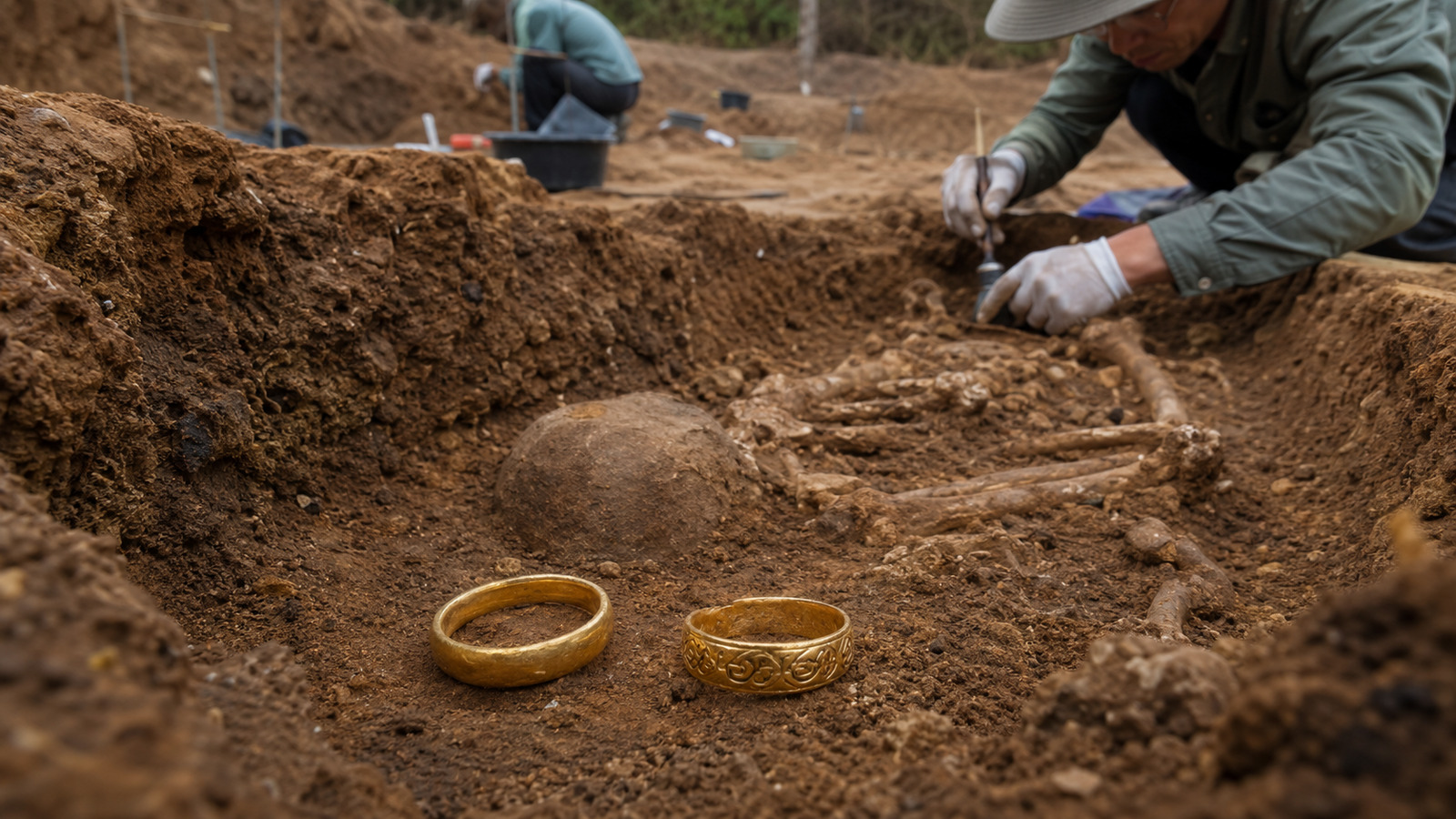
2,000-Year-Old Gold Rings Found with Human Bones in Thailand Reveal Rare Burial and Feature Ancient Indian Inscription

-
Lenovo Unveils Legion Y700 Tablet with RGB Backlighting, 5G, and SIM Card Support

-
World’s First Nuclear Hydrogen Unit Begins Operation: Copper-Chlorine Technology with Initial Capacity of 150 Liters per Hour, Aiming for 3,000 Liters per Hour
-
Mechanics Retrofit Old Fiat Uno with BYD Electric Motor for Silent, Low-Voltage Operation Reaching Nearly 60 km/h in Home Test


There, it reduced the membrane potential, altered the mitochondrial structure, and decreased energy production, without increasing cell death.
The immune system loses momentum when the blood factory ages
This impact hits the heart of blood renewal. According to the authors, aged hematopoietic stem cells lose their self-renewal capacity, produce fewer new cells, and become more inclined to generate myeloid cells rather than lymphoid cells, a switch that weakens the immune response over the years.
It was precisely this pattern that the activation of MLKL helped to push.
When scientists shut down the protein, the picture changed
In experiments with mice, the scenario turned. Cells without MLKL maintained better regenerative capacity, produced healthier immune cells, showed less DNA damage, and preserved mitochondrial function even under stress or in older animals.
On another front of the work, stem cells without the protein managed to repopulate the blood system more efficiently after transplantation, a sign that the wear and tear can be halted at the source.
The race now aims for a way to keep the immune system young without promising miracles
The result raised both alarm and hope at the same time. The researchers did not test a ready therapy on humans, and St. Jude itself states that the study still points to a direction for future research, not an immediate treatment.
The bet now is to discover whether temporarily blocking this pathway during times of strong biological stress, such as chemotherapy, transplant, or gene therapy, can help preserve blood formation and reduce premature aging of the immune system.
The discovery touches on a central point of aging biology because it shifts the focus away from just genes and places proteins and mitochondria at the center of the story.
If this pathway is confirmed in future studies, MLKL may cease to be just a technical laboratory name and become one of the most promising targets in the attempt to keep the body’s defenses young for longer.
Comment on what you think about this discovery and share this article with those who follow science, longevity, and new strategies to protect the immune system.


