Portuguese
  Spanish


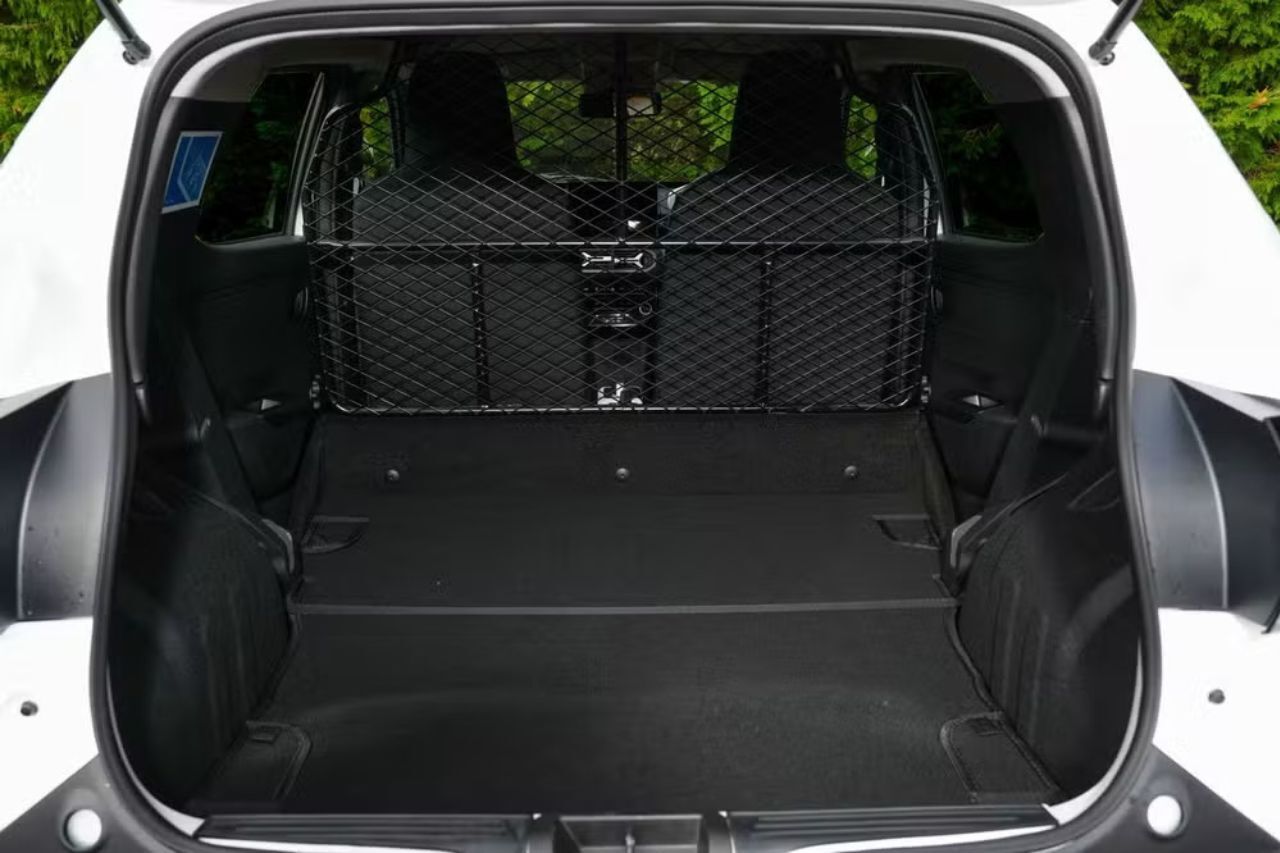


Fiat Mobi Cargo Eliminates Back Seat, Focuses on Simple Mechanics and Urban Load to Compete Directly with Chevrolet Onix Log in Last-Mile Deliveries.
The transformation of popular cars into urban work tools has ceased to be an exception and has become a product strategy. Following this logic, the Fiat Mobi Cargo emerges as a direct proposal for those who need to drive all day in the city, transporting light goods, with low operational costs and mechanical simplicity.
Like the Chevrolet Onix Log, the Mobi Cargo sacrifices passenger comfort for pure functionality, targeting delivery companies, service providers, and last-mile fleets.
Fiat Mobi Cargo and the Logic of the Urban Tool Car
The Mobi Cargo starts from a clear concept: to eliminate everything that does not contribute to work. By removing the back seat and adapting the interior for cargo transport, the model offers a larger and more practical usable area for boxes, packages, and equipment.
-
End of an era in Brazil: beloved sedan by Brazilians is discontinued despite having a 2.0 engine with 151 hp, CVT transmission, 466-liter trunk, and up to 650 km of range.

-
New Law Proposal in Brazil Could Heavily Penalize Drivers: Dangerous Overtaking May Become a Serious Offense with Fines Increased Tenfold and a 12-Month License Suspension; Update on 2026 Progress

-
Electric Revolution: Watts W125 Motorcycle Offers 160 km Range, 90 km/h Speed, and Affordable Price Starting at $3,000
-
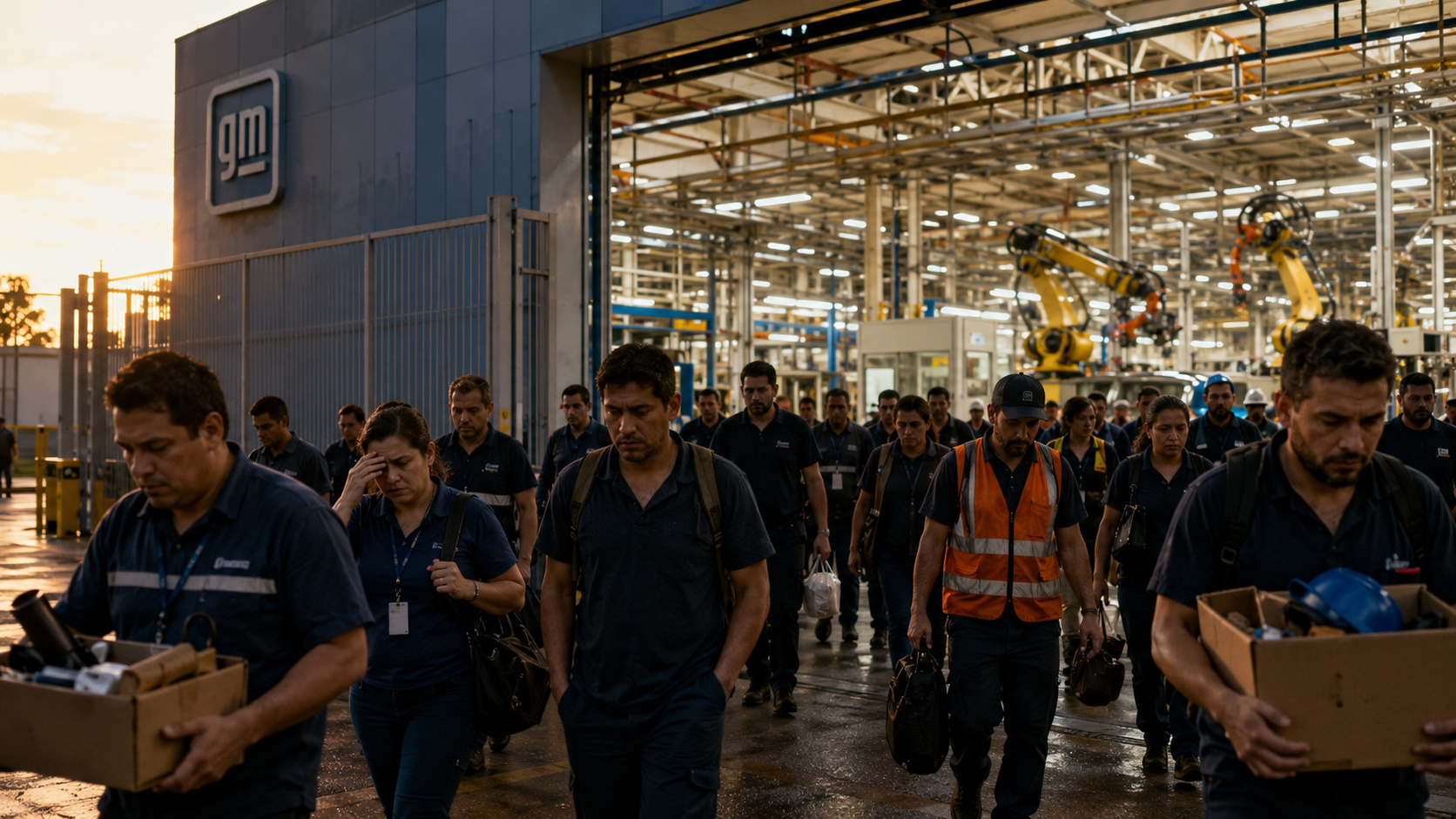
General Motors Replaces Over a Thousand Workers with 50 Cobots at Electric Vehicle Plant, UAW Union Criticizes Move Amid Industry’s Automation Push


This type of solution meets a growing profile in Brazil, driven by the advancement of e-commerce, fast deliveries, and urban services, where agility and cost per kilometer matter more than finishing or sophisticated multimedia.
Flat Cargo Area and Better Use of Internal Space
With the removal of the back seat, the Fiat Mobi Cargo gains a flat cargo compartment, making it easier to organize and transport small and medium-sized volumes. Access is simple, taking advantage of the car’s compact size, ideal for narrow streets and congested central areas.
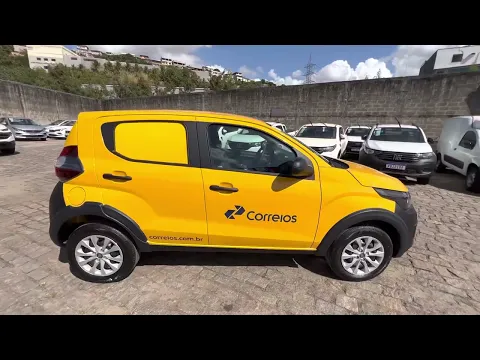

The focus is on daily practicality, with less loading and unloading time and more efficiency in intense urban use.
Simple Engine and Familiar Mechanics to Reduce Costs
The mechanical set of the Mobi Cargo bets on simplicity, using a low-displacement engine, aspirated and with maintenance widely known in the Brazilian market. This choice reduces costs with parts, labor, and downtime.
For fleet owners and self-employed professionals, this mechanical predictability weighs more than performance or onboard technology, especially in vehicles that travel hundreds of kilometers per week.
Urban Consumption and Cost per Kilometer as Priority
Another central point of the Fiat Mobi Cargo proposal is the low fuel consumption. The economical engine combined with the reduced weight helps keep the cost per kilometer driven under control, a decisive factor in urban delivery operations.

Compared to larger utility vehicles or traditional vans, the Mobi Cargo positions itself as a lighter, cheaper, and more agile solution for small deliveries.
Compact Dimensions and Advantage in Traffic in Large Cities
The compact size of the Mobi is an important asset. Parking in tight spots, accessing restricted areas, and circulating in congested urban centers becomes easier compared to vans or pickups.
This characteristic reinforces the role of Mobi Cargo as a last-mile vehicle, where time spent stuck in traffic or looking for a parking spot represents a direct cost to the business.
Fiat Mobi Cargo vs Chevrolet Onix Log
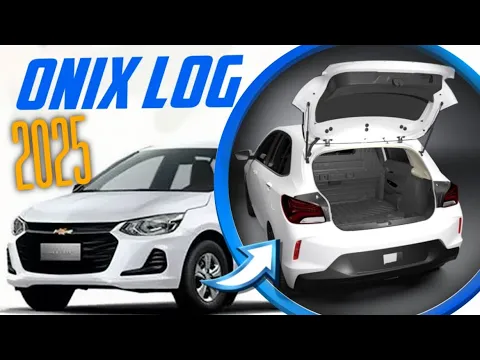
The rivalry with the Chevrolet Onix Log is direct. Both follow the same philosophy: compact hatch, no back seat, focus on cargo and reduced cost. The difference lies in the approach.
While the Onix Log bets on a slightly larger size and higher load capacity, the Mobi Cargo responds with even more compact dimensions, lower weight, and potential for lower consumption, attracting those who prioritize maximum economy and intense urban use.
Target Audience: Micro Entrepreneurs, Fleets, and Urban Services
The Mobi Cargo directly targets Micro Entrepreneurs, small businesses, maintenance technicians, delivery companies, and urban services that need a reliable vehicle, low maintenance costs, and easy to drive.
It is not a car designed for leisure or family use, but rather a work tool, aligned with the reality of those who rely on the vehicle.
The Fiat Mobi Cargo enters the scene as a direct competitor to the Chevrolet Onix Log by adopting the same rational logic: less comfort, more efficiency. Without a back seat, with a simple engine and total focus on urban cargo, it serves a niche that is quietly growing in Brazilian cities.
For those looking to reduce costs, gain agility, and transform the car into a business ally, the Mobi Cargo presents itself as a coherent and competitive alternative in the last-mile delivery universe.