Portuguese
  Spanish



Approved Bill Creates Emergency Credit and Tax Exemptions. It’s the Same Logic Used by China to Support Its Industry
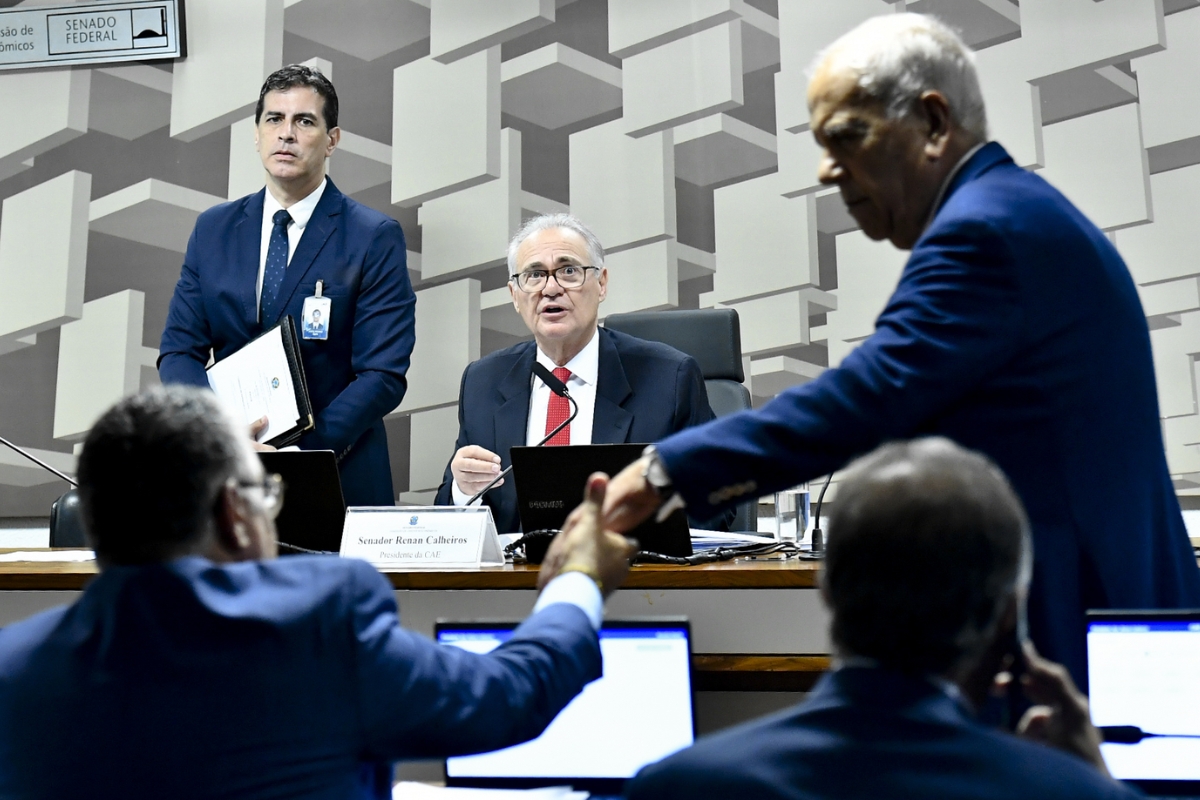
The Senate took a decisive step this Wednesday (24) by unanimously approving the base text of the bill that creates an emergency mechanism to face the effects of the tariff imposed by the United States against Brazilian products.
The proposal excludes these expenses from the spending cap and authorizes the federal government to release about R$ 30 billion in financing and tax exemptions to assist affected companies.
According to the bill’s author, Senator Jaques Wagner (PT-BA), the tariffs announced by U.S. President Donald Trump affect 36% of all Brazilian exports destined for the U.S. market in 2024, which represents US$ 14.5 billion out of a total of US$ 40.4 billion.
-
Brazilian Actress Turns Waxing Clinic into 400-Unit Chain with $50 Million Revenue, Sells Stake After 13 Years

-
Major Company Shuts Down 70-Year-Old Factory in Brazil, Relocating Production and Impacting Over 100 Families
-
Toyota Shuts Down Brazilian Plant After Producing Over 1 Million Vehicles, Plans Special Destination for Final Corolla Produced Following $2.1 Billion Investment and Expansion.
-
Shoe Factories Close, Leaving 528 Workers Jobless in Sudden Turn of Events Affecting Hundreds of Families After Decades of Operation.


The impact, the text warns, could harm production chains across all regions and jeopardize millions of jobs.
Sovereign Brazil Program and Immediate Impact
The project, reported by Senator Veneziano Vital do Rêgo (MDB-PB), is directly linked to Provisional Measure 13/2025, which established the Sovereign Brazil program, launched by President Luiz Inácio Lula da Silva in August.
The measure stipulates that the resources will be allocated to the Export Guarantee Fund (FGE), allowing for credit with reduced interest rates and priority for companies that rely on the U.S. market.
The difference is that small and medium-sized enterprises will also have access to the program through guarantee funds, as long as they maintain their jobs active.
This condition seeks to protect workers amid the turmoil caused by international tariffs.
Tax Exemptions and Rules of the New Framework
In exceptional cases, the expenses and tax exemptions related to the tariff will not be accounted for in the primary result targets for 2025 and 2026, as stipulated in the New Fiscal Framework.
This means that the expenditures to face the crisis will not be considered a violation of fiscal responsibility rules.
Moreover, the text exempts the government from fulfilling traditional requirements of the Fiscal Responsibility Law, such as the immediate presentation of budgetary-financial impact and revenue compensations.
The exception is limited to R$ 5 billion in the 2025-2026 biennium, ensuring leeway for the Executive.
Billion-Dollar Contributions to Guarantee Funds
The project also authorizes the Union to strengthen three strategic funds:
- Operations Guarantee Fund (FGO): up to R$ 1 billion
- External Credit Operations Guarantee Fund (FGCE): up to R$ 1.5 billion
- Investment Guarantee Fund (FGI): up to R$ 2 billion
These contributions will allow the government to expand the coverage of credit operations, share risks with the private sector, and strengthen emergency programs like the PeacFGI Solidary, aimed at providing rapid support to exporting companies.
Strategy Similar to That Used by China
Experts point out that the Brazilian strategy bears similarities to the model adopted by China, where the State acts as a buffer against external pressures.
Just as Beijing injects subsidies, cheap credit, and tax exemptions to protect its companies in global trade disputes, Brasília is now using guarantee funds and tax exemptions to preserve the competitiveness of its exporters.
The logic is the same: use the strength of the State to keep production chains active, secure jobs, and prevent international tariffs from compromising the country’s economic sovereignty.
Prospects and Next Steps
Despite the approval of the base text, senators still need to analyze two amendments to the project, with a vote scheduled for next week.
If the full approval is confirmed, the measure is expected to alleviate some of the pressure on industrial and agricultural sectors that have the U.S. as their main sales destination.
The government hopes that, with Sovereign Brazil, it will be possible to ensure liquidity for companies, preserve jobs, and mitigate the wave of instability caused by the tariff.
At the same time, the proposal reinforces Lula’s political stance of facing the effects of Trump’s trade policy without compromising fiscal balance.