Portuguese
  Spanish


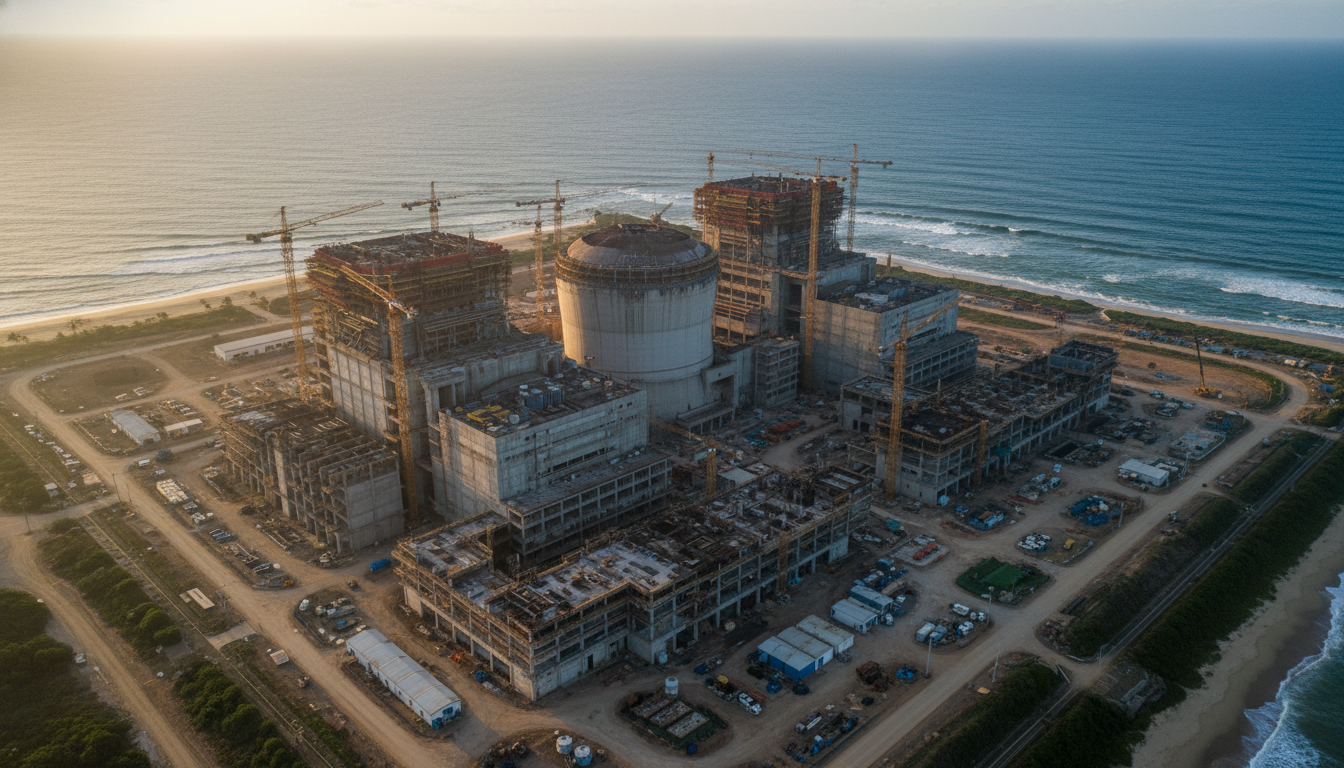
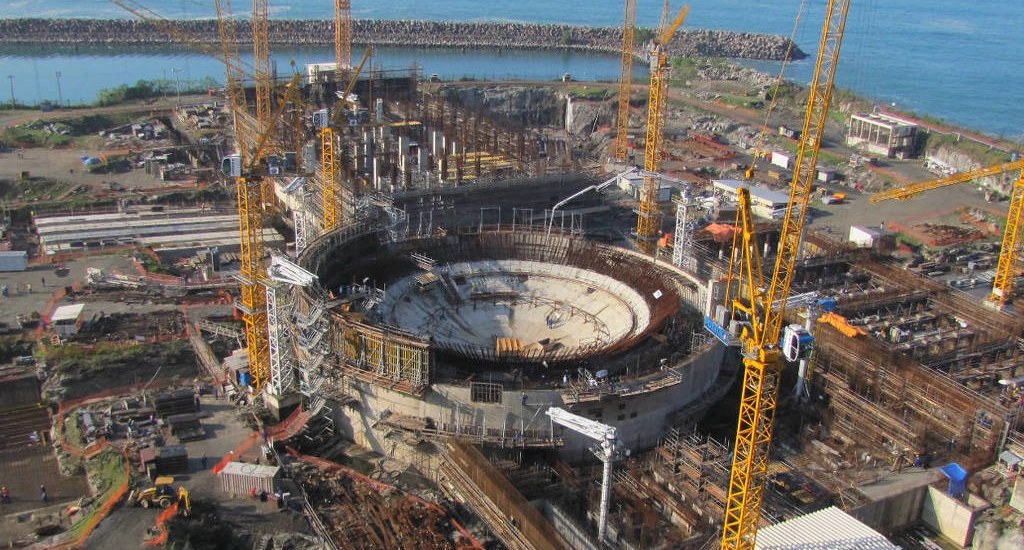
The nuclear plant Angra 3, in Angra dos Reis, Rio de Janeiro, has reached about 66% completion and has become one of the federal government’s most difficult decisions, which needs to decide by mid-2026 whether to complete or permanently abandon the project. A survey by BNDES indicates that finishing the plant would cost around R$ 24 billion, a figure close to the estimated cost of definitively ending the project, which has been under intermittent construction for decades.
The dilemma is unusual: continuing and abandoning cost practically the same. This cost symmetry has turned Angra 3 into a political and economic impasse that the National Energy Policy Council (CNPE), a body that brings together various ministries, will have to resolve. The decision involves billions of public reais and affects the future of nuclear energy in Brazil.
A project that has dragged on for decades
The story of Angra 3 began back in the 1980s, as part of the nuclear agreement between Brazil and Germany. Construction was started, halted, resumed, and interrupted several times over more than three decades, influenced by economic crises, government changes, and contract investigations. The result is a half-finished plant, with purchased and stored equipment, some of which risk becoming obsolete before even being installed.
-
American company drills a 1,830-meter hole in Kansas using oil well technology, places a nuclear reactor inside, and claims it will generate electricity without any cooling tower.

-
Canada invests more than 2 billion dollars to upgrade an old nuclear laboratory and try to rival the world’s major atomic energy powers.
-
Nuclear company backed by Bill Gates partners with Hyundai for next-generation 345 MW nuclear reactor

-
Russia is sailing all 8 nuclear icebreakers of its fleet simultaneously for the first time in history, as the Arctic freezes two weeks earlier than expected.


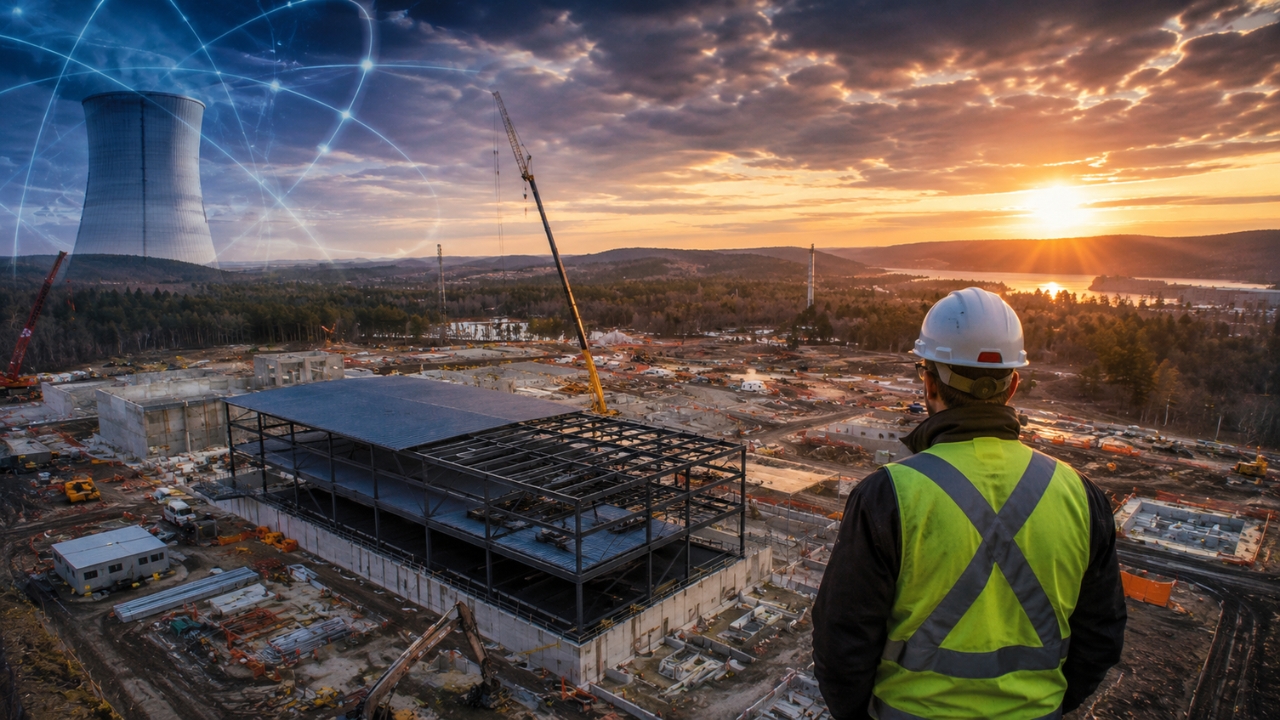


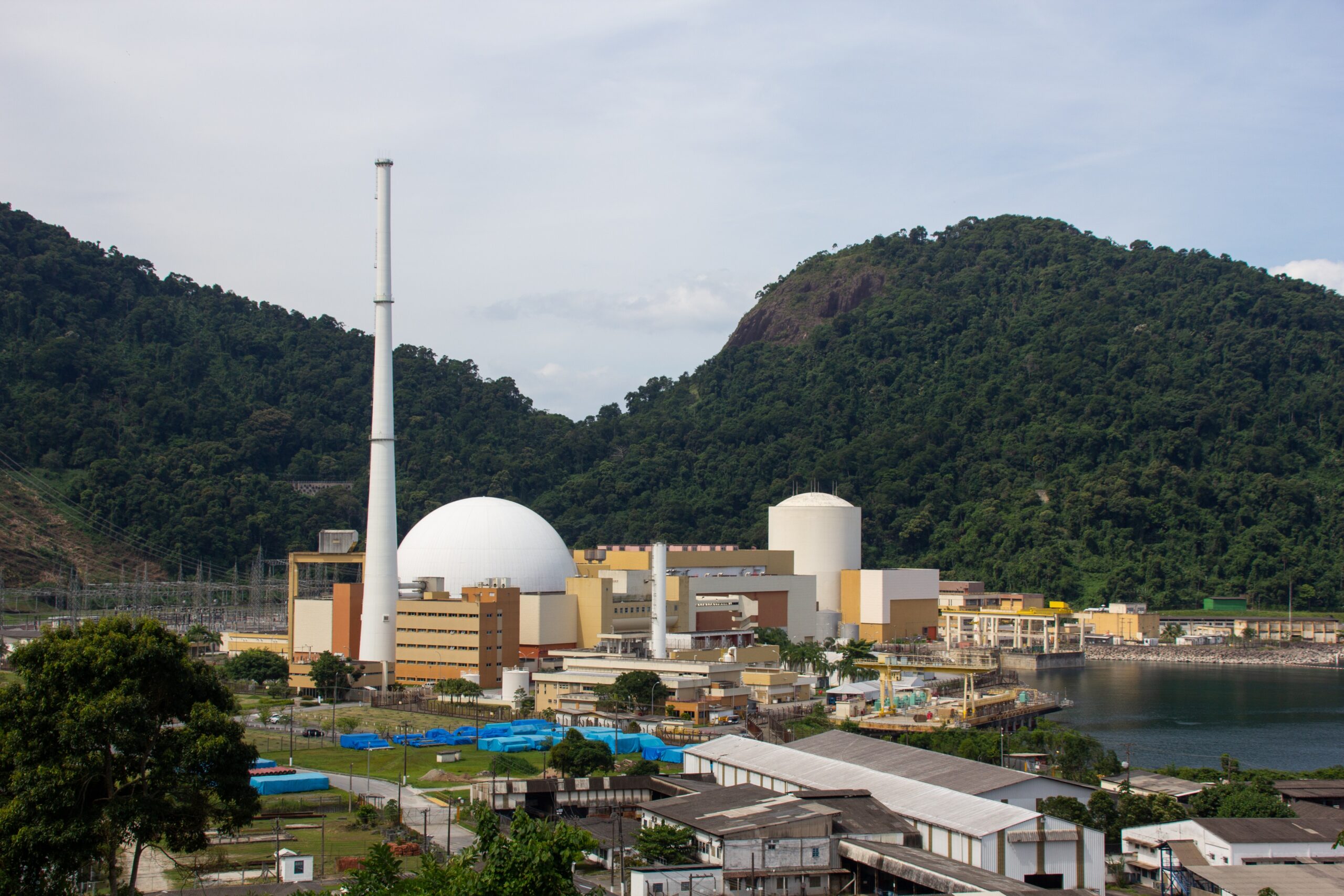
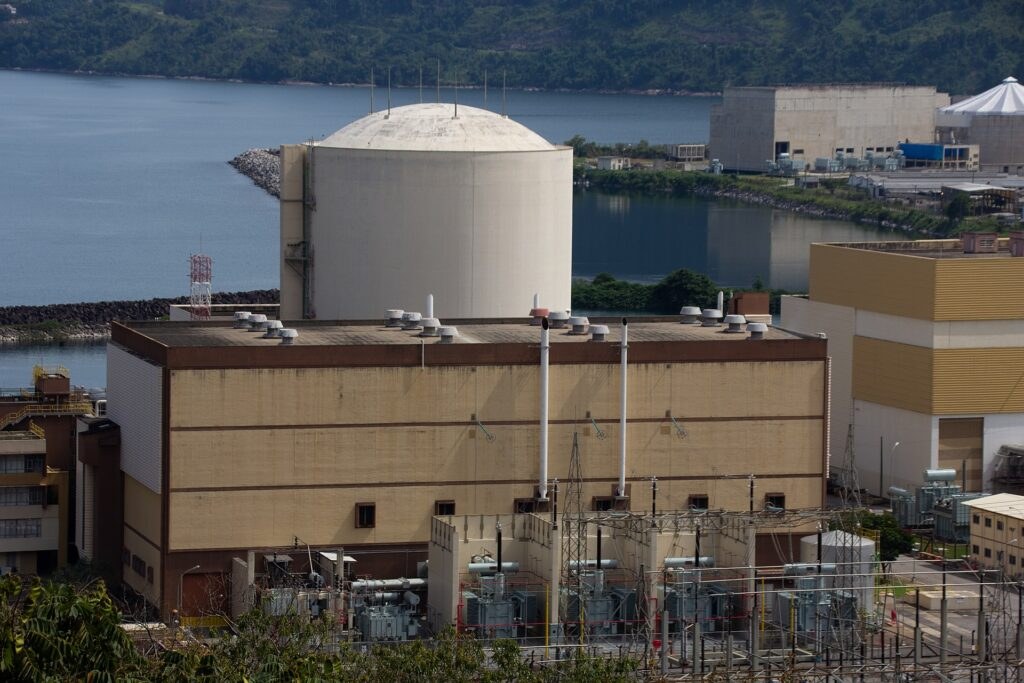
The operator of the project is Eletronuclear, a subsidiary of Eletrobras responsible for Brazilian nuclear plants. The company already operated Angra 1 and Angra 2, in the same complex, and had Angra 3 as the bet to expand the country’s nuclear generation. However, successive delays have caused the project’s cost to skyrocket and put pressure on the state company’s accounts.
The arguments for completing the plant
Those who advocate for the completion of Angra 3 point out that more than half of the work is already done and that abandoning it would mean wasting what has been invested, in addition to paying dearly to dismantle the structure. In favor of continuity is also the argument of energy sovereignty: nuclear energy provides electricity constantly, independent of rain or wind, and would help diversify Brazil’s energy matrix, which is currently very dependent on hydroelectric power.
Sectors of the nuclear industry also argue that mastering the technology has strategic value for the country, with applications beyond energy generation, such as in medicine and research. For this group, giving up on Angra 3 would be a setback in the Brazilian nuclear program, built over decades with public investment.
The arguments for abandoning
On the other hand, critics remind that the cost of completion is extremely high and uncertain, and that the energy generated by Angra 3 tends to be more expensive than that from renewable sources like solar and wind, which have become very cheap in recent years. In this view, insisting on an expensive nuclear plant would make little economic sense at a time when Brazil is installing renewable capacity at a record pace.
There are also environmental and safety concerns associated with nuclear energy, such as the disposal of radioactive waste and the risks of accidents, in addition to the history of irregularities surrounding the project’s contracts. For those advocating abandonment, it would be better to accept the loss at once than to pour more tens of billions into a problematic project.
The decision in the hands of the government
The final choice will be up to the National Energy Policy Council, which needs to assess the numbers, the impact on Eletronuclear, and the country’s strategic interest. Whatever the decision, it will have long-term consequences: completing means committing resources for more years of work, while abandoning implies acknowledging a billion-dollar loss and ending the program for new nuclear plants in the near future.
The case of Angra 3 summarizes the broader debate about the role of nuclear energy in Brazil. Studies from the electricity sector indicate that the country might need new plants by 2050 to ensure reliable energy, but the troubled experience of Angra 3 serves as a warning about the costs and timelines of such projects. According to Eletronuclear and Agência Brasil, the decision is expected in the first half of 2026.