Portuguese
  Spanish


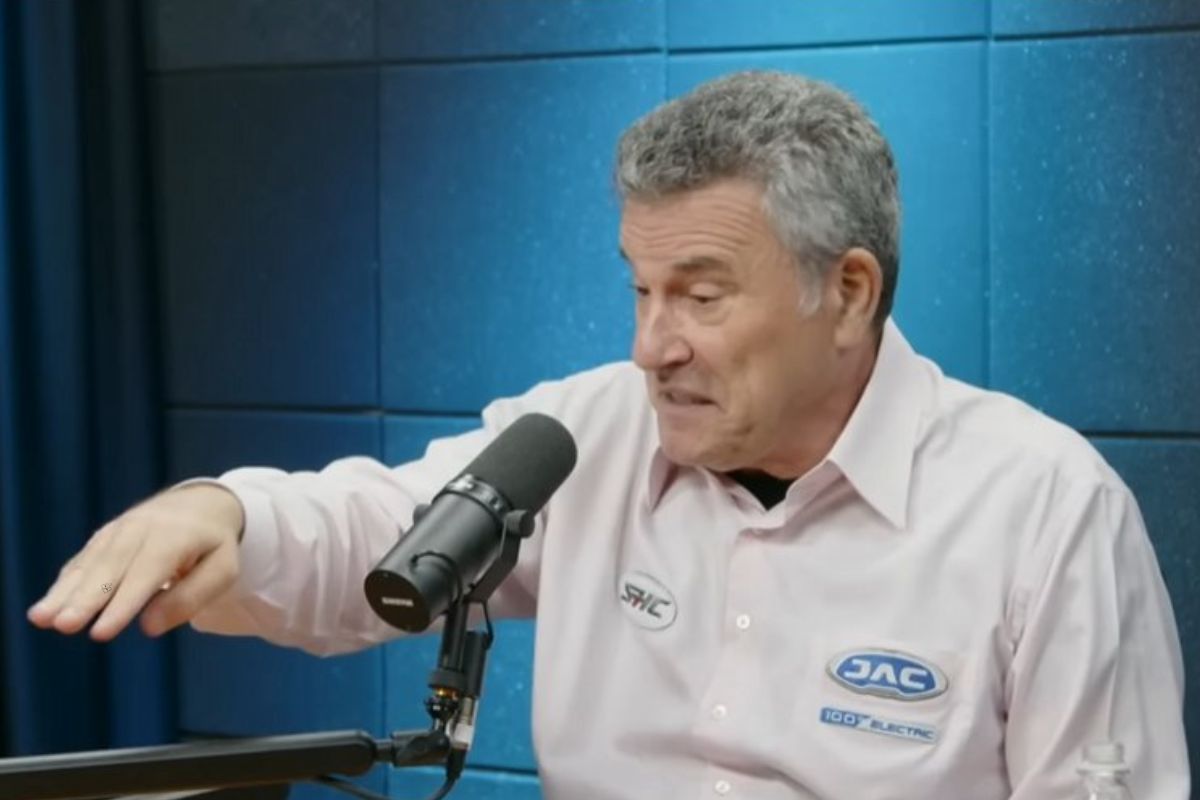


According to Sergio Habib, founder of the SHC group and president of Jac Motors Brazil, the used car price will increase due to the combination of high taxes, rising prices of new vehicles, and changes in consumer behavior.
The Brazilian automotive market is undergoing an irreversible transformation. According to Sergio Habib, one of the most experienced executives in the sector, the scenario is clear: the used car will increase in price and is likely to appreciate even more in the coming years. The explanation involves three central factors — increasingly high production costs, elevated tax burdens, and the difficulty for the average consumer to access zero-kilometer vehicles.
For Habib, this trend is not exclusive to Brazil, but it becomes even more serious here. The income of Brazilians does not keep up with the rising prices of new models, pushing most buyers into the market for used and second-hand cars.
Why the Used Car Will Increase in Price
According to the executive, there is no turning back on the price of new vehicles. In recent years, cars have become more expensive due to the inclusion of mandatory safety equipment, such as airbags, ABS, and stability controls. In addition, automakers have realized that it is more profitable to sell fewer units at higher prices than to compete for volume with small margins.
-
Sales of Brazil’s Cheapest Electric Car Halted Before First Deliveries: E-Motors Suspends Emova Easy Due to Import Tax Increase and Rising Freight Costs

-
Nissan Discontinues Qashqai SUV Amid Cost-Cutting, Chinese Competition, and Product Line Review

-
BYD Patents Revolutionary System Using Computer Vision to Detect Animals Under Cars Before Starting, Preventing Tragedies

-
Study Reveals Why Cars Are More Expensive to Produce and Buy in Brazil Compared to Mexico, Highlighting Taxes, Logistics, and Industrial Costs as Key Factors.


This new standard has caused consumers who once bought new cars to migrate to used ones. In Brazil, up to six times more used cars are sold than new ones, and the trend is that this ratio will continue to increase.
The Weight of the Tax Burden
Another factor highlighted by Habib is the 37% tax burden on automobiles in Brazil, considered the highest among major global markets. While countries like the United States and many in Europe have lower and income-focused taxes, here the government taxes consumption. This causes popular cars to cost much more in Brazil than equivalent models in other countries.
This tax burden limits the ability to reduce prices and keeps zero-kilometer cars out of reach for millions of consumers, who start to see greater value in purchasing used cars.
International Comparisons
Habib showed that the trend is global. In the United States, despite population growth, new car sales have been declining since the 2000s, while the used market is growing. Today, for every new car sold in the U.S., more than three used cars are traded. In France, the ratio exceeds four to one.
In Brazil, the movement is even more intense: the used car represents the primary mobility alternative, as the average income of the population is low and does not keep pace with the appreciation of new vehicles.
And What About Electric and Hybrid Cars?
Despite global growth, Habib assesses that the electric car is still not viable on a large scale in Brazil. The high price, lack of charging infrastructure, and limitations on range restrict this model to urban audiences with greater purchasing power. Hybrid cars cost over R$ 160,000, which limits their popularization.
Thus, the traditional used car will continue to be the main option for most Brazilians, further driving up prices in this market.
Sergio Habib’s analysis reinforces that the used car price will increase in Brazil and this trend is unlikely to reverse. The combination of high tax burdens, rising new model prices, and stagnant income pushes consumers towards the used market, which is seen not only as an alternative but as the only viable choice for a large part of the population.
And you, have you felt this appreciation in your wallet? Do you think the prices of used cars are fair or do you believe it has turned into speculation? Leave your opinion in the comments — we want to hear the experience of those living this reality.