Portuguese
  Spanish


The recent surge in international oil prices has once again put Brazil on alert regarding diesel supply. Amidst the global energy crisis, driven by geopolitical tensions and logistical risks, biodiesel emerges as a strategic alternative capable of preventing a scarcity scenario in the country.
The advance of biofuel comes at a time when oil faces strong volatility. With the possibility of interruptions in key transport routes and increased import costs, concern about Brazil’s energy security grows — especially for diesel, essential for transport and agribusiness.
Dependence on international oil still concerns Brazil
Despite being a major oil producer, Brazil still significantly depends on diesel imports to meet its domestic demand. This factor becomes even more critical in times of global crisis, when access to fuel can be compromised.
-
OPEC+ Boosts Oil Supply by 188,000 Barrels per Day in July 2026, Leading to Price Drop from $112 to $89 per Barrel in Under Two Months

-
TotalEnergies Signs 20-Year Deal to Purchase 2 Million Tons of LNG from Alaska, Boosting Project Viability
-
Turkey Deploys Çağrı Bey Drilling Ship to Explore New Oil Frontier Off Somalia’s Coast
-
Golden Pass LNG Ships First Liquefied Gas Cargo from the U.S., Completing $10 Billion QatarEnergy and ExxonMobil Investment

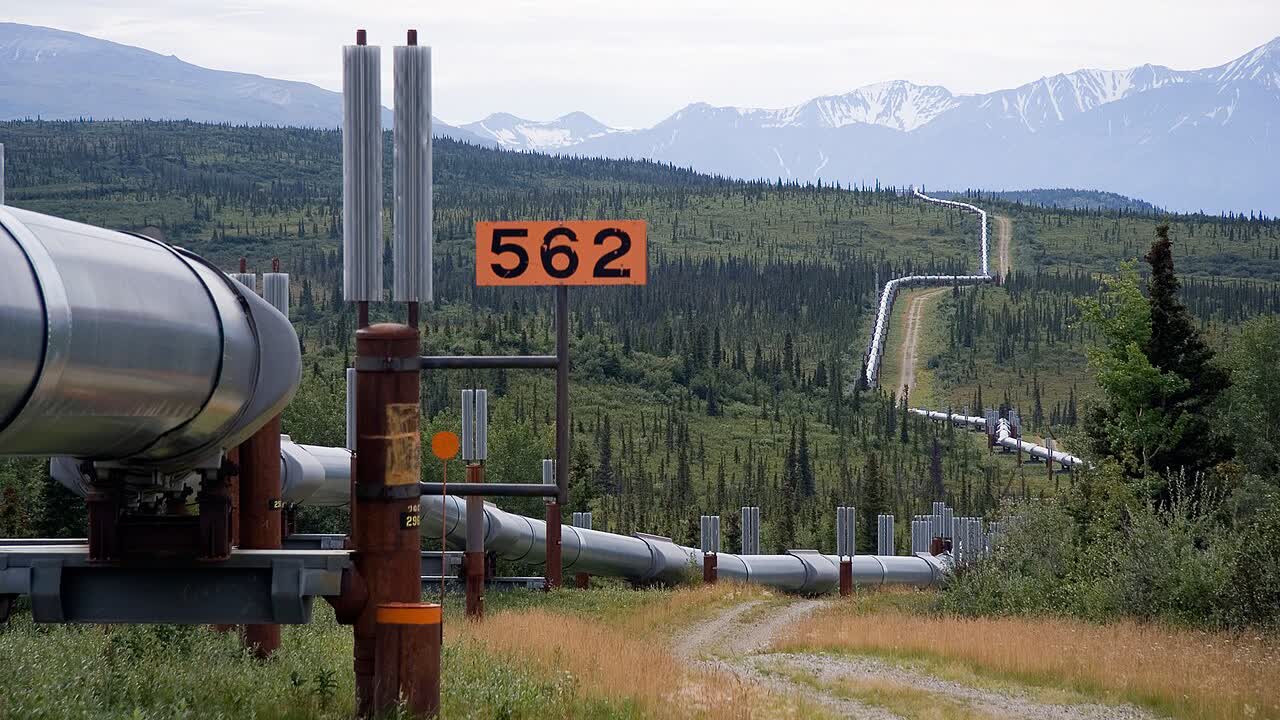
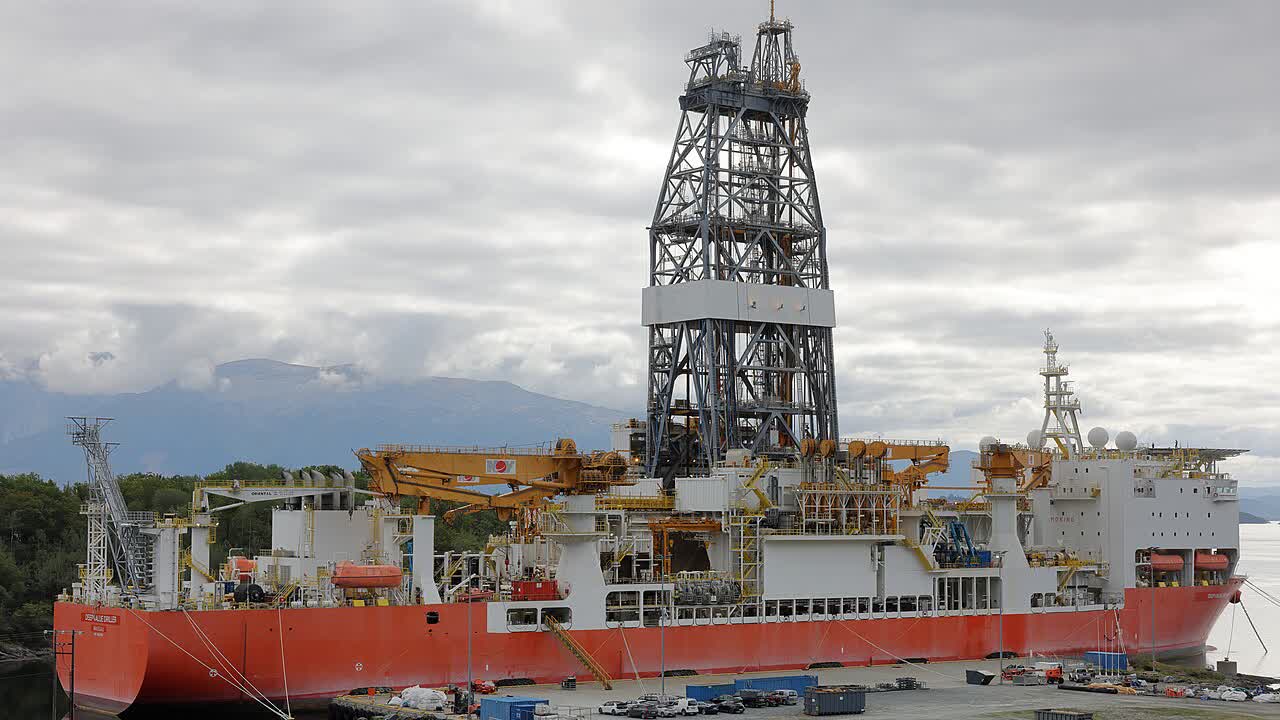

Pressure on international oil, especially in the face of conflicts involving strategic regions, increases costs and reduces supply predictability. In this context, countries with less energy autonomy become more vulnerable to sudden fluctuations.
It is precisely in this scenario that biodiesel begins to play a central role. As it is already part of Brazil’s energy matrix, the biofuel helps reduce the need for imports, acting as a protection mechanism against external shocks.

Biodiesel reduces direct impact of oil crisis
Currently, diesel sold in Brazil already has a mandatory blend of biodiesel. This model allows part of the demand to be met by a renewable source, reducing direct dependence on oil.
Biodiesel can totally or partially replace petroleum-derived diesel, being used in conventional engines without the need for adaptation. This facilitates its large-scale adoption and reinforces its role as a viable alternative in times of crisis.
In practice, this means that the greater the participation of biodiesel, the smaller the impact of eventual interruptions in the international oil supply.
National production has capacity for rapid growth
One of the main points highlighted by experts is that Brazil has sufficient installed capacity to expand biodiesel production in the short term. This is because part of the productive structure still operates with idle capacity.
Furthermore, the country has a wide availability of raw materials, such as soybean oil and animal fat, which are widely used in the production of biofuel.
This characteristic places Brazil in a privileged position, as it can react quickly to crisis scenarios without exclusively depending on imported oil.

Expensive oil accelerates search for energy alternatives
Historically, periods of high oil prices tend to drive the development of alternative energy sources. It was like this in previous crises, and the current scenario follows the same pattern.
Biodiesel, being a renewable and less polluting fuel, gains even more relevance in this context. It is produced from natural sources and can significantly reduce emissions compared to fossil fuels .
In addition to the environmental issue, there is also an important economic factor: national biodiesel production reduces the outflow of resources for oil imports, strengthening the domestic economy.
Mandatory blending ensures supply security
The mandatory blending policy of biodiesel with diesel is one of the pillars of Brazil’s energy security. Since its implementation, the percentage has been gradually increased, accompanying the development of the national industry.
Currently, Brazil already operates with high blending levels, which represents a significant portion of total diesel consumption. This strategy helps dilute the risks associated with oil dependence.
According to official data, mandatory blending has evolved over the years and will continue to be expanded, reinforcing biodiesel’s role in the energy matrix.

Agricultural sector gains prominence with biodiesel advancement
The growth of biodiesel also strengthens Brazilian agribusiness, as a large part of its production depends on agricultural raw materials. This creates a positive economic cycle, generating employment and income in rural areas.
Soybeans, the main input for biodiesel in Brazil, gain even more importance during oil crises. The increased demand for biofuels tends to boost the entire production chain.
This movement expands the economic impact of biodiesel, which ceases to be merely an energy alternative and begins to act as a driver of regional development.
Global scenario remains uncertain and keeps pressure on oil
Despite the advancement of biodiesel, oil still dominates the global energy market. Any instability in producing regions or strategic routes can generate immediate price impacts.
The current crisis reinforces this reality. Even with available alternatives, the world still heavily depends on oil, which keeps the market highly sensitive to geopolitical factors.
In this context, Brazil needs to balance its strategy, combining the use of oil with the strengthening of alternative sources like biodiesel.
Biodiesel consolidates as a key piece in the energy strategy
The current scenario makes it clear that biodiesel is not just an environmental alternative, but an essential tool for ensuring energy security. Amidst the oil crisis, its importance becomes even more evident.
With expansion capacity, a solid production base, and integration with agribusiness, biofuel emerges as one of the main solutions to reduce supply risks.
Furthermore, its use contributes to the diversification of the energy matrix, making the country less vulnerable to external crises.

Brazil can avoid a diesel crisis even with rising oil prices
Even in the face of an adverse global scenario, Brazil is in a position to avoid a diesel supply crisis. Biodiesel plays a fundamental role in this process, functioning as a viable and strategic alternative.
The combination of national production, mandatory blending policy, and availability of raw materials places the country in a safer position compared to other markets exclusively dependent on oil.
Oil remains dominant, but the future points to diversification
Oil will continue to be essential in the short term, but the global trend points to an increasing diversification of energy sources. In this movement, biodiesel is expected to gain ground.
The current crisis could accelerate this process, encouraging investments and public policies aimed at strengthening biofuels.
In the Brazilian case, the path is already under construction. The advancement of biodiesel shows that it is possible to reduce oil dependence without compromising supply — and, at the same time, strengthen the economy and sustainability.