Portuguese
  Spanish


Automakers Force Vehicle Entry into Dealerships, but Price Wars and High Inventories Put Dealers and Manufacturers in Deep Crisis in China
The electric vehicle industry in China is facing a silent collapse. After years of intense competition for lower prices, the country is now confronted with an unexpected problem: an excess of vehicles on dealership lots.
The attempt to boost sales has had the opposite effect. Automakers and dealers are plunged into a crisis of inventory and store closures.
Dealerships Turn into Deposits
Chinese manufacturers have resorted to so-called “automated registrations” to inflate their sales numbers. This practice involves registering cars as if they were sold, even without buyers.
-
They exchanged the idea of a large house for a 35 m² warehouse, spent US$ 12,000 on the structure, and created a tiny house in Colorado with space to live and work.

-
While modern cities rely on pumps and electricity, in Iran, ancient tunnels carried water through the desert using only slope and gravity.
-
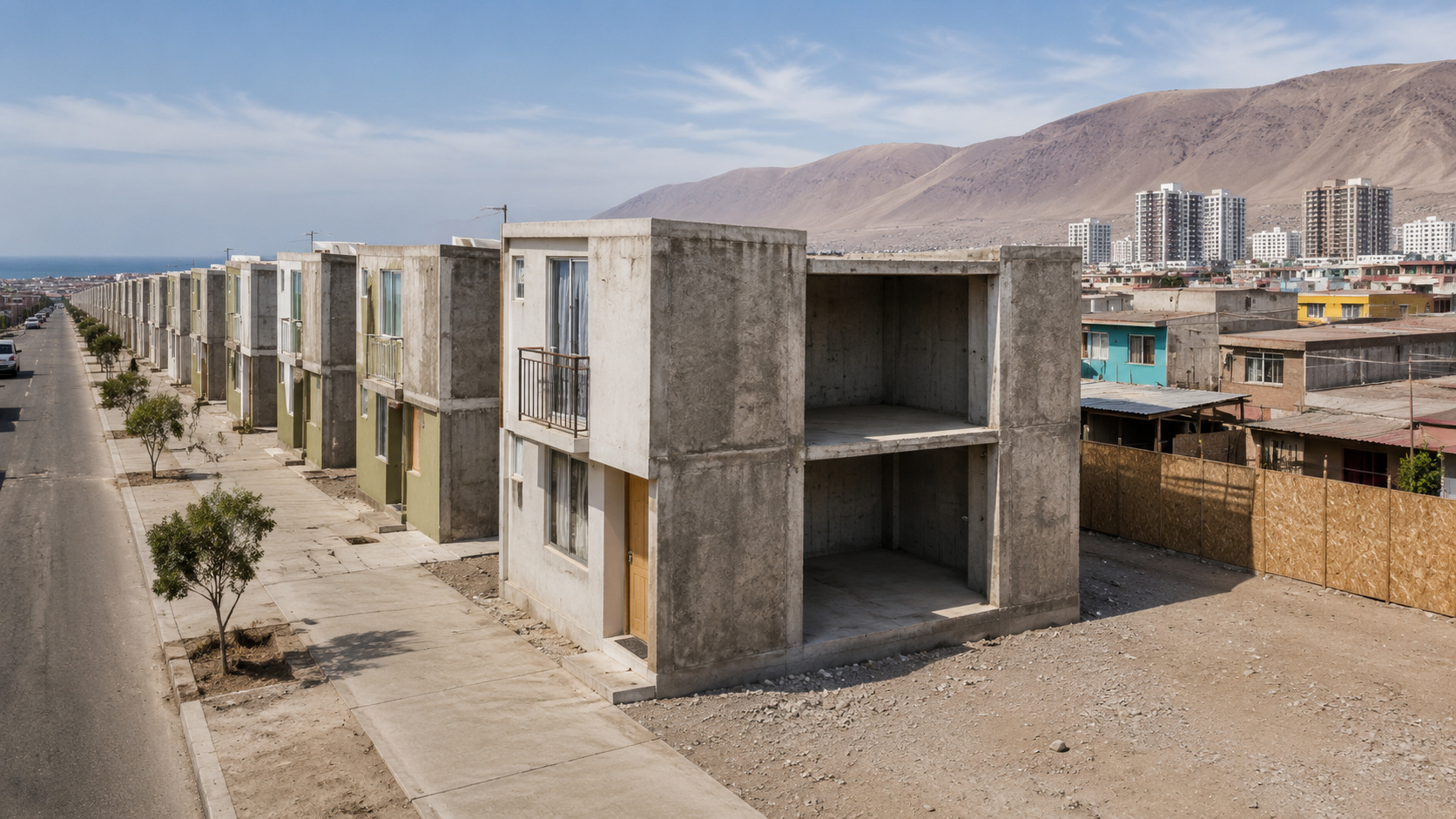
Instead of sending families far from the city, a project in Chile intentionally created incomplete houses on expensive urban land and left technical space for each to grow.
-
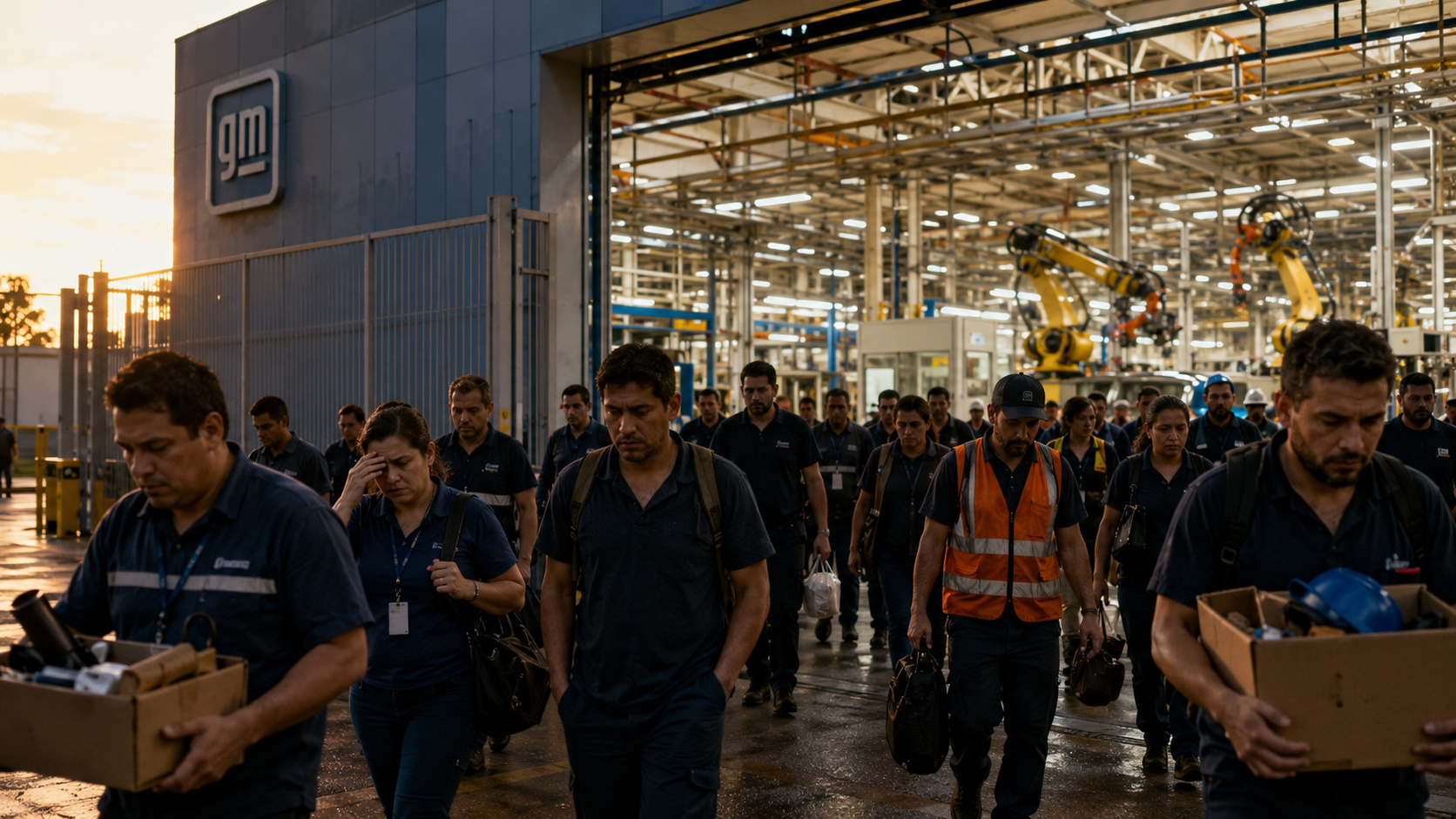
General Motors Replaces Over a Thousand Workers with 50 Cobots at Electric Vehicle Plant, UAW Union Criticizes Move Amid Industry’s Automation Push

Thus, they are sent to dealerships and classified as used or “zero km.” But the vehicles pile up in the yards, with no outlet.
In Shandong province, at least 20 BYD stores are deserted or have already closed, according to local media reports.
Dealerships have stopped bearing the weight of aggressive targets imposed by automakers.
Financial Pressure and Cash Flow
Retail networks are calling for help. In a statement released on Tuesday, they requested that automakers stop forcing the entry of more cars.
According to Reuters, the price war is eroding cash flow, undermining profitability, and forcing store closures.
The China Automobile Dealers Association warned that the situation has become even more difficult.
The current conditions are described as “even more stringent” than before. For the sector, it is urgent that manufacturers stop pushing inventory onto dealers and begin setting more realistic production targets.
Criticism of Automakers’ Practices
Dealership representatives also claim they should not be pressured to leave the distribution network.
They criticize the use of “channel optimization” as justification for closing stores. According to them, these actions only amplify the negative impact on an already saturated market.
Official Bodies React
In light of the situation, the China Association of Automobile Manufacturers and the Ministry of Industry and Information Technology issued public alerts.
They condemn the “disorderly price wars” and point out that the decline in profit margins demonstrates the escalating destructive competition among companies in the sector.
With information from Xataka.