Portuguese
  Spanish


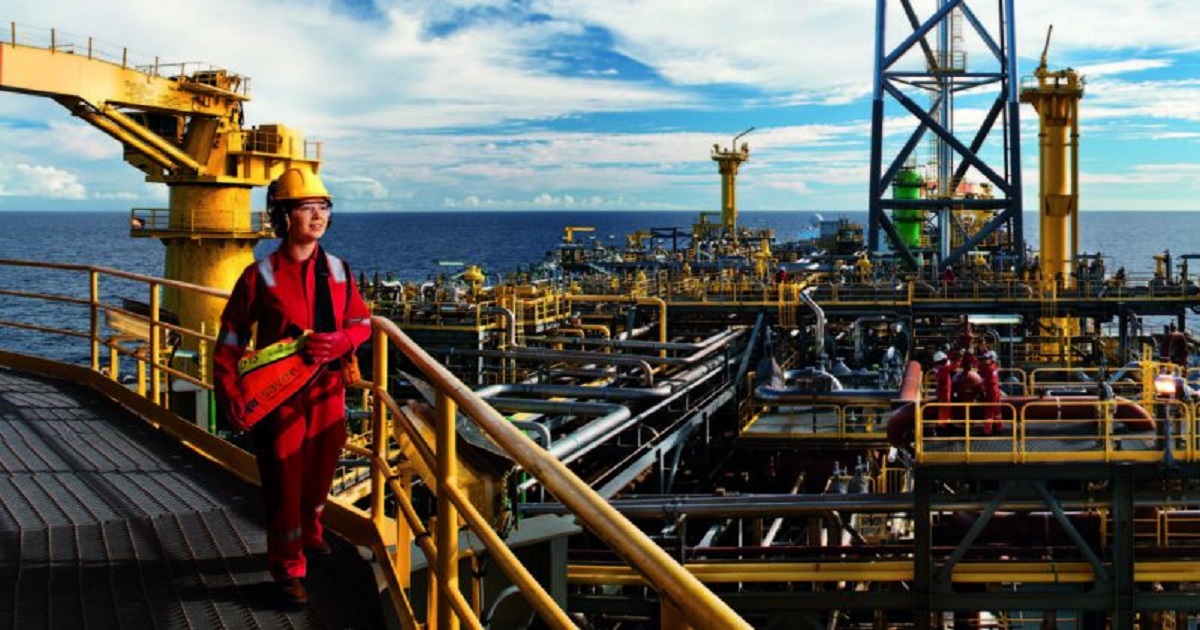

In an Official Statement to the Press, Shell Is Very Happy with Its Pre-Salt Acquisitions and Will Invest Heavily in Our Economy. Here Are the Numbers
[supsystic-social-sharing id=’1′]Shell, through its Brazil branch president, André Araújo, reinforced the importance of our country in the plans of the Anglo-Dutch state-owned company due to the success of the last pre-salt auction that took place last Friday (27), which has positioned it as a new oil powerhouse in our waters.
After this phase, the Shell executive team quickly set out to meet to define budgetary goals for injecting funds into the Brazilian economy, and to start, it announced an incredible investment of US$ 2 BILLION PER YEAR (over 6.5 billion reais at today’s exchange rate). This money will be allocated to the creation of construction sites, offices, operational bases, and various other segments of the company. In simple terms, the potential for job creation is very high! Naturally, you must be prepared. One of the basic requirements to join Shell’s employee roster is to take aEnglish course, click this link and take the specific English course.
Remember that it won 3 consortial areas in the auction, namely: Sapinhoá, Gato-do-Mato, and Alto de Cabo Frio Oeste, all in the Santos Basin, with two of these, SHELL IS THE OPERATOR.
-
Real Estate Agent Buys Marvel Movie Subway Car for $5,000 and Converts It into Themed Airbnb
-
Real Estate Agent Buys Marvel Movie Subway Car for $5,000 and Converts It into Themed Airbnb
-
Former Roma and Fiorentina Player Filipe Gomes Returns to Brazil to Found Empório do Galeto, Aiming for $10 Million Revenue by 2026
-
Canada Builds 6.2-Hectare Containment Box to Trap 615,000 Cubic Meters of Toxic Sediment in Lake Ontario


Jokingly, Araújo said that the company has been waiting for 104 years for an opportunity like this to grab a good share of Brazil’s black gold, and this goal has finally been achieved (laughs).