





Being connected no longer just means making calls or reading messages, but integrating everything into a single platform. The technology brings together fixed internet, mobile network, and streaming in the same interface, and self-service apps give the user control over consumption, bills, and plans in real-time.
The concept of being connected has completely changed in recent years, as what was once limited to making calls or checking messages has transformed into a need for total integration between home, work, and leisure moments. In this scenario, technology acts as a facilitator of routine, and choosing a telecommunications infrastructure that combines stability and innovation has become an important step.
The advantage of the modern telecommunications market is the ability to centralize essential communication services on a single platform. In this model, a network designed for high performance combines the speed of fixed internet for homes and the mobility of the fifth-generation mobile network, 5G, on the street, and the promise of this convergence is that cloud files, video calls, and social networks work smoothly in different places, while self-service apps give the user control over the plans.
An integrated communication ecosystem
The concept of being connected has completely changed in recent years, and what was once limited to making calls or checking messages has transformed into a need for total integration between home, work, and leisure. To keep up with this pace, the advantage of the modern market is the ability to centralize essential communication services on a single platform, where technology acts as a facilitator of routine.
-
World’s First Fully Robot-Operated Hotel to Begin Trials with Real Guests in 2026, Full Opening in China Set for 2027

-
Estonia Constructs Bunkers and Trenches on Russian Border to Strengthen NATO Defense and Signal Baltic Readiness

-
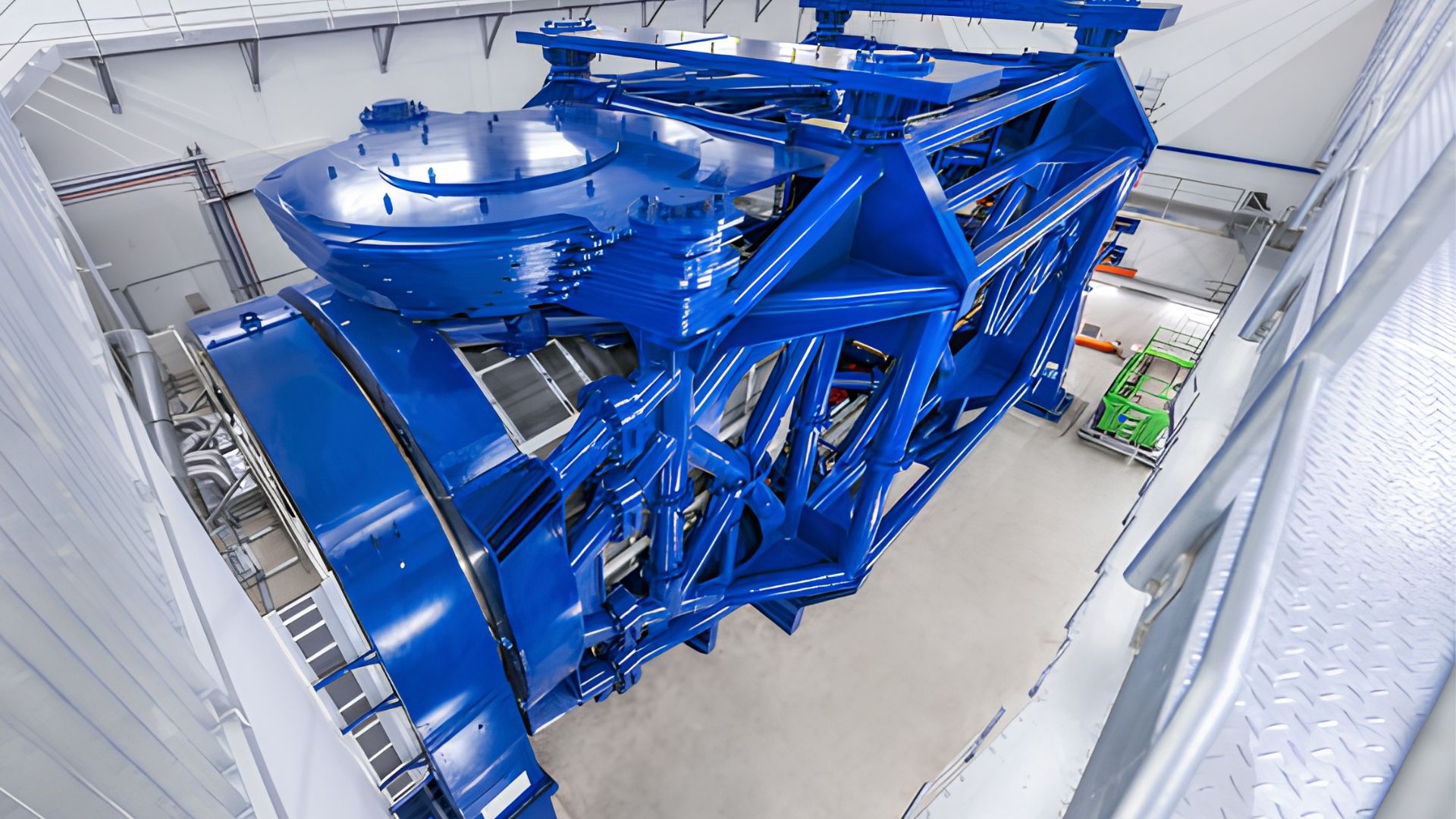
Heidelberg’s 670-ton, 25-meter medical machine rotates 360 degrees to target hard-to-reach tumors with ion beams without surgery.

-
3-Billion-Year-Old Crater May Be Earth’s Oldest Known, with Tiny Minerals Helping Scientists Solve a Billion-Year Mystery



In this model, a network designed for high performance combines the speed of fixed internet for homes and the mobility of the fifth-generation mobile network, 5G, on the street. The promise of this convergence is that cloud files, video calls, and social networks work smoothly anywhere, making technology a continuous layer between the different environments of daily life.
The convergence between TV and streaming
Home entertainment has also gained new proportions with the digitization of content, and the experience of watching movies, series, and major sports events has become much more personalized. Through intelligent systems that bring together the schedule of traditional live channels and the catalogs of major streaming platforms in a single interface, technology concentrates in one place what was previously scattered across various services.
With this integration, the user gains the freedom to start watching a program on the living room TV and finish watching it on the smartphone screen during a commute. This continuity between screens is one of the clearest signs of how connectivity technology reshapes leisure routines by breaking down the barriers between fixed and mobile.
Integrated bundles and what the consumer should consider
The hiring and upgrading of services were designed to happen simply and transparently, and one of the market trends is the possibility of creating personalized bundles that combine mobile plans with home internet. These integrated packages often offer discounts on the monthly fee and advantages such as unlimited social networks and larger data allowances, which have expanded the reach of communication technology in homes.
It is worth noting, however, that concentrating all services with a single provider also creates dependency on that company, so the consumer benefits from comparing offers from different providers before deciding. Technology offers more options, but the choice of plan should consider price, coverage in the region, and the real needs of each profile, not just the convenience of a single bill.
Managing services at your fingertips
According to Gov, The fifth-generation mobile technology (5G) has expanded connectivity beyond the walls of home or office. With ultra-high speed and ultra-low latency, 5G allows remote work (home office or “anywhere office”) and leisure on the move to function smoothly without interruptions. Besides the signal quality, the autonomy to manage one’s own plans has become an important differentiator, and through practical self-service apps, users can monitor internet consumption in real-time, issue duplicate invoices, and perform performance tests instantly. This puts in the consumer’s hands tasks that previously depended on calls to a customer service center, marking another advancement in communication technology.
This ease saves time and provides more financial and administrative control over the contracted services, as the user monitors consumption and costs without intermediaries. In this sense, technology not only improves the connection but also changes the relationship between the customer and the provider, with more transparency and autonomy.
Smart connectivity has changed the way we live, with technology integrating home, work, and leisure into a single network that combines high-speed fixed internet, the mobility of 5G, the convergence between TV and streaming, and self-service apps that give users control over consumption and plans in real-time. A robust and modern infrastructure tends to offer more stability and convenience, but consumers benefit by comparing offers and weighing the costs of concentrating all services with a single provider, taking into account price, coverage, and the real needs of each profile. Modernizing connectivity can make the routine more practical and agile, as long as the choice of technology fits into each person’s daily life, and not just the appeal of a single package.
And you, how has smart connectivity changed your routine? Do you prefer integrated bundles that bring everything together in one place, or separate services from different providers? Share your experience and exchange ideas with other readers about technology and connectivity.


