Portuguese
  Spanish


With Support from Fiep and Tecpar, Paraná Presents Renewable Solutions at Smart Energy 2025, Gathering Experts to Discuss Innovation and the Future of the Brazilian Energy Sector
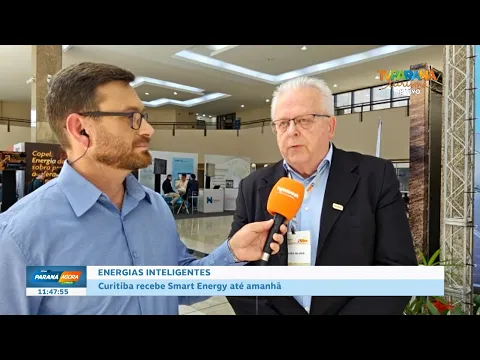
The state of Paraná was the stage, this Wednesday (10), for the opening of the Smart Energy 2025 – International Conference on Intelligent Energies, an event that brought together around 1,200 participants at the Events Center of Fiep, in Curitiba.
Organized by the Paraná Technology and Metrology Network, with promotion from the Paraná Institute of Technology (Tecpar) and Fiep itself, the meeting runs until Thursday (11), addressing the main challenges and scenarios of the national and international energy sector.
The conference aims to foster discussion on innovation, sustainability, and energy transition, gathering specialists, public managers, entrepreneurs, and academics. The program includes lectures, technical panels, and presentations of successful cases, focusing on solutions that can transform the Brazilian energy landscape in the coming years.
-
Brazilian scientists are simultaneously advancing two research projects on clean hydrogen and driving solutions that could transform the energy matrix, enhance industrial competitiveness, and accelerate large-scale emission reduction targets.

-
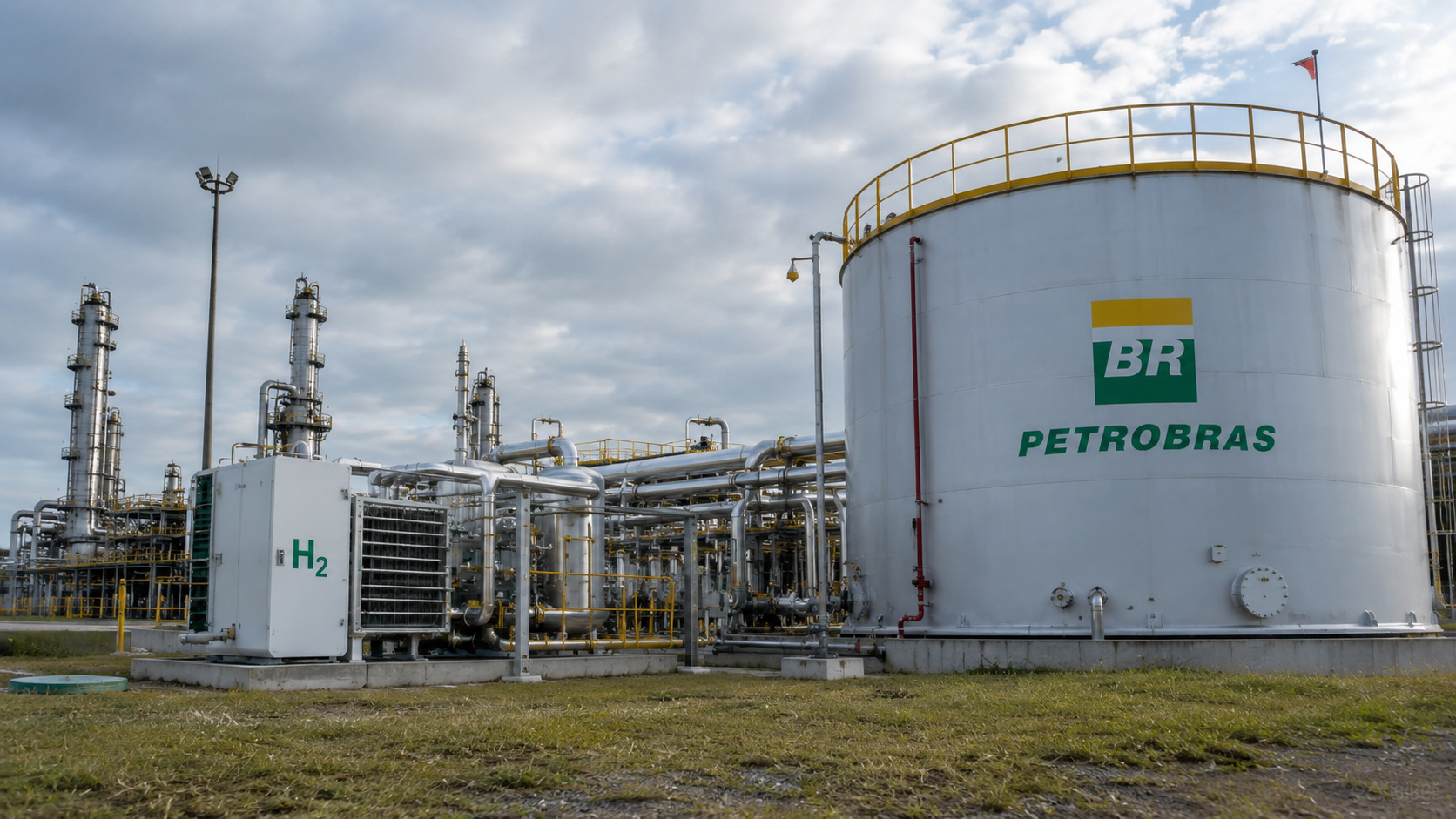
Advancement in renewable energy: A R$ 150 million project launched by Petrobras and Finep aims to create state-of-the-art electrolyzers for green hydrogen, strengthening national research and preparing Brazil to compete in a billion-dollar energy market.
-
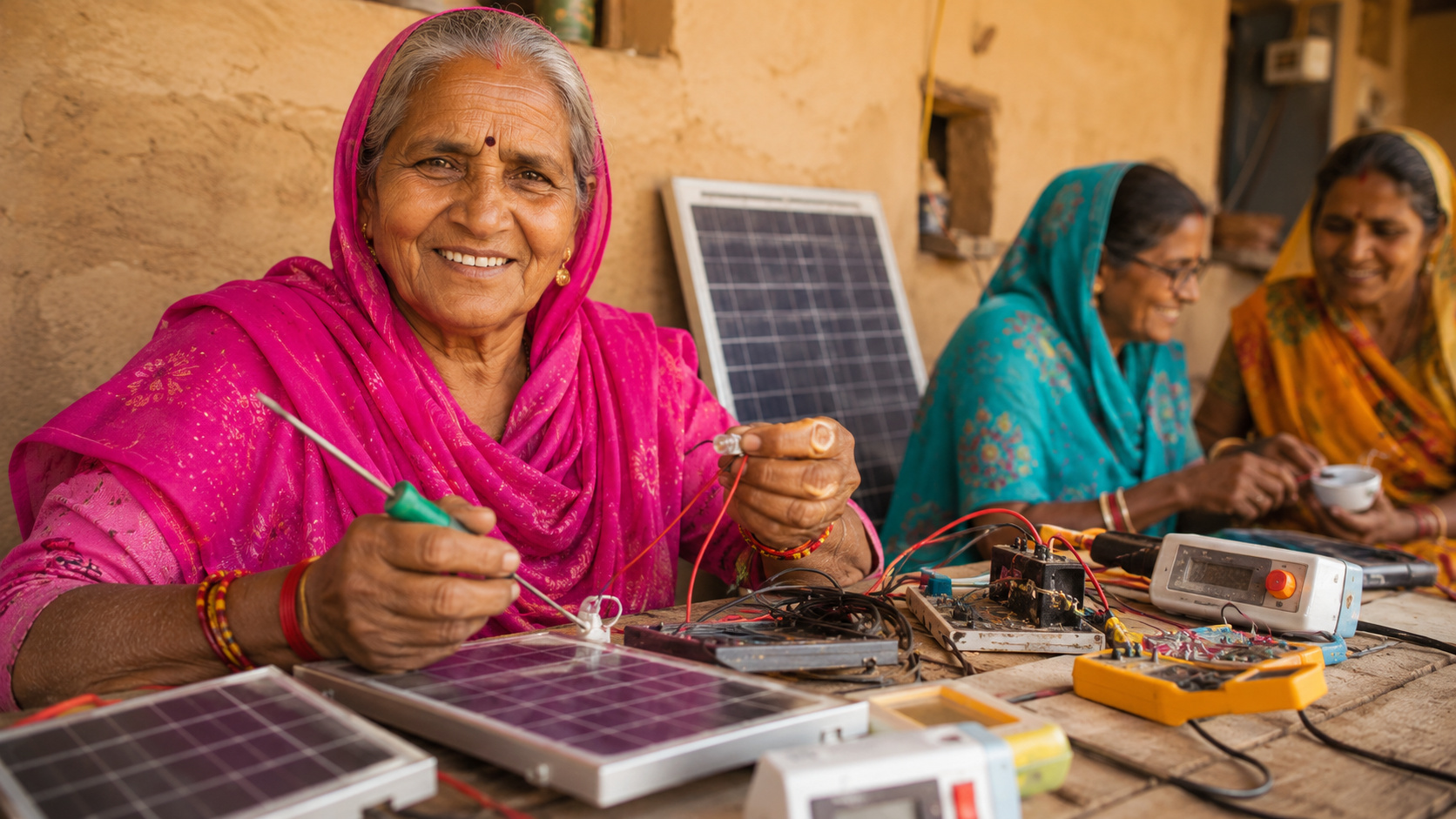
Illiterate or semi-literate grandmothers were trained to repair solar systems, open rural workshops, and light up homes that still depended on kerosene.
-
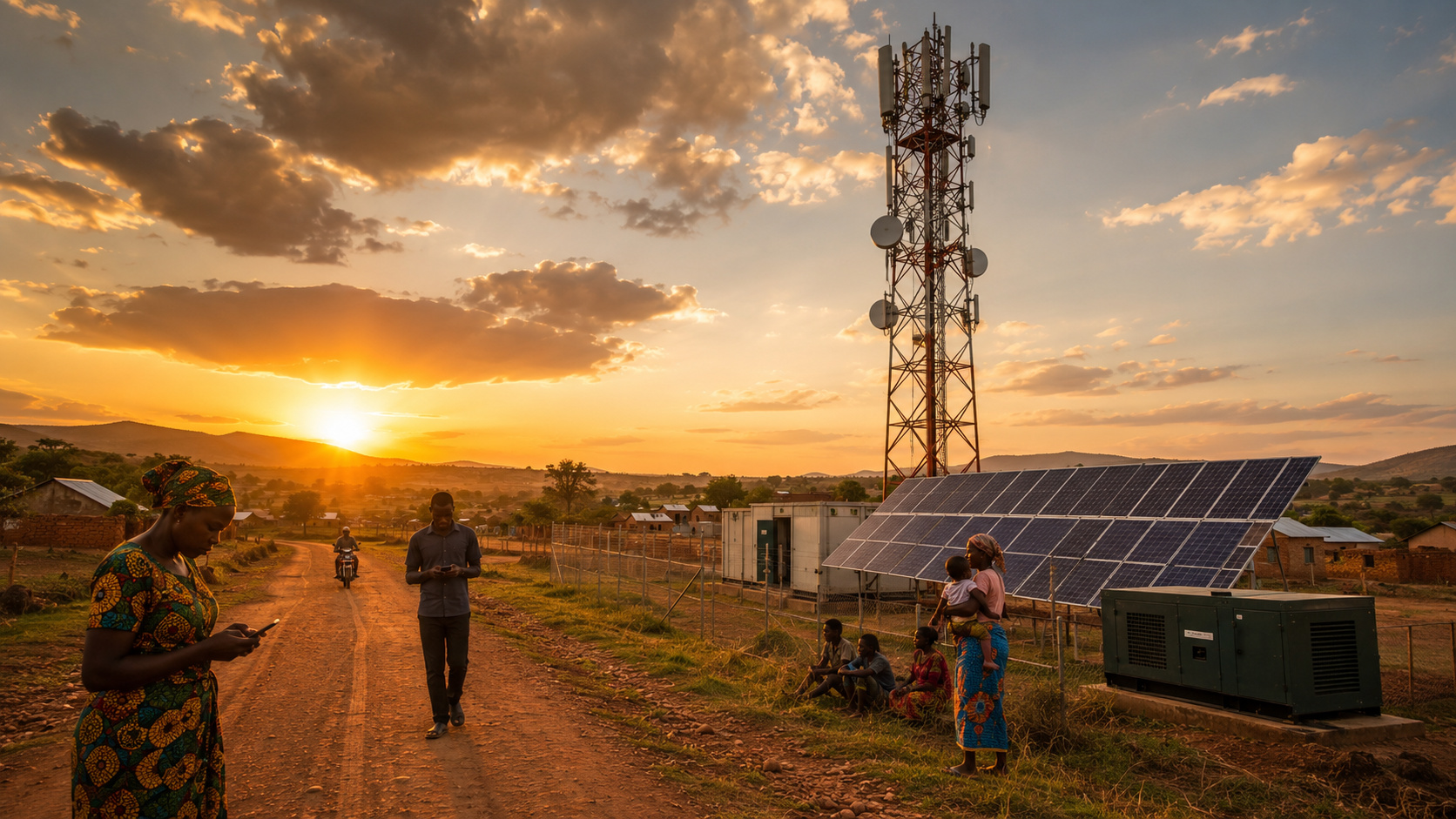
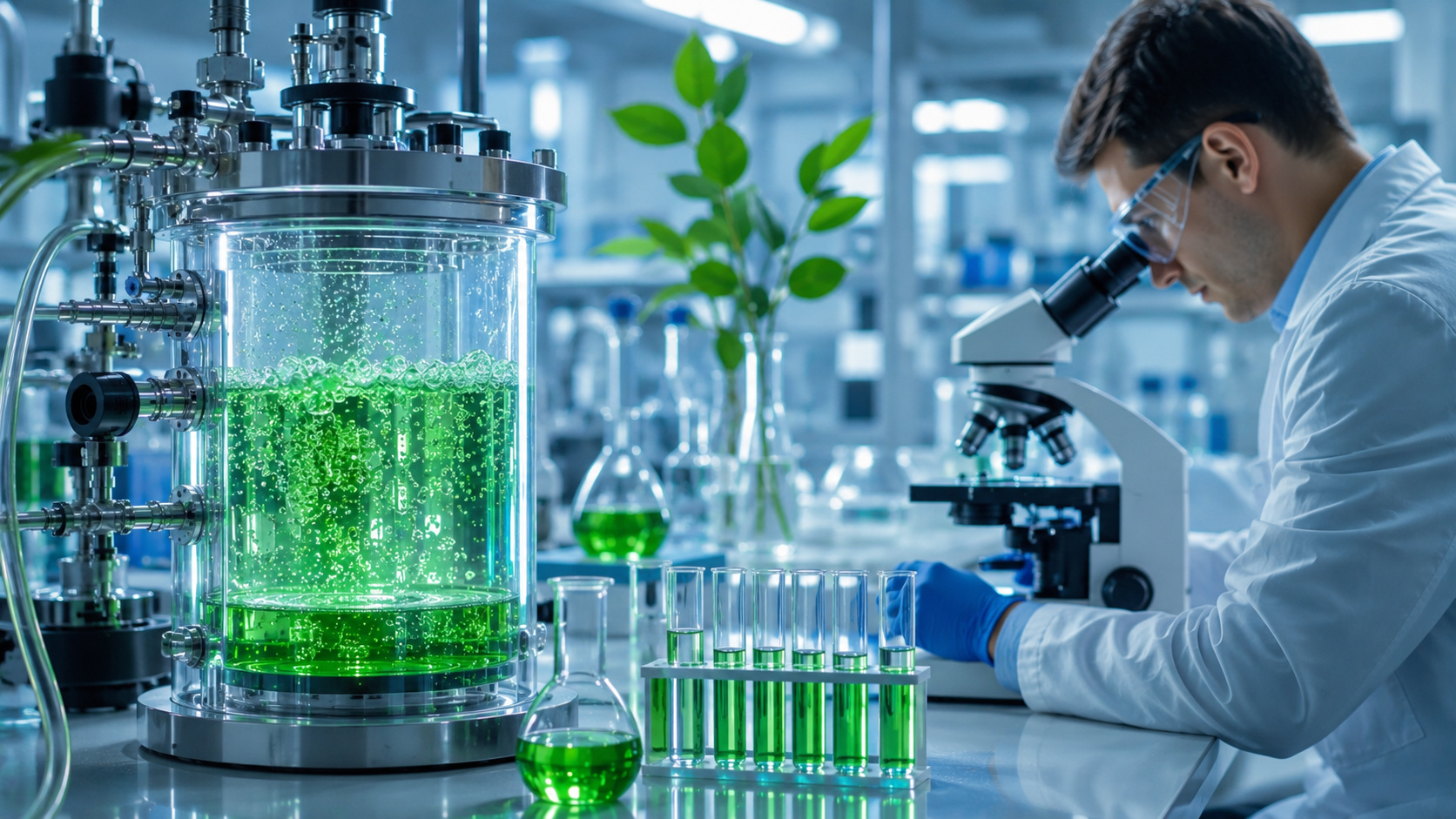
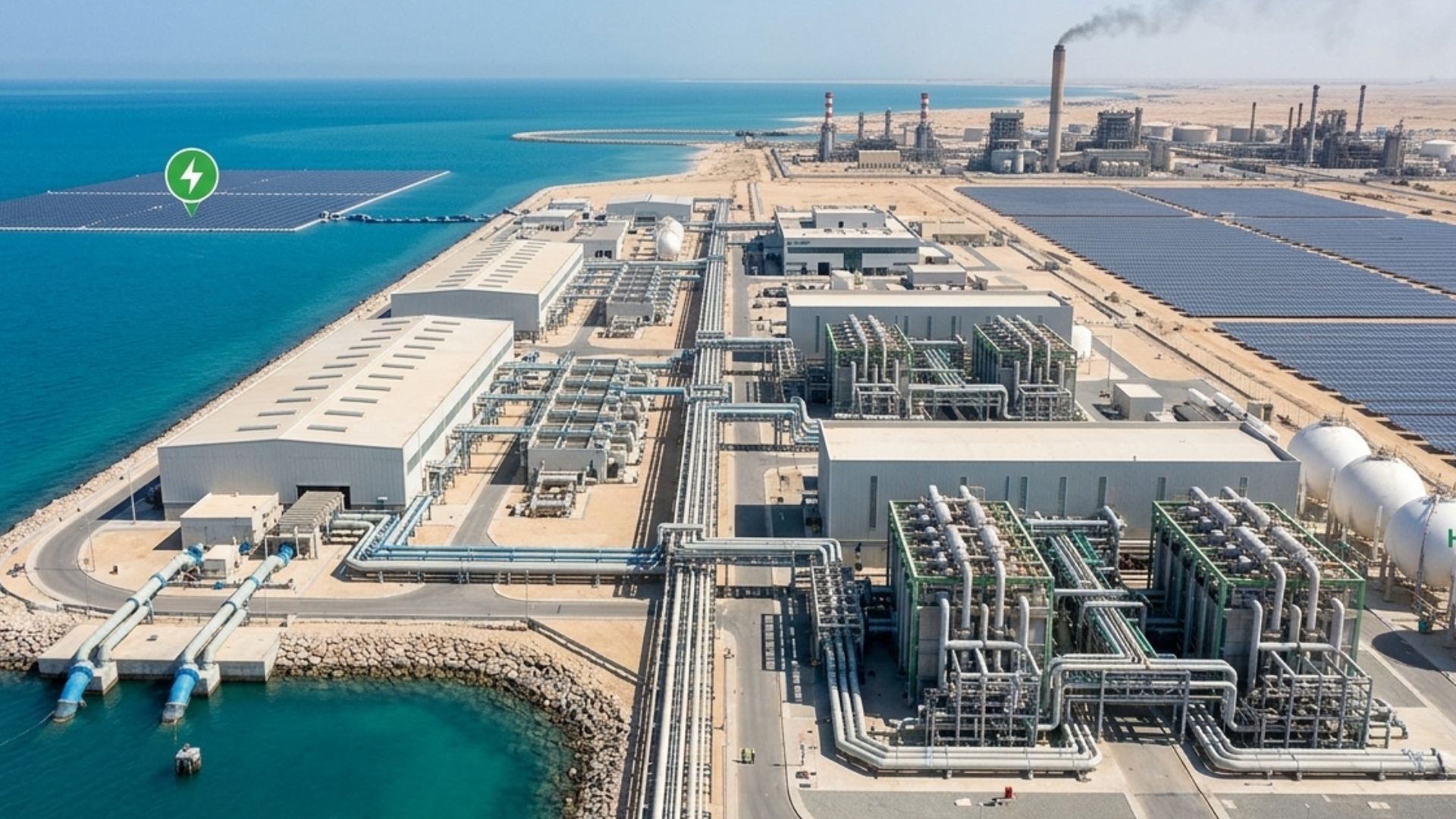
The world has bet on green hydrogen as the fuel of the future, but now faces the side effect: producing 1 kilogram requires about 9 liters of ultrapure water, and the largest projects on the planet are precisely in the driest regions of the Earth, where water is already scarce for people.

Opening of Smart Energy 2025 Highlights Innovation and Sustainability
The ninth edition of the Smart Energy 2025 began with a keynote lecture on sustainability in the electric sector, delivered by Sandoval Feitosa Neto, General Director of the National Electric Energy Agency (Aneel). He emphasized the importance of intelligence in power grids, the need to space out consumption, and advances in energy efficiency with less impact on the consumer.
Feitosa also noted that Brazil has an electricity matrix composed of 87% renewable sources, while the world average is only 28.1%. According to him, this competitive advantage should be leveraged to position the country as a global reference in clean energy. The electrification of productive sectors, electric mobility, and distributed generation were highlighted as pathways to reduce greenhouse gas (GHG) emissions.
Paraná Leads the Energy Transition with Renewable Matrix
The Superintendent of Energy Management of the Government of Paraná, Sandro Nelson Vieira, presented data that place the state as a leader in clean energy. With a matrixof renewable energy of approximately 98%, Paraná stands out for using sources such as hydropower, solar, and wind energy.
Vieira introduced the concept of “energy transition 2.0,” which involves utilizing the biomass generated by sectors such as agriculture, sugar-energy, and animal protein for the production of biogas and biomethane. This approach reinforces Paraná’s role as a protagonist in the search for sustainable and efficient solutions for the energy sector.
Furthermore, Vieira emphasizes that the state has invested in public policies that encourage distributed generation and the use of clean technologies. The goal is to enhance energy security, reduce costs, and promote regional development based on renewable sources.
Fiep and Tecpar: Strategic Partnerships for the Future of Energy
The Vice President of Fiep, Helio Bampi, addressed the challenges of ensuring energy security by 2030 and doubling the capacity of the transformation industry. He highlighted that Paraná is experiencing a virtuous moment and that Fiep, through its Energy Thematic Council, has contributed to aligning forces among industry, government, and society.
The Fiep also acts as a facilitator of projects that involve energy efficiency, professional training, and encouragement of innovation. According to Bampi, it is essential that the productive sector aligns with global trends of decarbonization and digitalization.
The Tecpar presented initiatives aimed at expanding access to clean and efficient energy. Among the highlighted projects are research on green hydrogen and energy solutions for agribusiness, such as using pig waste for biogas production. A practical example is the municipality of Entre Rios do Oeste, which has become a national reference by transforming waste into energy.
Celso Kloss, Director of New Business and Institutional Relations at Tecpar, reinforced that the institution is committed to energy transition and to the development of technologies that can be applied at scale. He emphasized that Tecpar collaborates with universities, companies, and public agencies to accelerate innovation in the sector.
Smart Energy 2025: Technical Program and Topics Under Discussion
The program of the Smart Energy 2025 remains intense on the second day, with presentations on:
- Sustainable Fuels for Aviation and the Maritime Sector
- Innovation in the Field and Decarbonization in Agriculture
- Smart Grids and Digital Innovation
- Energy Transition in Paraná: Challenges and Opportunities
- Integration Between Energy and Industry 4.0
The closing will feature a lecture by Bill Costa, Manager of the Advanced Center for Energy Transition and Decarbonization at Tecpar, reinforcing the institution’s commitment to sustainable development and technological innovation.
In addition to the lectures, the event features an exhibition area where companies present solutions in distributed generation, energy storage, electric mobility, and energy efficiency. The space also promotes networking among participants, stimulating partnerships and new businesses.

Smart Energy 2025: Paraná as a Protagonist of Intelligent Energy
The holding of the Smart Energy 2025 in Paraná highlights the state’s leadership in building a cleaner, more efficient, and innovative energy future. With an almost entirely renewable matrix and strategic initiatives led by institutions such as Fiep and Tecpar, the state consolidates itself as a national and international reference in the energy sector.
The event reinforces the importance of collaboration among government, industry, and academia to face the sector’s challenges and explore new opportunities. The energy transition is not only a global trend but an urgent necessity, and Paraná shows that it is prepared to lead this movement.
The Smart Energy 2025 also demonstrates that Brazil has the potential to become an exporter of sustainable energy solutions, leveraging its clean matrix and innovation capacity. The engagement of institutions such as Fiep and Tecpar is essential to transform this potential into reality.