Portuguese
  Spanish


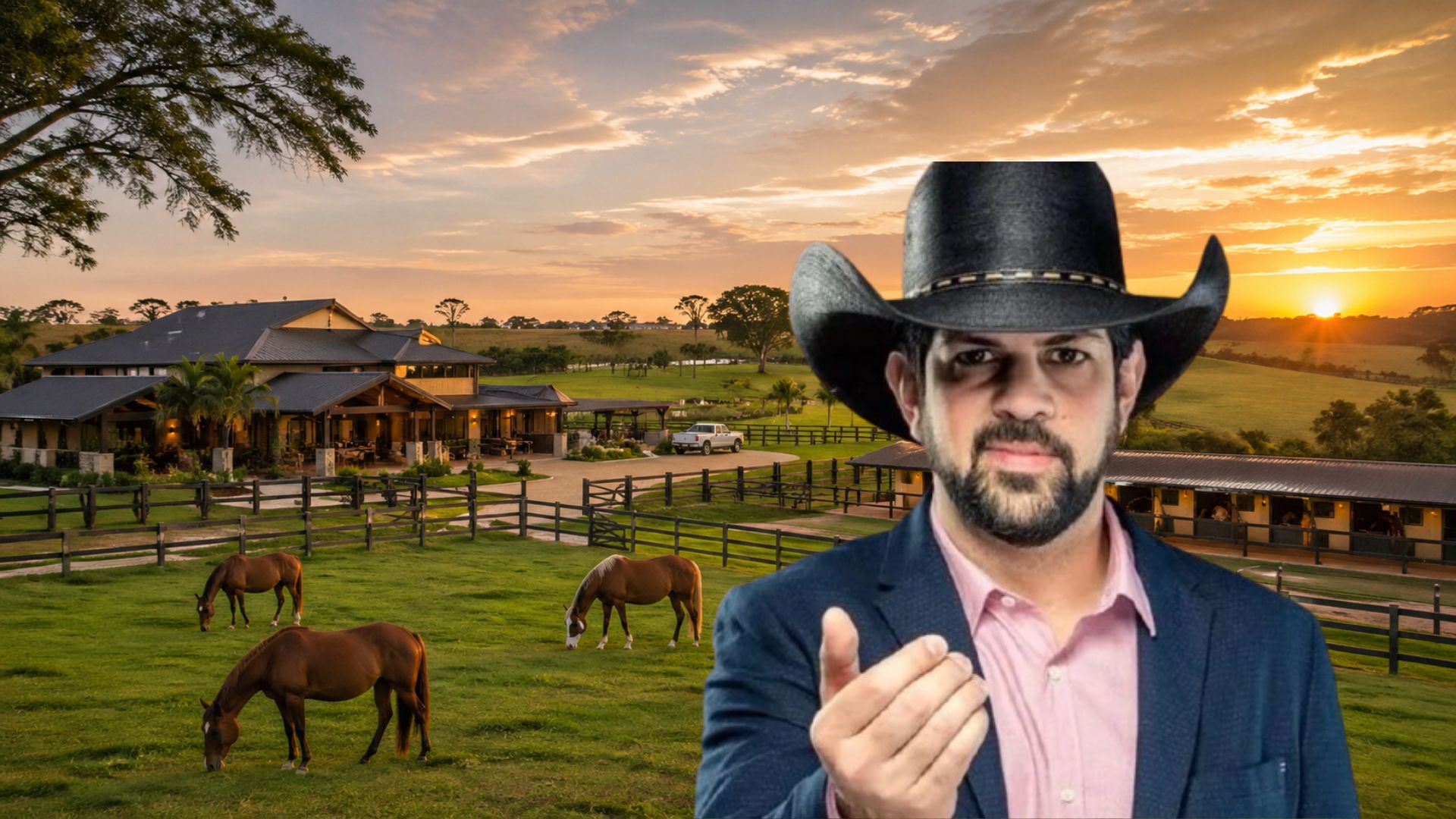

Millionaire rural project in São Paulo’s countryside reveals how agricultural tradition, technological innovation, and responsible environmental practices are transforming properties into true models of the new Brazilian agribusiness
The country music universe has always maintained a direct connection with the countryside. However, for some artists, this connection goes far beyond aesthetics or musical inspiration. This is the case of Sorocaba, who transformed his passion for rural life into a solid, sustainable, and highly valued enterprise in the interior of São Paulo.
Between professional commitments, shows, and recordings, the singer divides his routine with a millionaire farm that stands out for combining agricultural tradition and technological innovation. The project, which initially emerged as a refuge away from the stage, quickly evolved into a reference within Brazilian agribusiness.
Furthermore, the property gained notoriety for adopting modern sustainable management practices, an increasingly relevant differential in the sector. In this sense, the farm not only generates economic value but also reinforces a model of responsible production aligned with new environmental demands.
-
She bought a used motorhome at 23, refused an expensive renovation, dismantled furniture from the old apartment, and created a home on wheels with compact carpentry and repurposed pieces.

-
At 7 years old, boy swaps toy cars for raising bantams, dreams of becoming a veterinarian, and conquers the internet with his routine in the countryside of Santa Catarina; meet Luiz Miguel, the “Piá do Garnizé”

-
New York removed the tracks from over 2,500 subway cars and dumped everything at the bottom of the Atlantic, and what seemed like trash turned into an artificial reef teeming with fish and divers.

-
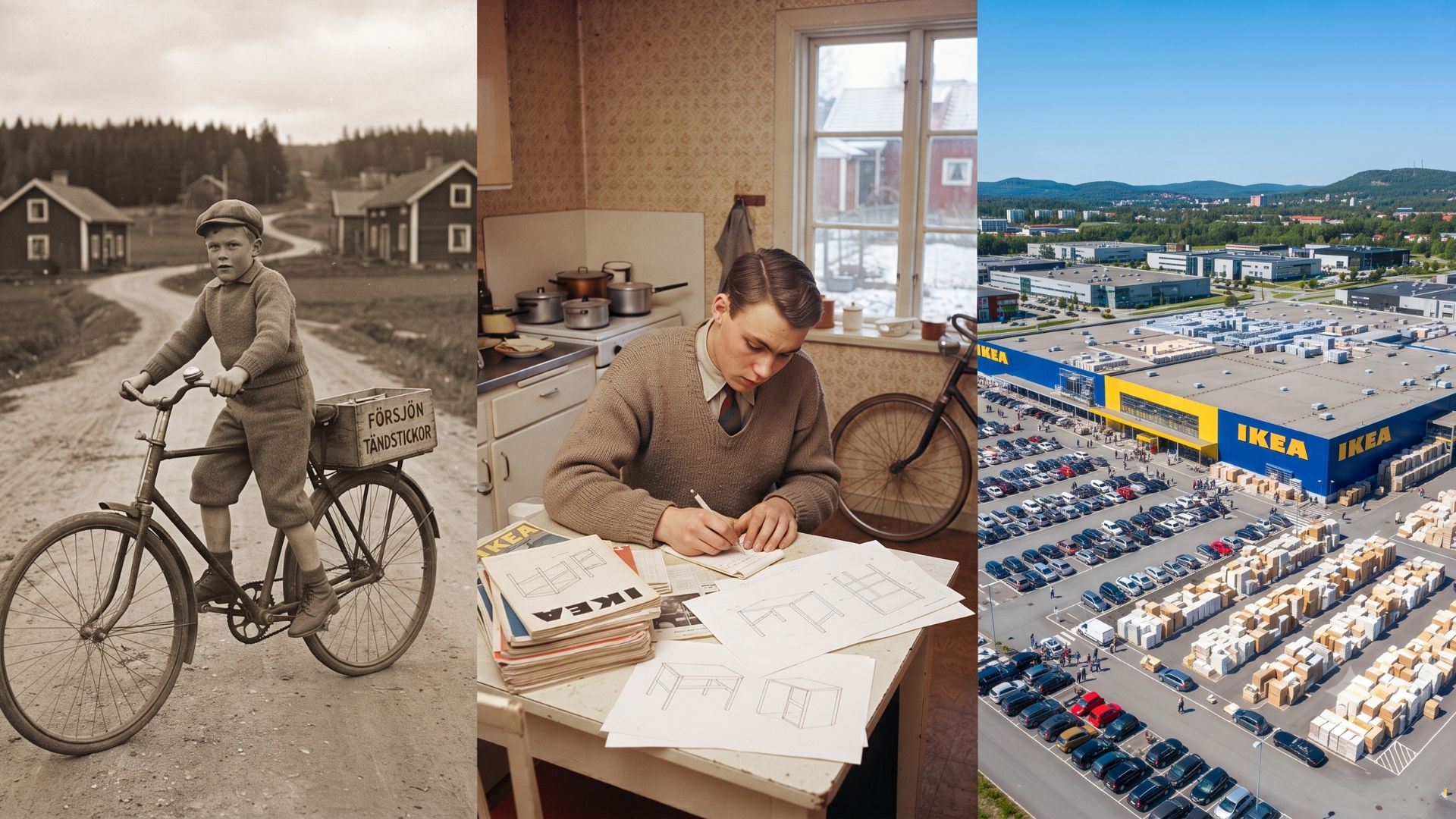
From matches sold by bicycle at age 5 to a global furniture empire: the lumberjack’s son founded IKEA at 17 in his uncle’s kitchen and transformed a small company into the largest furniture retailer on the planet.


Fazenda Vista Alegre in Jaguariúna combines rural luxury, cutting-edge genetics, and professional structure

Located in Jaguariúna, Fazenda Vista Alegre goes far beyond a leisure property. The space was structured to function as a true center of excellence in animal breeding, especially in the high-standard horse segment.
The choice of the region was not by chance. Jaguariúna combines agricultural tradition, proximity to large urban centers, and adequate infrastructure for large-scale projects. Thus, the farm manages to combine tranquility, efficient logistics, and easy access.
One of the great highlights of the property is the breeding of Quarter Horse horses, considered one of the most valued breeds in Brazil. Recognized for their speed, endurance, and intelligence, this lineage requires rigorous technical care — something the farm executes with a high level of professionalism.
According to the Compra Rural website, the property invests in management practices that prioritize animal welfare and the quality of life of workers. The structure includes large pasture areas, spaces dedicated to training, and constant veterinary monitoring.
Meanwhile, modern systems ensure efficient sanitary control, balanced feeding, and continuous monitoring of the animals. These factors are essential for properties seeking genetic excellence and market recognition.


Sustainability in the countryside gains strength and redefines the future of agribusiness
Unlike traditional models focused exclusively on production, Fazenda Vista Alegre follows a proposal aligned with the contemporary demands of the rural sector. The focus is on sustainability as a central pillar of growth.
In this context, the adopted management reduces environmental impacts, respects natural cycles, and ensures adequate conditions for the animals. Furthermore, the use of technology allows for greater productive efficiency without compromising natural resources.
On the other hand, this approach also strengthens the property’s image in the market. After all, consumers and investors are increasingly attentive to the environmental and social practices adopted by companies — including in agribusiness.
Experts highlight that sustainable properties tend to show greater appreciation over time. This is because, in addition to productivity, they deliver environmental responsibility, which is becoming a relevant competitive differentiator.
Animal welfare and quality of life for workers are part of the strategy

Another point that draws attention on the farm is the concern for the work environment. The structure was planned to offer dignified conditions to employees, with organized spaces suitable for different rural activities.
Furthermore, animal care goes beyond the basics. The project includes specific areas for rest, training, and medical monitoring, ensuring the horses’ quality of life and optimal performance.
While many properties are still in the process of adapting to new market demands, initiatives like Sorocaba’s show that it is possible to reconcile tradition and innovation. In this way, the singer not only diversifies his investments but also contributes to the evolution of Brazilian agribusiness.
Therefore, the case of Fazenda Vista Alegre reinforces a growing trend: the Brazilian countryside is increasingly technological, sustainable, and professional. And, in this scenario, well-structured projects stand out and become a national reference.