






 Portuguese
  Spanish


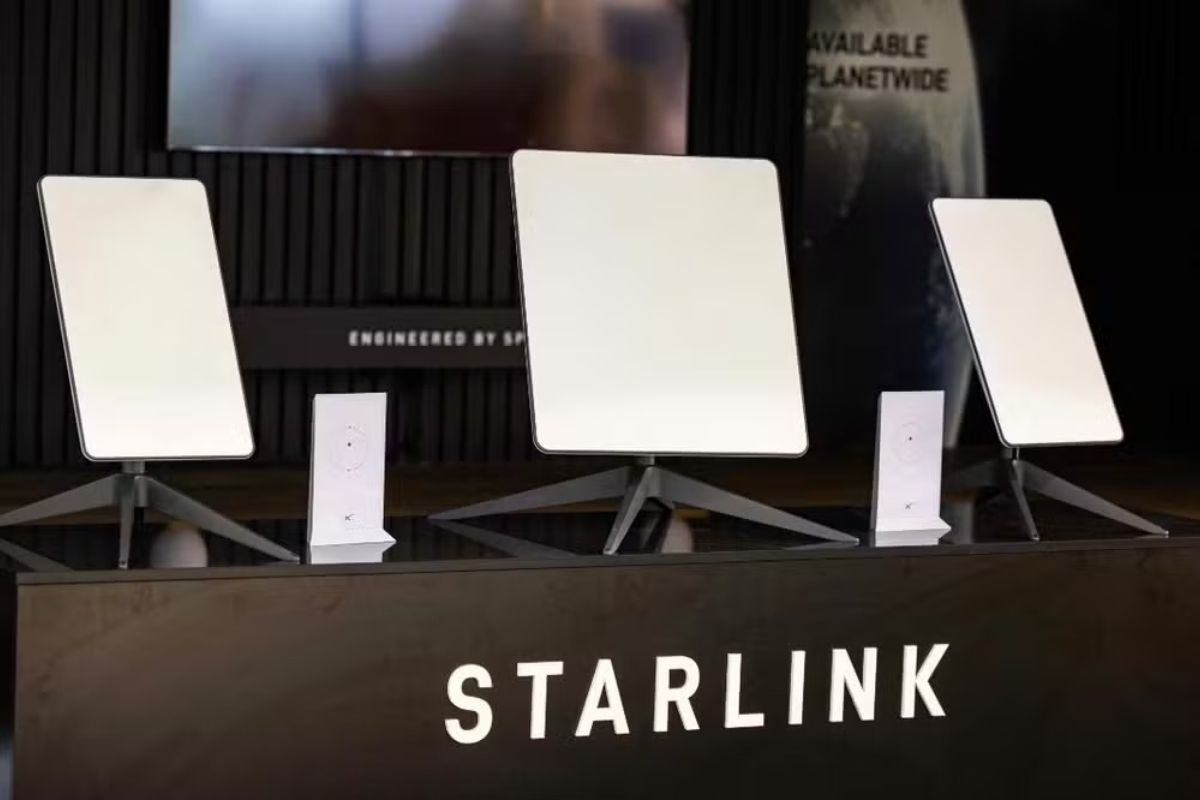


In Brazil, Starlink Restructures Pricing and Contracting Formats by Combining Family Plan with Free Mini Antenna in Promotional Scenario, Payment via Pix, More Data in Travel Plan, and Return Campaigns for Cancellations—A Move That Pressures Comparison with Traditional Broadband Providers in Various Brazilian Regions.
Starlink has launched a promotional package in Brazil that mixes price reduction, payment facilities, and incentives for multiple subscriptions, with potential to influence the comparison that many families make between traditional fixed internet and satellite connection. The most sensitive point is not just the discount, but the combination of conditions in a single commercial moment.
In practice, the move brings together a family plan, free mini antenna in a promotional format, Pix for purchase and monthly fees, increased data allowance in the travel plan, and offers for those who have already canceled. This broadens Starlink’s reach across different usage profiles, from residential backup to frequent travel, and puts competitive pressure on providers in niches where fiber still fails.
What Changed in the Package and Where Is the Commercial Appeal

The most striking element is Starlink’s family plan in Brazil, described as a model where two subscriptions generate a 25 percent discount on the total price. In this arrangement, the narrative presented suggests the possibility of reducing the combined monthly cost and still receiving a free mini antenna in a promotional scenario.
-
Indian Inventor, 58, Develops Steering Wheel-Free Agricultural Machine Operated by Levers, Offering Cost-Effective Alternative to Expensive Tractors

-
Scientific Breakthrough: Bacteria Found in a Rio de Janeiro Lagoon Guide Mars Research After Scientists Identify Similarities to Extreme Environments, Expanding Understanding of Extraterrestrial Life Possibilities

-
Brazilian Mechanic Wins Indian Presidential Award for Inventing Fuel-Efficient Agricultural Machine

-
Brazilian Polilaminin Reaches 100 Spinal Cord Injury Patients Through Compassionate Use, Shows Progress After 6 Months, Highlighting UFRJ’s Role in Experimental Regeneration Research




This is an offer designed for those with two usage points, such as home and work or primary residence and vacation property.
The values mentioned in the report indicate a reference of R$ 472 dropping to R$ 354 per month in the combined package, with the mini antenna associated with the promotion.
This setup alters the traditional logic of individual contracting and attempts to increase retention and volume per client, something relevant in Brazil, where the entry cost still weighs heavily in the decision to switch to Starlink in areas outside the major centers.
Who Can Actually Benefit and How This Account Adds Up Day-to-Day
The profile most favored by Starlink’s family plan tends to be users with a real need for two connections, rather than simply curiosity about the technology.
Those who split their routine between city and countryside, maintain a vacation home, or rely on contingency internet may see greater value in the package, because the mini antenna serves as a mobility component and operational backup. Without this second usage scenario, the discount loses some of its practical strength.
There is also an important operational question that still depends on a formal response from support, according to the report used as a basis.
The question is whether those who already have two active or reactivated Starlinks can join the family plan while also accessing the promotional mini antenna condition. This detail directly affects the total cost and the perception of commercial fairness for those who were already customers in Brazil.
Pix, Travel Plan, and Reacquisition of Cancellations Change the Entry Barrier
The acceptance of Pix by Starlink for purchasing equipment and paying for subscriptions is a significant change in Brazil because it reduces dependence on credit cards and available limits. In a market with high Pix adoption, this decision tends to increase conversion among those who were interested in the service but were held back by payment methods.
It is a simple commercial adjustment, but with potentially large effects on adoption.
Another focus of the update is Starlink’s travel plan, which now offers 100 GB in the R$ 315 plan, maintaining the price and increasing the data allowance compared to the previously mentioned level.
Additionally, there are mentions of reacquisition offers for those who canceled, including a 50 percent discount on two-year contracts. Together, the travel plan, Pix, and return campaigns indicate a strategy to reduce churn and increase recurring use.
Technical Limits, Comparison with Fiber, and What Could Become a Problem for Providers


Even with commercial advances, Starlink is still described as having limitations in uses that require continuous stability for many hours, especially for live broadcasts.
In the material presented, there is positive feedback for gaming, file transfers, and video calls, but an important caveat for long live streams. This point separates marketing from real experience, and is decisive for those comparing the solution with fiber in a professional environment.
The speeds mentioned in the report reach around 280 Mb in the mini, with higher records in some tests, while larger versions can achieve superior levels according to the described experience.
At the same time, the comparison with fiber remains unfavorable in absolute stability. For providers, the competitive risk is not in replacing all urban broadband at once, but in losing backup customers, peripheral areas, and locations without good infrastructure in Brazil.
Why Brazil Became a Central Piece in Starlink’s Strategy
Brazil emerges as a strategic market for Starlink by combining pent-up demand for connectivity outside the capitals and a large territorial extension with infrastructure gaps. The presented reading is that the company sees room for rapid growth in regions where fiber does not arrive with quality or where the available network is considered weak.
In this context, pricing, cheaper kit, and Pix form a package for expansion, not just an isolated promotion.
There are also cited numbers that reinforce Starlink’s ambition for scale, such as a significant participation of Brazilian users in the base and global growth of the system, as well as plans to increase kit production and continuous expansion of the constellation.
Although part of these projections is approached with caution even by those reporting them, the strategic signal in Brazil is clear: increase penetration, reduce purchasing friction, and create offers for entry, mobility, and customer return.
Starlink has gathered in Brazil a set of changes that simultaneously address pricing, convenience, and retention, with a family plan, promotional mini antenna, Pix, a more robust travel plan, and offers for those who canceled. The real impact on providers will depend less on the announcement itself and more on execution, perceived coverage, and user experience in each scenario.
If you live in Brazil and have considered using Starlink as primary internet, backup, or travel connection, which combination would make you switch today: family plan with mini antenna, payment via Pix, discount for return, or larger data allowance in the travel plan, and in which city would that make a difference?








Essa reportagem é zoeira né? Ameaçar operadora que hj oferece fibra por 79 reais com esses planos capados custando 300?
O preço da starlink é muito caro, mesmo que seja em área rural.
Eu pago R$49,00 na área rural e está me atendendo.
Outra coisa, mesmo em área rural eu tenho Fibra.
O valor para concorrer com as operadoras precisa ser até R$100,00 mês.
Muito caro