Portuguese
  Spanish



Seeking to Enhance Its Production, Stellantis Closed a New Partnership with TIM and Accenture to Install 5G Technology at the Jeep Factory in Goiana. The Company Plans to Build a Second Project at the Factory in November
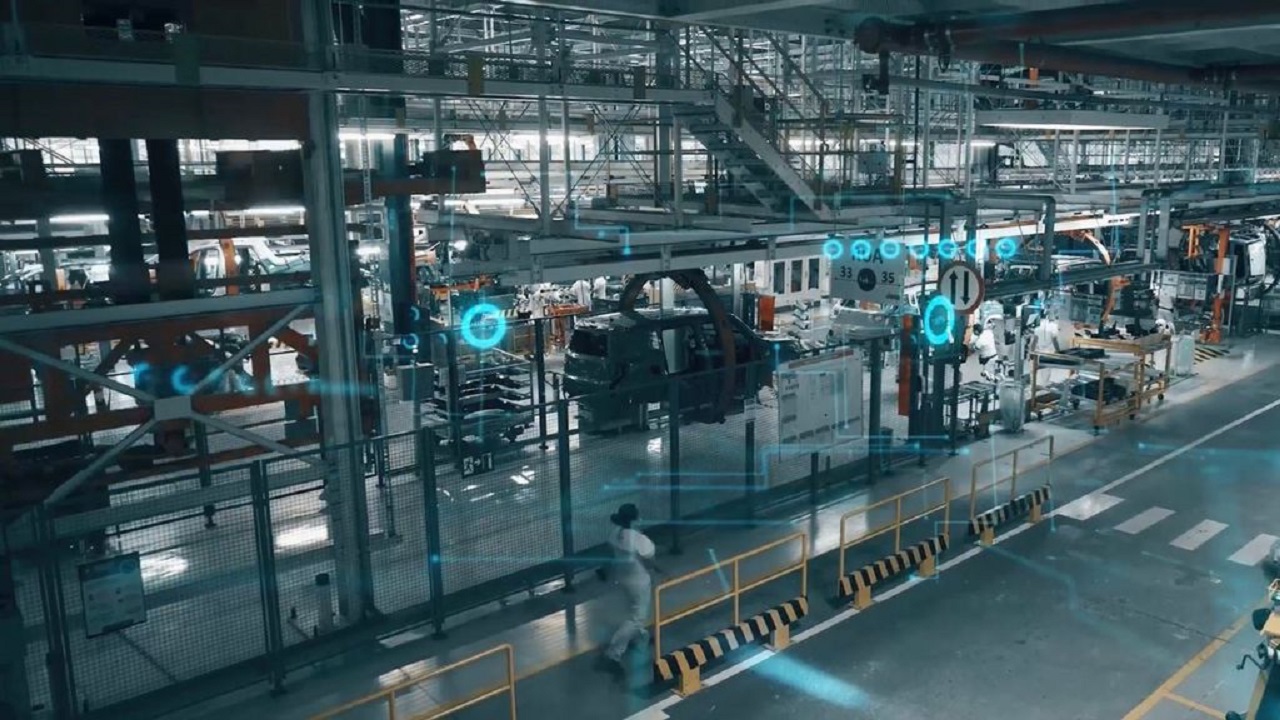
Stellantis, owner of Fiat, Jeep, Peugeot, and other brands, has partnered with consulting firm Accenture and telecommunications operator TIM to start installing a 5G connectivity project at the Jeep factory in Goiana (PE). This is a management model for the industrial environment that consists of a private network, cloud computing, and artificial intelligence.
Read Other Related News
Understand the Role of Each Company at the Jeep Factory
The pilot project took three months to install, was developed by Stellantis and the other two companies, and is already integrated into the factory floor of Jeep. TIM was selected as the telecommunications provider to supply the entire 5G network and infrastructure, installing the AS network core in the public cloud, creating an integrated digital environment.
-
End of an era in Brazil: beloved sedan by Brazilians is discontinued despite having a 2.0 engine with 151 hp, CVT transmission, 466-liter trunk, and up to 650 km of range.

-
New Law Proposal in Brazil Could Heavily Penalize Drivers: Dangerous Overtaking May Become a Serious Offense with Fines Increased Tenfold and a 12-Month License Suspension; Update on 2026 Progress

-
Electric Revolution: Watts W125 Motorcycle Offers 160 km Range, 90 km/h Speed, and Affordable Price Starting at $3,000
-
General Motors Replaces Over a Thousand Workers with 50 Cobots at Electric Vehicle Plant, UAW Union Criticizes Move Amid Industry’s Automation Push


Accenture was tasked with integrating this network with video analysis of its Solutions AI for Processing assets and image automation resources to enhance the quality of Jeep production and safety in the factory.
Understand How the Use of New Technologies Will Work in Practice at the Stellantis Factory

In practice, the system will read the tags on each vehicle and through AI systems, it will be able to identify production faults and even which items have been implemented in a specific vehicle.
After the vehicle tags are affixed to its rear, a camera captures images while the vehicle moves along the production line of the factory. With the use of the 5G architecture offered by TIM, data is transmitted in real-time to the Accenture tool operating in the cloud.
Accenture’s AI software checks the compliance of the signature and informs the result in real-time to quality inspection operators to decide whether the Jeep is released or not. Finally, performance indicators guide managers regarding the quality of the assembly process. Thus, there is greater control over all items installed in the car.
New TIM and Accenture Project Will Be Installed in November
According to Stellantis’ president for Latin America, Antonio Filosa, this is a crucial step to transform the Goiana unit into the first factory in the sector integrated with 5G technology, offered by TIM. It is an achievement that demonstrates Stellantis’ commitment to constantly innovate with a focus on customer quality.
According to Stellantis, the systematic learnings from this first phase will be used in a second, more complex project, which will begin installation in November.
The chosen theme is the traffic of Automated Guided Vehicles. The technology will be responsible for controlling the movement of automatic carts, eliminating the need for magnetic or physical tracks on the floor. This more complex project will utilize and test faster data traffic through the 5G network, taking advantage of its efficiency differentials, such as reliability, high speed, and ultra-low latency, as well as a high data transfer rate.