Portuguese
  Spanish


Orange Juice By-Product Becomes Sustainable Bioplastic and May Revolutionize Eco-Friendly Packaging. Eco-Friendly Alternative May Help Combat Plastic Pollution and Boost The Circular Economy.
Plastic pollution is considered by the World Health Organization to be the second greatest environmental problem today. To face this challenge, Pedro Henrique Bezerra, a researcher at USP, developed sustainable biofilms from by-products of orange juice.
The project was carried out at the School of Animal Science and Food Engineering (FZEA-USP) in Pirassununga (SP) and aims to provide a viable solution for the packaging industry.
The study, which reinforces the concept of a circular economy, utilizes waste such as peels, seeds, and pulp—materials rich in fibers, antioxidants, and bioactive compounds—to create a bioplastic with superior mechanical and thermal properties.
-
South Korea to Sink 20 Massive Concrete Coffers Off Busan Coast to Build 1.4 km Breakwater at Jinhae New Port, Part of $9.4 Billion Expansion to Rank Among World’s Top 3 Ports

-
Venice Deploys 78 Massive Steel Gates to Shield City from Extreme Adriatic Tides

-
China Uses 432 Robots to Move a 7,500-Ton Historic Building in Shanghai, Preserving Architecture While Creating Space for Underground Center
-
World Cup Ball Chip Uses Technology to Detect Invisible Touches, Confirms Offside, Secures Portugal’s Victory Over Croatia




The research also aligns with the UN’s sustainability goals and Brazil’s productive potential, the world’s largest exporter of oranges.
How The Orange Juice By-Product Became Bioplastic
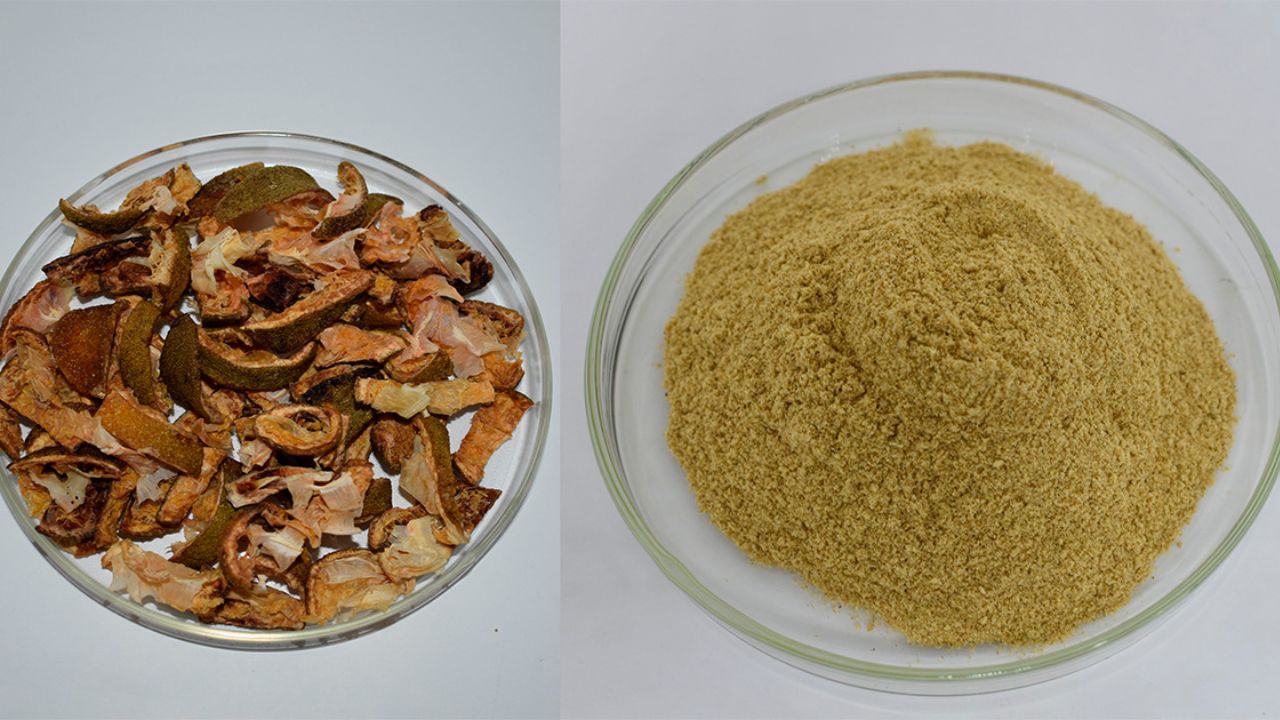
The material used, called OBP (Orange By-product Powder), was obtained from a local trade and underwent processes of hygiene, drying, and grinding. The particles were standardized and stored under refrigeration for analysis.
According to Bezerra, “discarded by-products from industrial sectors such as orange juice represent valuable resources that are often underutilized, with potential for use in the production of new sustainable materials.”
Biofilms Reinforced With Orange Juice By-Product
The OBP was incorporated into sodium alginate films, a natural biopolymer, resulting in thicker, more resistant, and hydrophobic biofilms. The addition of the powder reduced light transmittance and increased the structural stability of the films.
“The microscopy of the powder revealed globular and fibrous structures that were also observed in the produced films. Their presence may have contributed to the structuring of the network and improvement of the mechanical properties,” details Bezerra.
Chemical Assessments And The Presence of Pesticides
During the characterization of the OBP, two pesticides above the permitted limit were detected. This paves the way for future research focused on the safety of using these materials in food packaging and other sensitive applications.
“Generally, waste is not characterized for the presence of pesticides, but we have opened the door for future research and applications to ensure safe material for various purposes,” emphasizes the researcher.
The replacement of conventional plastics with bioplastics like those developed in the research represents a promising alternative. However, there are still technical and economic barriers.
Professor Fernanda Vanin, the project’s advisor, explains: “The industry is already structured to operate with conventional materials, requiring a new industry with the mindset and infrastructure to adopt more ecological practices.”
Despite advancements, the hydrophilicity—the tendency to absorb water—of the biofilms still limits their application in moist products. Strategies such as using natural waxes, organic acids, or hydrophobic plasticizers are being studied to overcome this challenge.
“The use of natural waxes, organic acids, or hydrophobic plasticizers are some of the strategies considered,” says Vanin.
The Role of Brazil And The Orange Juice Industry
Brazil is the world leader in orange juice production and export. Even with a decline in production in 2024, the country recorded a revenue of US$ 1.87 billion, according to CitrusBR.
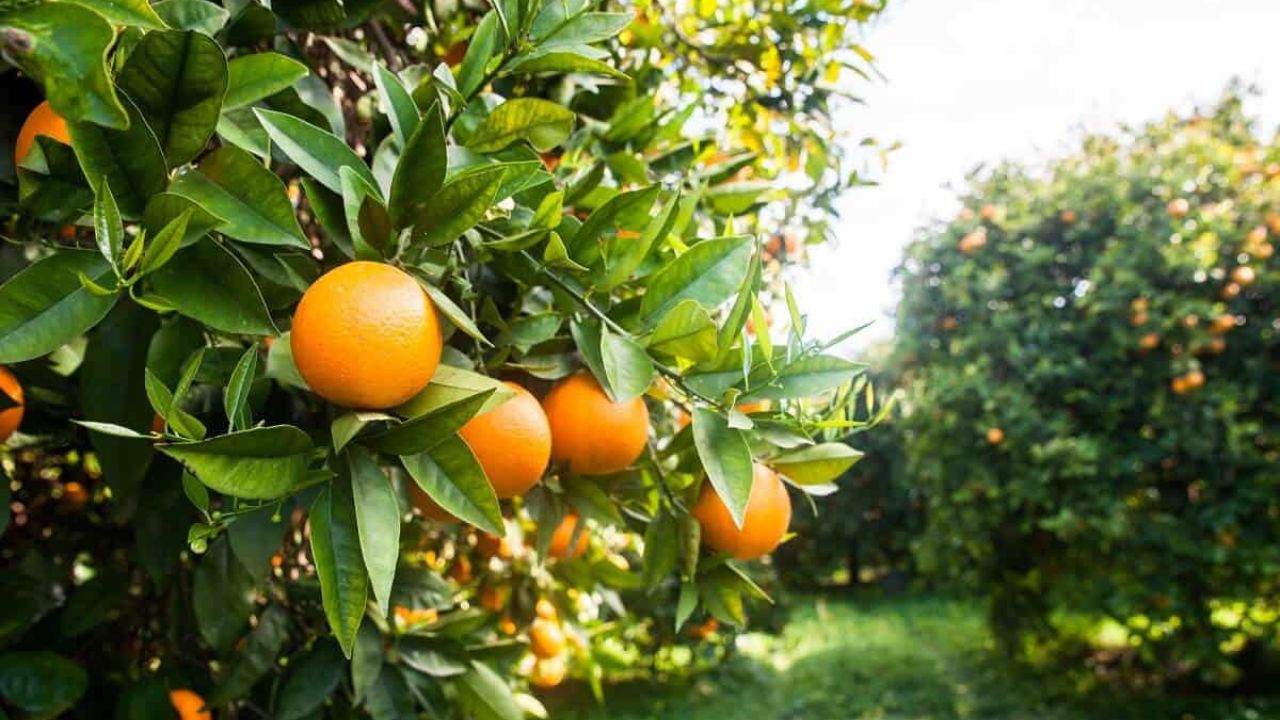
This scenario reinforces the potential for reusing orange by-products, which are currently mainly used as animal feed or fertilizer, but are still not fully explored.
Sustainable Packaging And Circular Economy
Bezerra’s project shows that it is possible to turn waste into ecological solutions.
The biofilms created have the potential for use in biodegradable packaging, contributing to the reduction of plastic pollution and the advancement of the circular economy.
“We are talking about juice waste that can be wasted even though it is a potential material,” concludes the researcher.