






 Portuguese
  Spanish
  3 min of reading
  0 comments


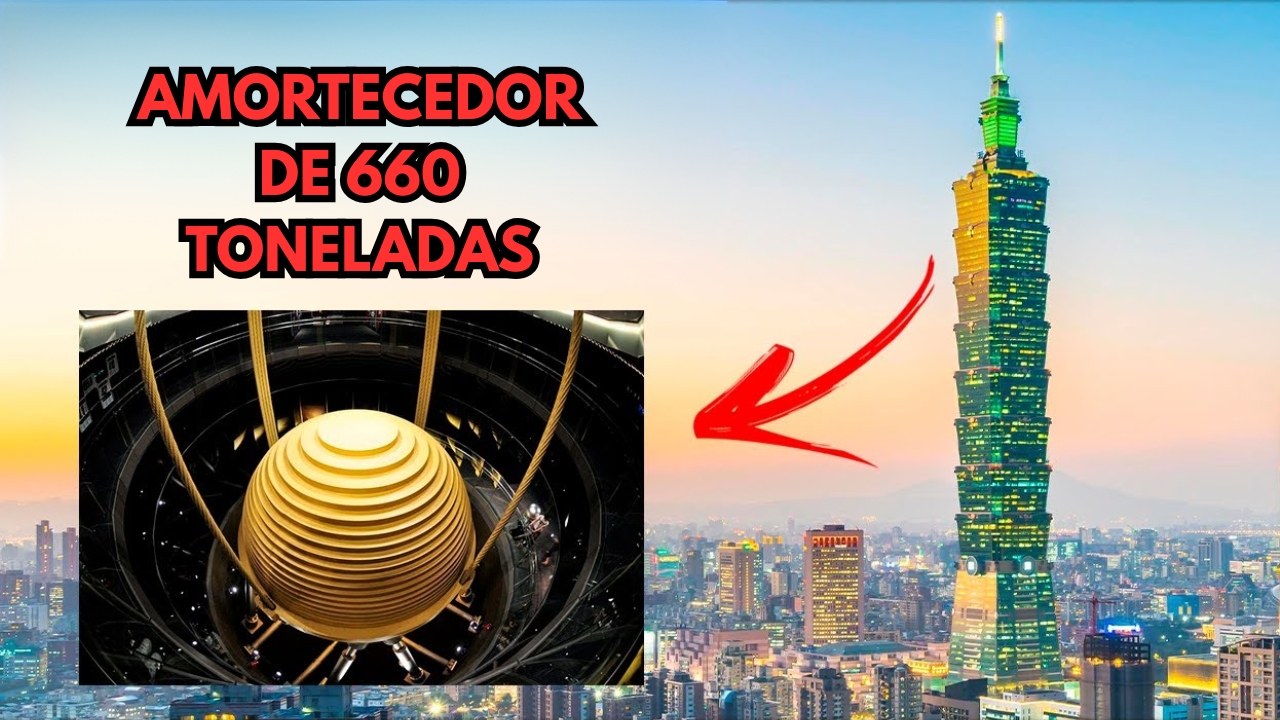
The 101-Floor Tower In Taipei Became Famous For Showing The Public The Technology Used To Reduce Sway In Extreme Events
Taipei 101 is a 101-floor skyscraper located in Taipei, Taiwan, and was long remembered as a landmark in the race for ever-taller buildings. It is also referred to by its old name, Taipei World Financial Center, associated with the original design.
Therefore, when it comes to impressive construction, Taipei 101 often serves as an example of how height does not just depend on “going up,” but on controlling movement and ensuring stability.
508 Meters And The Logic Of A Building That Needs To “Move”
The height of Taipei 101 is described as 508 meters, a measurement that includes the top of the building. This number places the tower among the tallest in the world and is used as a reference in international comparisons.
-
Largest bridge in São Paulo reaches 75% completion and is expected to strengthen strategic connection in the interior of São Paulo.

-
Without her own home and pressured by rent, a 25-year-old bought a small 15-meter boat, gradually renovated the interior by herself, transformed the interior with paint, new flooring, a larger bathroom, and started living on the canals, paying much less per month.

-
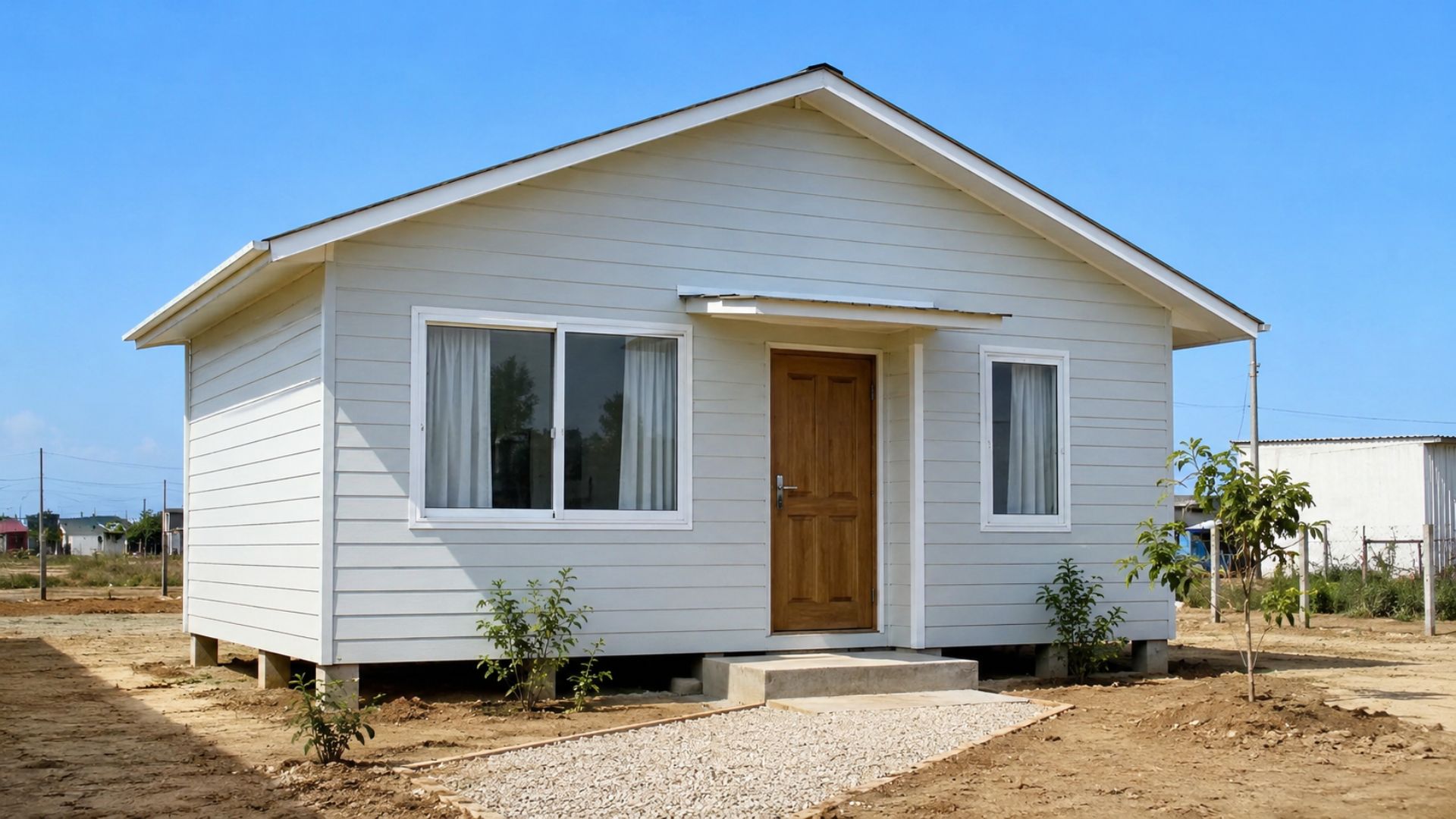
Tired of seeing families sleeping on the street, São Paulo delivered 18 m² furnished microhouses and took 888 people off the streets: Vila Reencontro became the model social housing for the homeless population.
-
The hydroelectric plants on the Madeira River, like Jirau, came for the energy, but now the drought wave has reduced artisanal fishing by 39% and emptied the tables of the riverside communities in the Amazon.


At great heights, the challenge is not just bearing weight. Wind can cause oscillations that make the building uncomfortable for those inside and increase demands on structural components.
This is where an idea that surprises many people comes in. Instead of “fighting” against all motion, the building was designed to accept part of the displacement and use systems that reduce this effect, keeping the internal experience more stable.

The 660-Ton Damper That Became A Tourist Attraction
The most well-known element of Taipei 101 is the mass damper, described as a 660-metric-ton steel pendulum installed on high floors. The piece gained fame because it can be seen by visitors, turning an engineering solution into part of the tour.
The logic of the system is to compensate for the building’s sway. When the tower tends to move in one direction, the damper shifts in a controlled manner to reduce the perceived oscillation, helping to stabilize the structure.
The public description of the building itself states that this type of solution can reduce a significant portion of the movement, a number that often appears in reports for being easily understandable.
A Real Episode That Showed The System Working
Beyond theory, Taipei 101 was associated with an episode that circulated widely. On August 8, 2015, during Typhoon Soudelor, the main damper reportedly shifted about 1 meter, described as the largest movement ever recorded by the system.
This type of record reinforces public interest because it places the technology in a real situation. Instead of an abstract explanation, the story shows the equipment responding to extreme winds.
For news readers, it’s the kind of detail that creates an immediate hook. The question shifts from “what is a damper” to “how does this prevent problems inside such a tall building.”
Sustainability, Operation, And Why The Topic Remains Relevant
Taipei 101 is also associated with environmental certifications, noting LEED at Platinum level for operation and maintenance of existing buildings. This type of information is often cited because supertall towers consume a lot of energy and require management strategies.
Another recurring point is the ownership of the building, attributed to the Taipei Financial Center Corporation. In large enterprises, who manages and operates the building becomes a topic because it influences maintenance, system upgrades, and commercial use.
In the end, Taipei 101 continues to attract attention because it combines a rare package. It stands at 508 meters, has a 660-ton damper that the public can visualize, and brings a narrative of safety and technology that is meaningful to any reader.






-

-

-

5 people reacted to this.